Silla Capital on Foot: Gyeongju’s Royal Heart and Hidden Stories
Available in:EN
694 min
11 stops
walk
Tour Description
Walk through the living center of ancient Silla on this audio tour of Gyeongju’s historic old town, where observatories, palaces, tombs, temples, and hanok lanes reveal the capital’s 1,000-year legacy. From Cheomseongdae and the royal treasures of the Gyeongju National Museum to Wolseong, Daereungwon, and Bunhwangsa, each stop uncovers the kings, queens, artisans, and traditions that shaped the “museum without walls.” Along the way, you’ll cross Woljeonggyo, wander Gyochon and Hwangnidan-gil, and trace the stories of paradise ponds, heavenly horses, and sacred temple grounds.
Stops
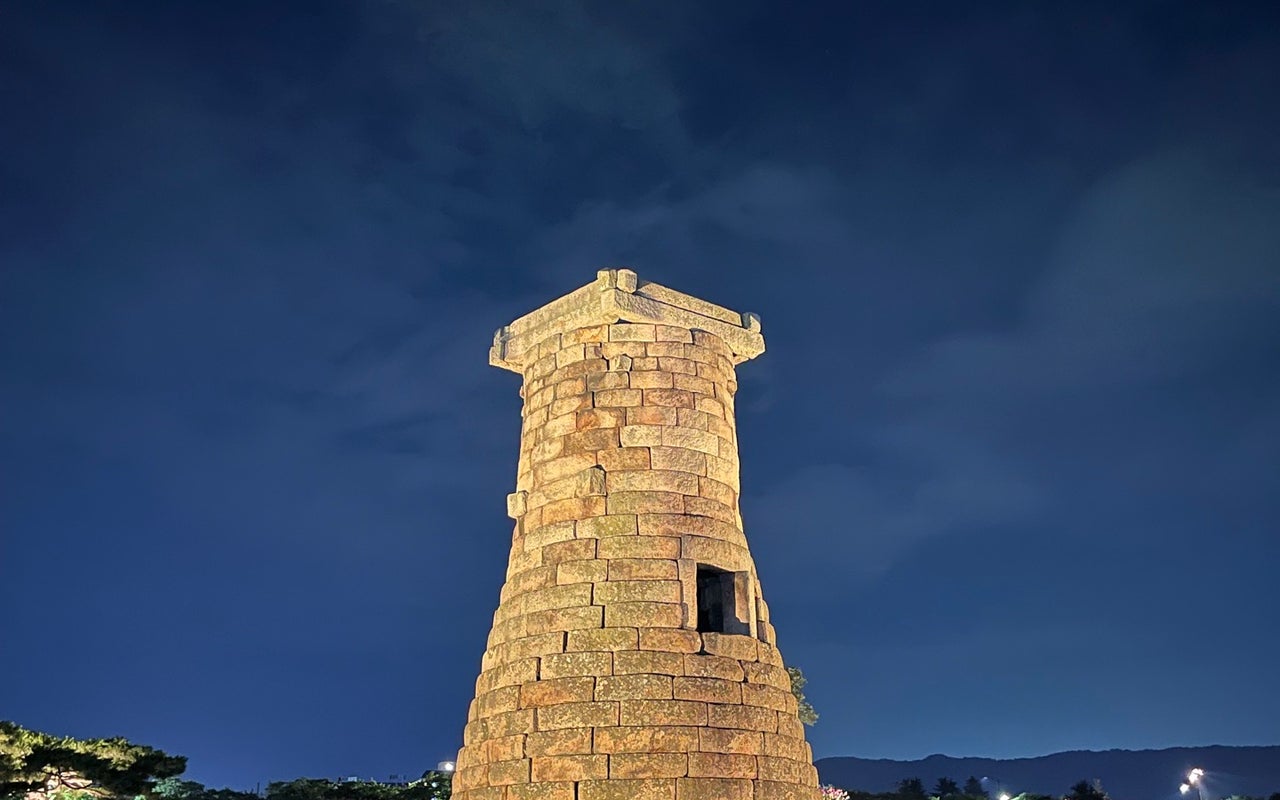
- 1Cheomseongdae (첨성대)첨성로 140-25Cheomseongdae is an ancient astronomical observatory in Gyeongju and one of Korea’s best-known historic monuments. Its distinctive stone cylinder is the detail to notice and photograph.
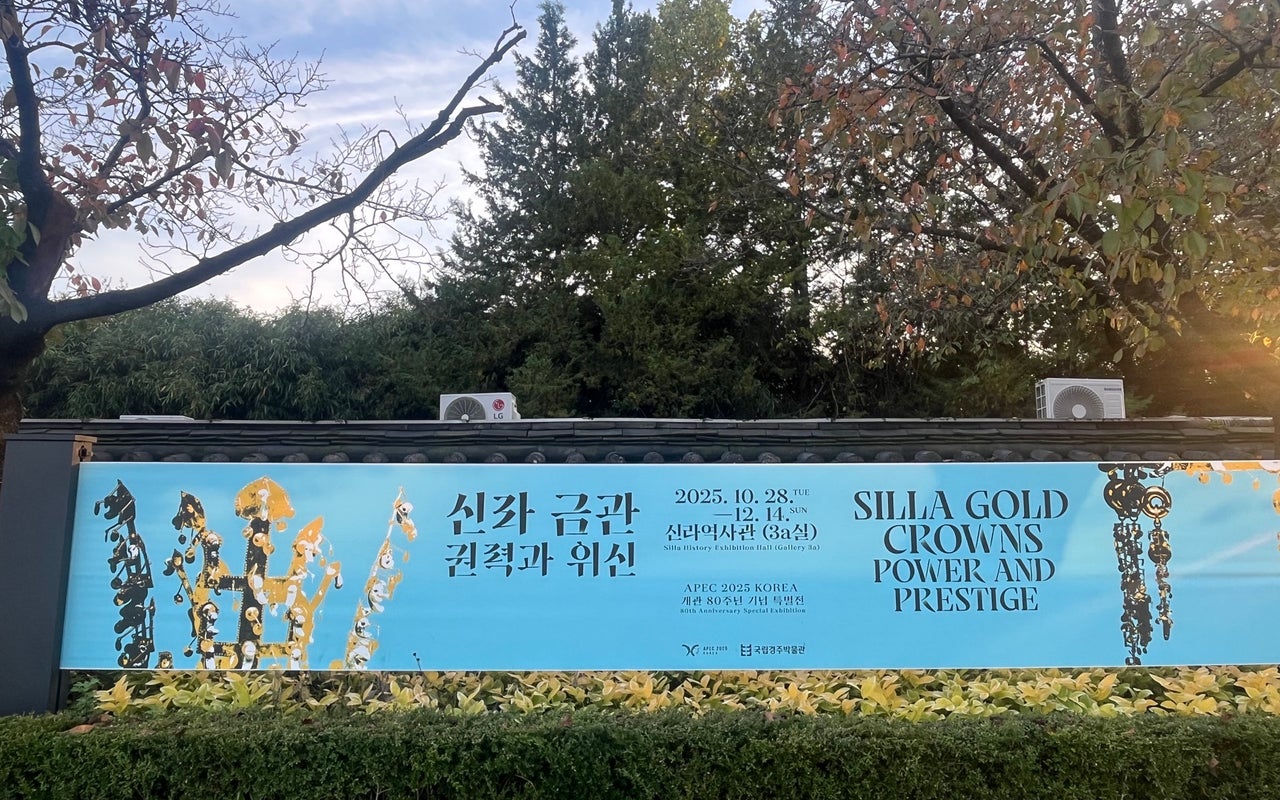
- 2Gyeongju National Museum (국립경주박물관)일정로 186Gyeongju National Museum is a major museum devoted to the history and culture of the ancient Silla kingdom. Its royal artifacts and golden crowns are the highlights.
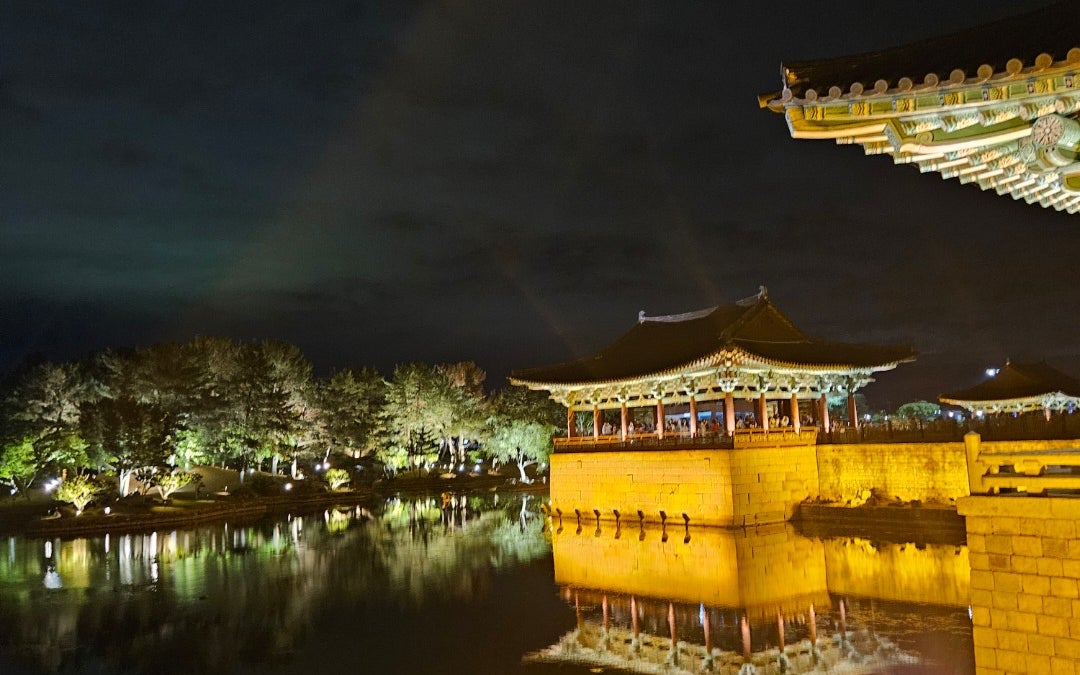
- 3Donggung Palace and Wolji Pond in Gyeongju (경주 동궁과 월지)원화로 102Donggung Palace and Wolji Pond is a historic palace complex in Gyeongju, famous for its elegant pond and landscaped grounds. Visit at night for the reflections and illuminated pavilions.
- 4Wolseong Palace Site (월성)인왕동 387-1Wolseong Palace Site is the remains of a royal palace complex from the Silla kingdom in Gyeongju. The area is worth seeing for its historic grounds and peaceful park setting.
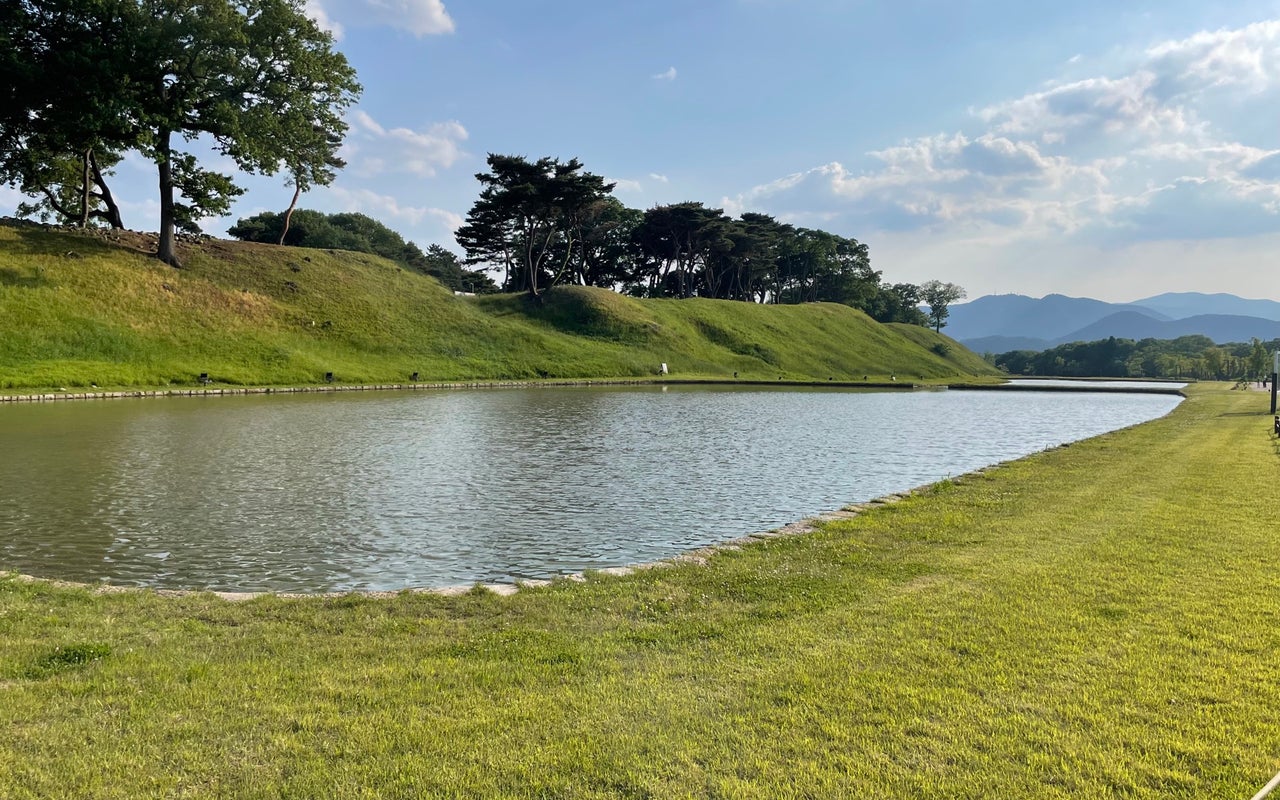
- 5Daeruengwon (대릉원)계림로 9Daereungwon is a burial complex of large Silla-era royal tombs in Gyeongju. The grassy tomb mounds are the main thing to notice here.
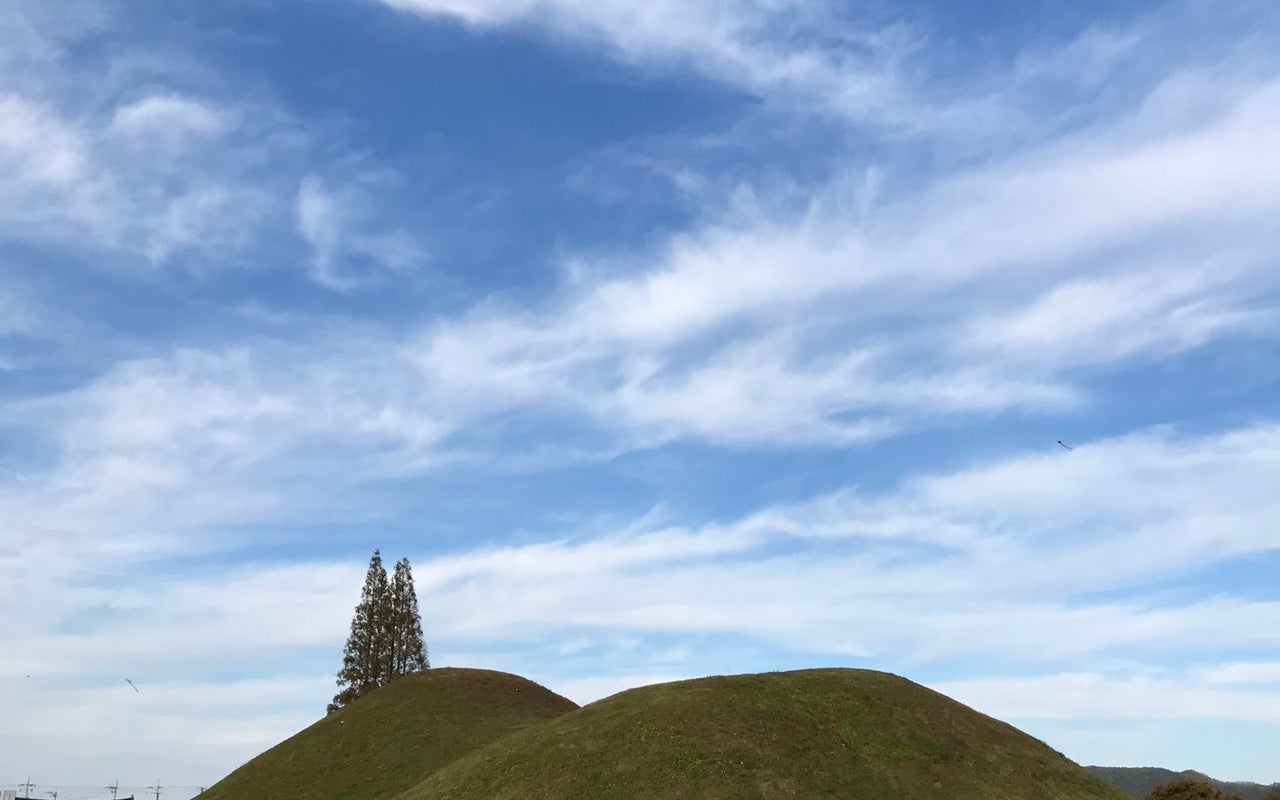
- 6Cheonmachong (천마총)계림로 9Cheonmachong is a famous Silla tomb inside the Daereungwon burial complex in Gyeongju. It is worth visiting to see the excavated royal tomb and its displays.
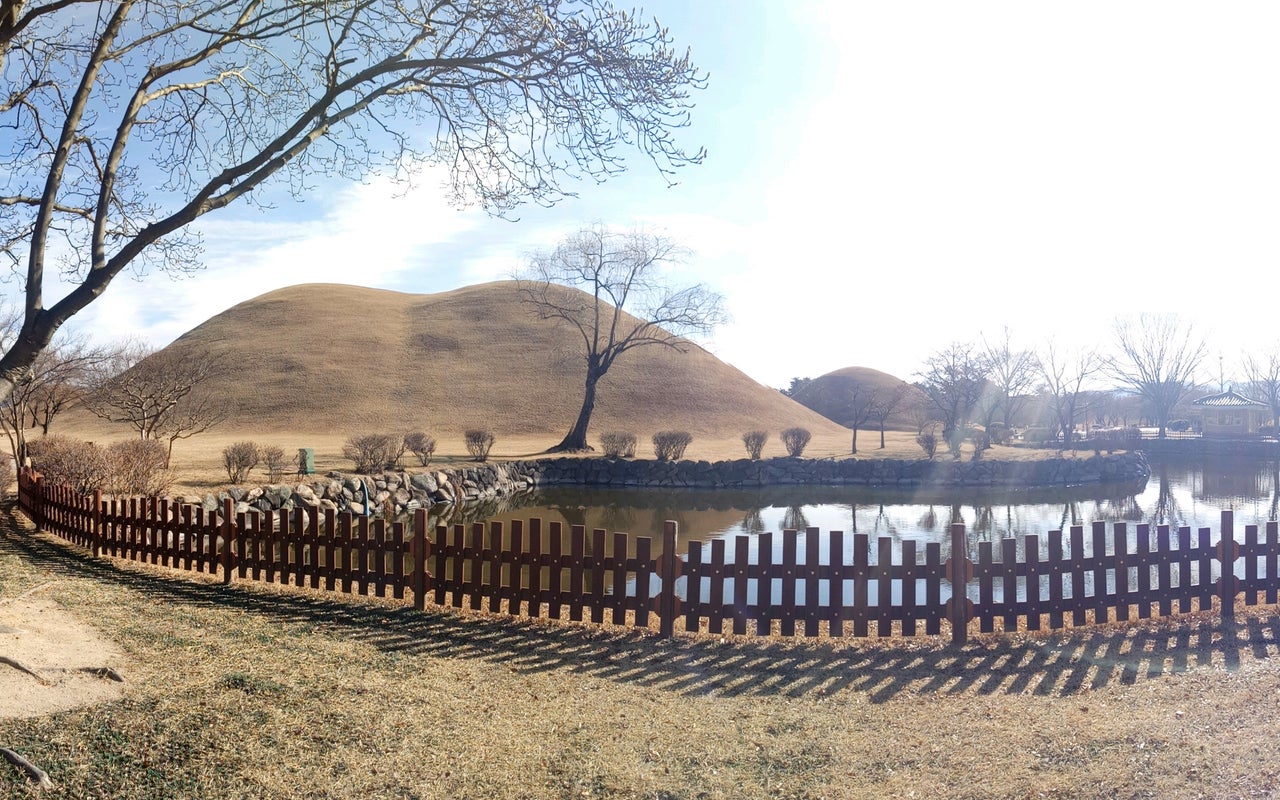
- 7Tomb of King Naemul, Gyeongju (경주 내물왕릉)교동 14The Tomb of King Naemul is a royal burial mound from the Silla period in Gyeongju. Its grassy, dome-shaped hill is the key thing to notice.
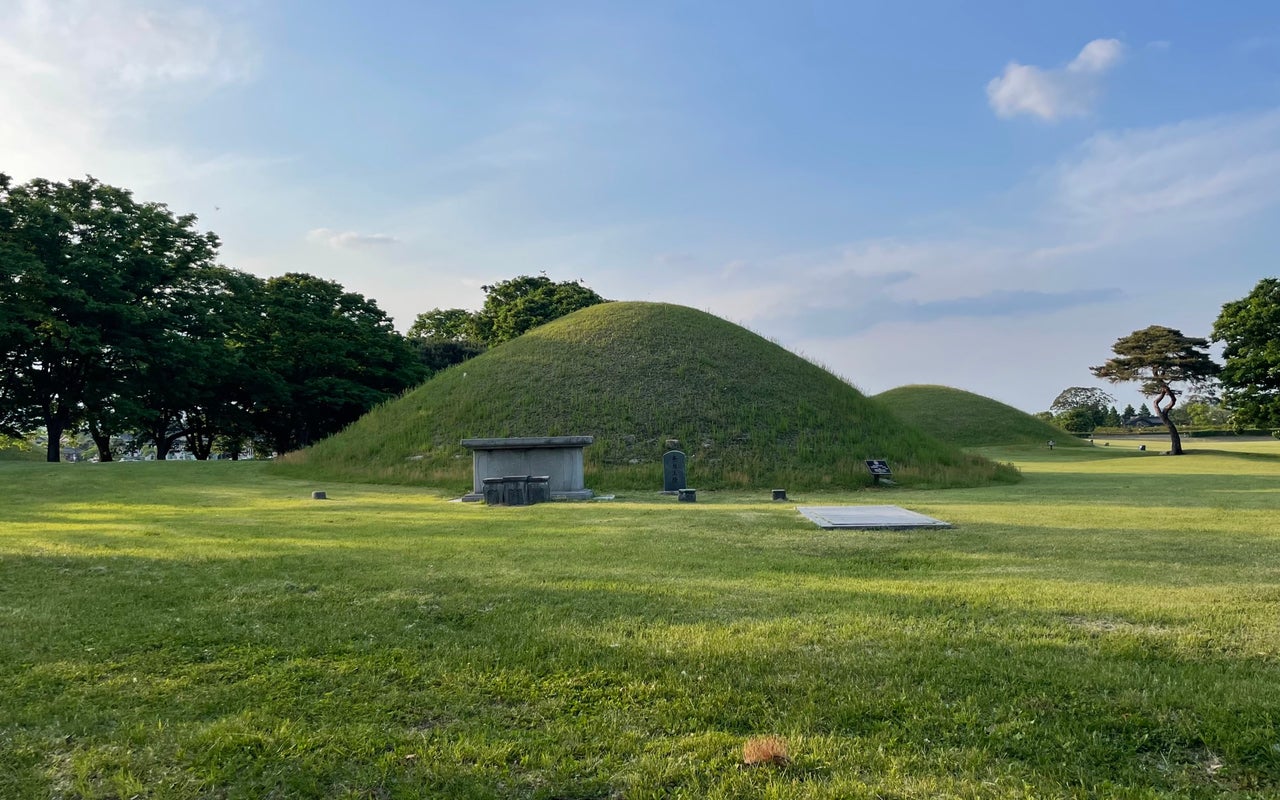
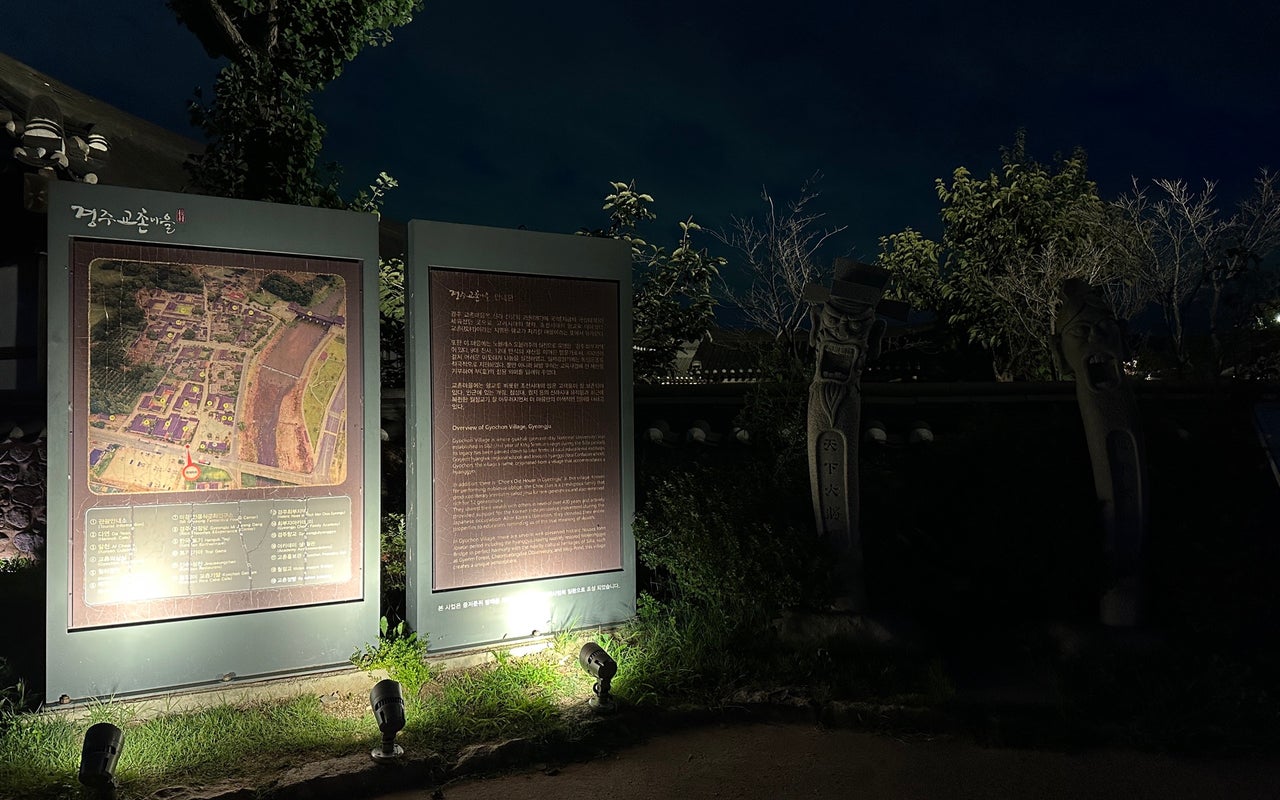
- 8Gyeongju Gyochon Traditional Village (경주 교촌마을)Gyeongju Gyochon Traditional Village is a preserved historic village in Gyeongju. It is worth walking through to see traditional houses and the old neighborhood atmosphere.
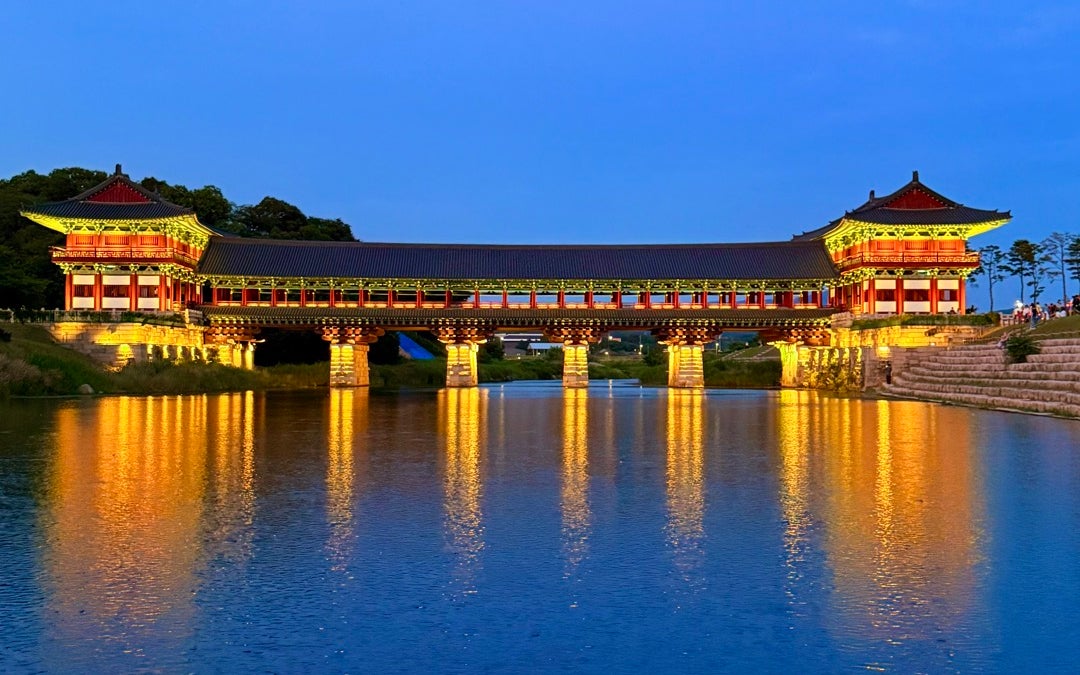
- 9Woljeonggyo Bridge (월정교)월성동 56-3Woljeonggyo Bridge is a reconstructed wooden bridge over the Namcheon River in Gyeongju, inspired by a bridge from the Silla period. It is especially striking when lit up at night.
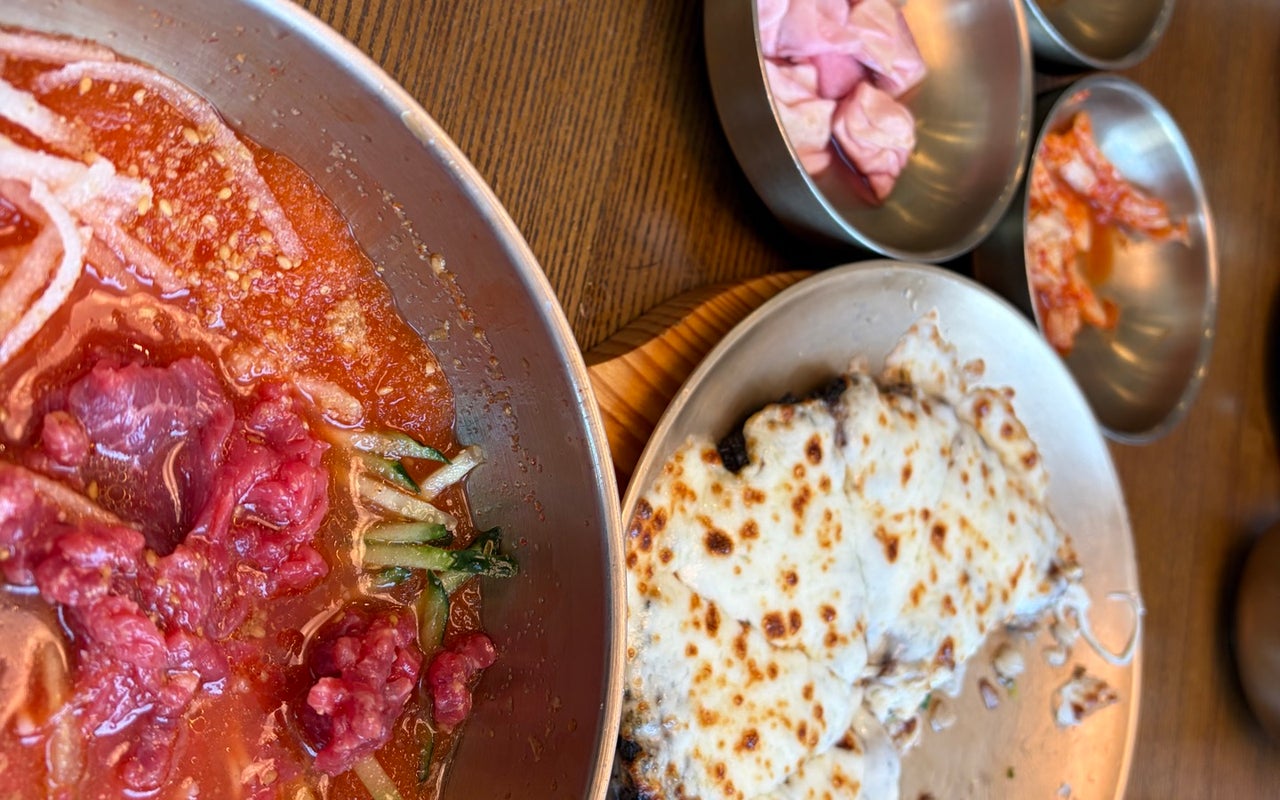
- 10Hwangnidan-gil (함양집 황리단길)Hwangnidan-gil is a lively street district in Gyeongju, known for cafés, shops, and traditional-style buildings. Wander along the street to see how contemporary businesses share the neighborhood with hanok-inspired architecture.
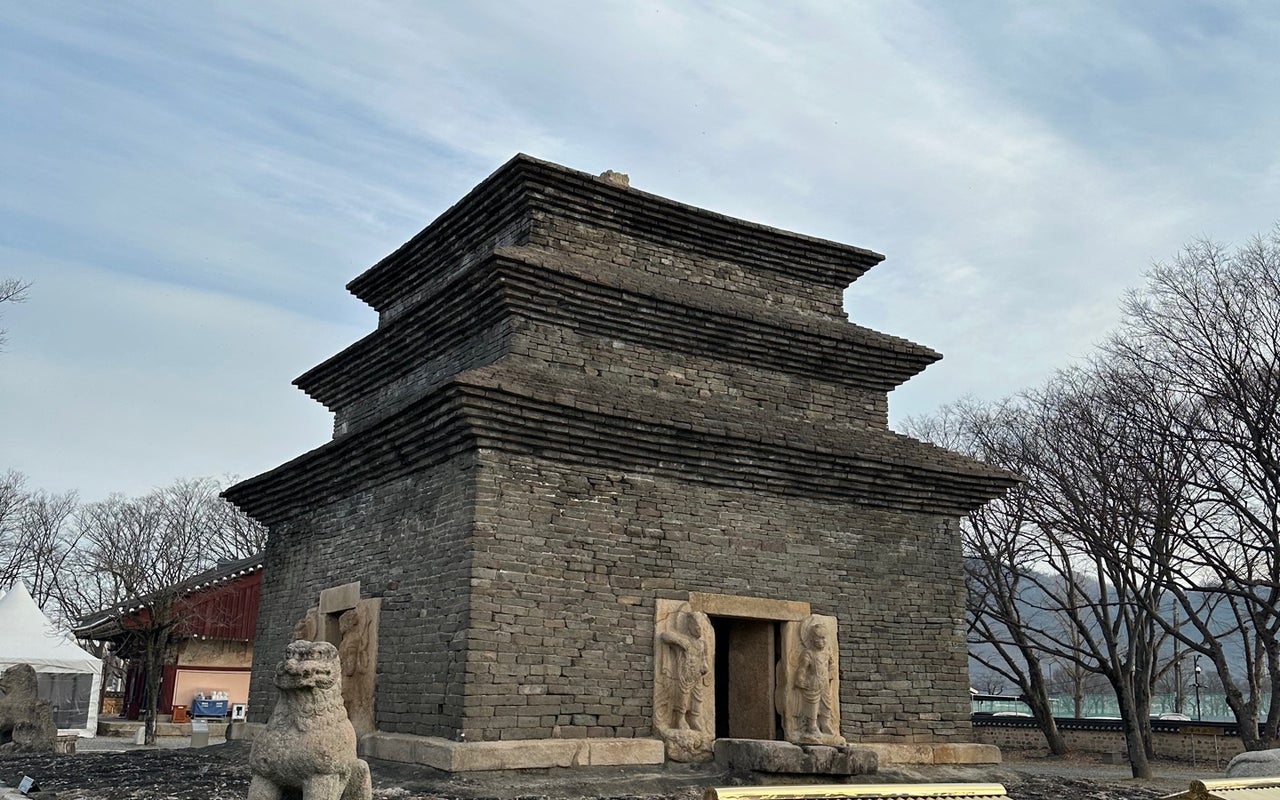
- 11Bunhwangsa (분황사)분황로 94-11Bunhwangsa is a historic Buddhist temple in Gyeongju, best known for its stone pagoda from the Unified Silla period. Look for the dark brick pagoda, one of Korea’s oldest surviving stone pagodas.