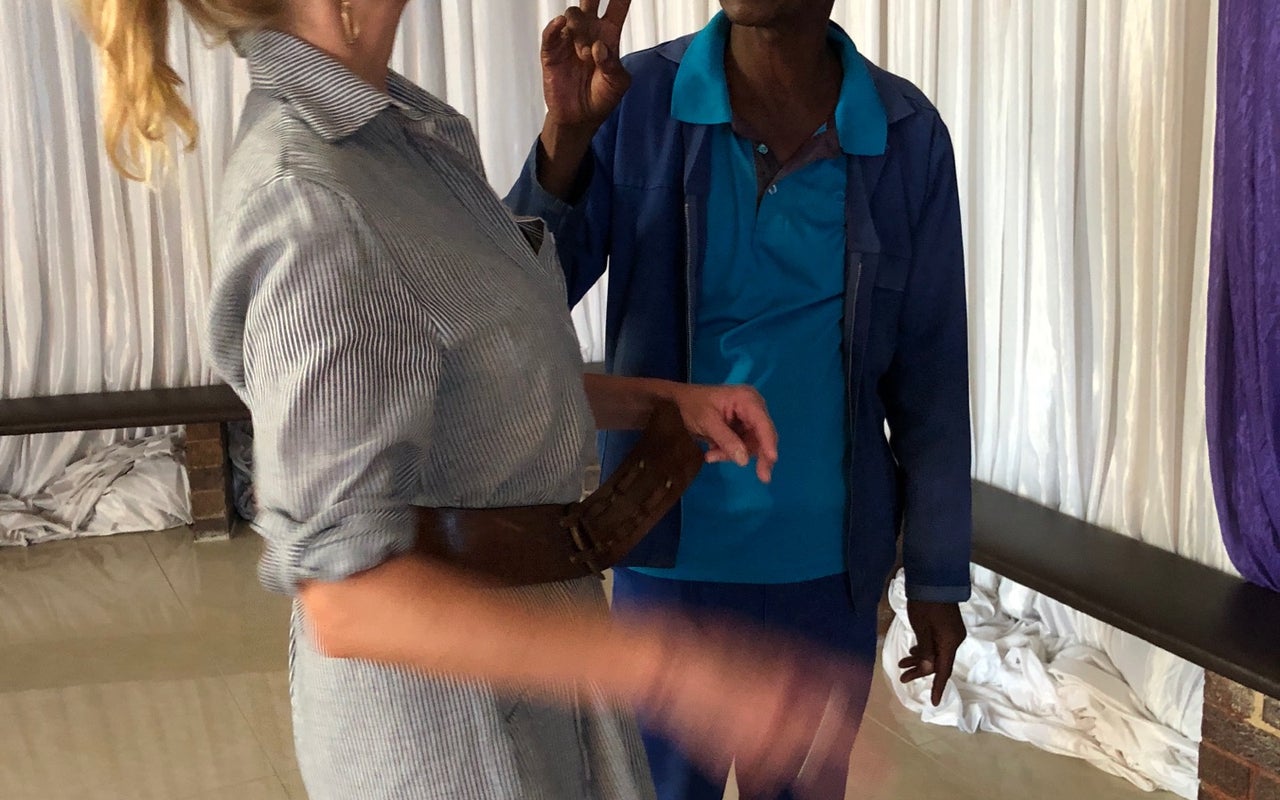
Johannesburg Resistance Walk: Defiance, Women’s March, and Soweto Uprising
Available in:EN
1015 min
13 stops
walk
Tour Description
This 2-day, full-day walking tour traces Johannesburg’s hardest-fought civic ground, from Constitution Hill and the old prison complex to Chancellor House, Museum Africa, and the streets of Soweto where student revolt became national rupture. Follow the exact sites of detention, organizing, speeches, marches, and memorialization tied to the Defiance Campaign, the 1956 Women’s March, and the 1976 uprising, with named leaders, turning points, and the concrete ways these struggles reshaped South African law, public space, and political life after apartheid. Expect a serious, unsentimental experience focused on the city’s living scars, murals, and monuments—not a celebratory victory lap.
Stops
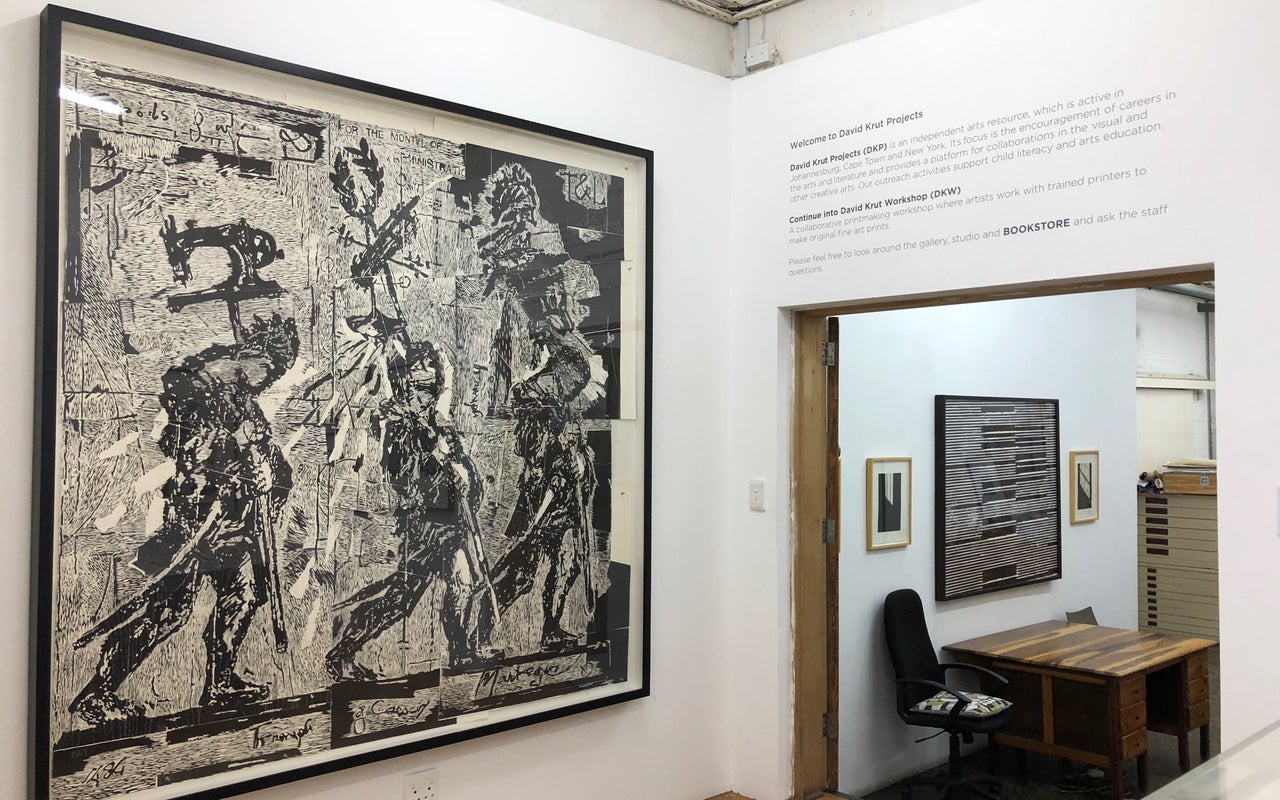
- 1David Krut Projects, Arts On Main, City, Johannesburg, Gauteng, South Africa/ ZAMain StrDavid Krut Projects is a contemporary art gallery at Johannesburg’s Arts on Main. See its exhibitions of South African and international artists, including work connected to the David Krut print studio.
- 2Women's GaolThe Women's Gaol is a historic prison site in Johannesburg, now part of the city’s heritage landscape. It is worth reflecting on its role in the history of political imprisonment.
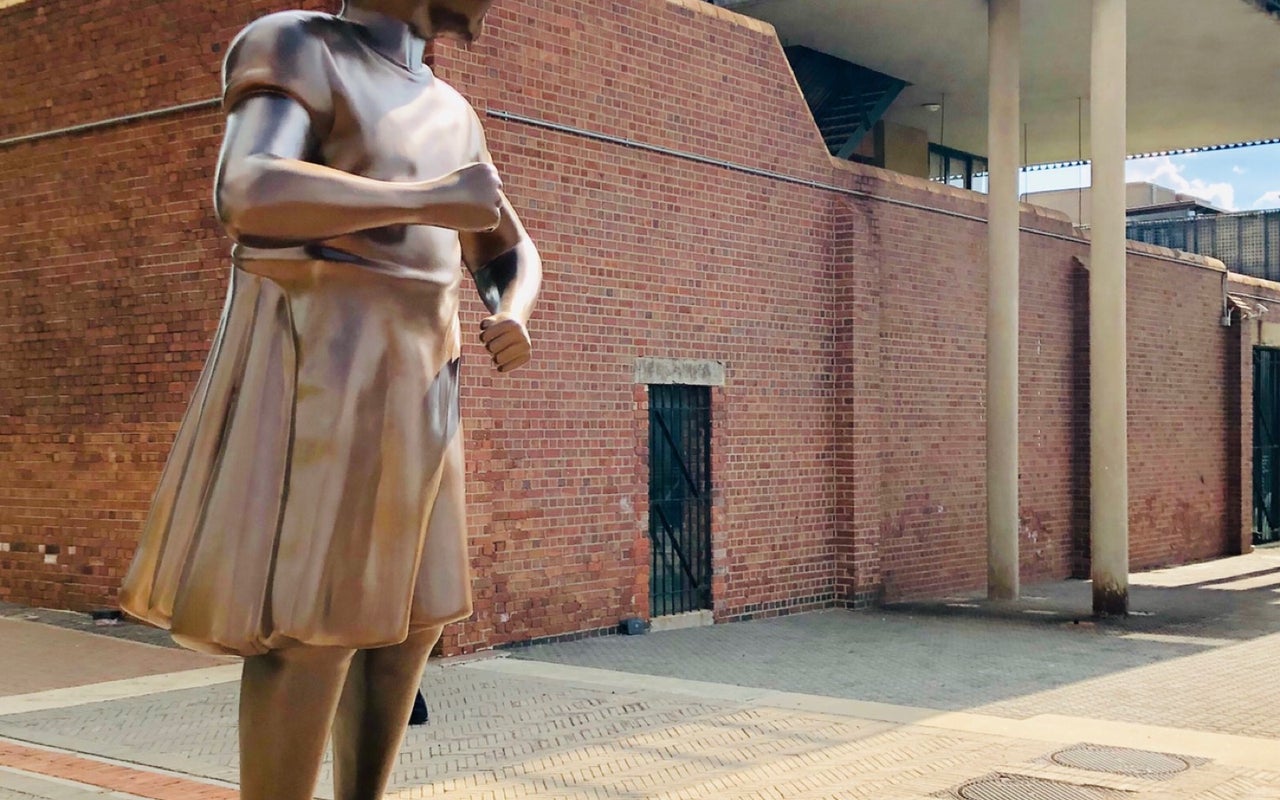
- 3Women's Jail @ Constitutional CourtKotze StreetThe Women's Jail at Constitutional Court is a historic site in Johannesburg connected to South Africa's struggle history. Notice its place within the Constitutional Court precinct.
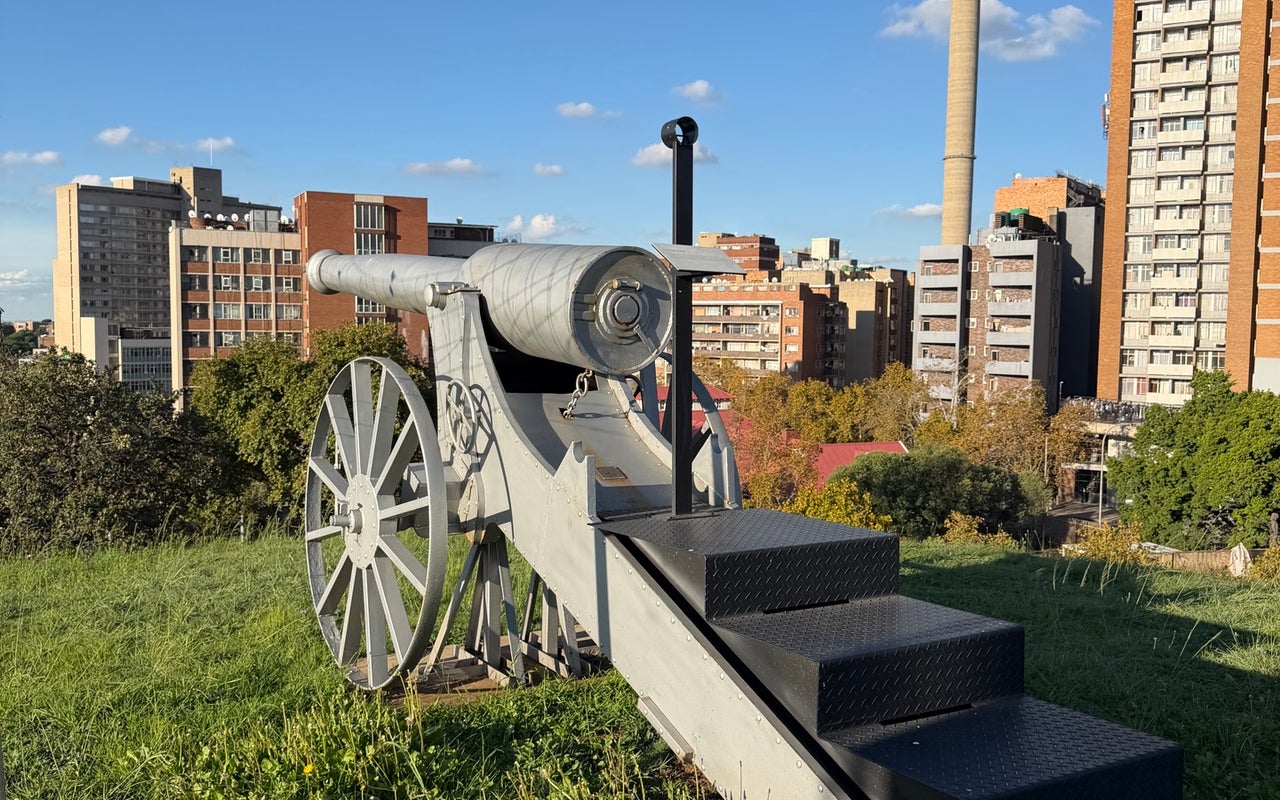
- 4Constitution Hill11 Kotze Street,BraamfonteinConstitution Hill is a historic precinct and museum complex on the site of former prisons in Johannesburg. Visit the Constitutional Court and learn about South Africa's journey to democracy.
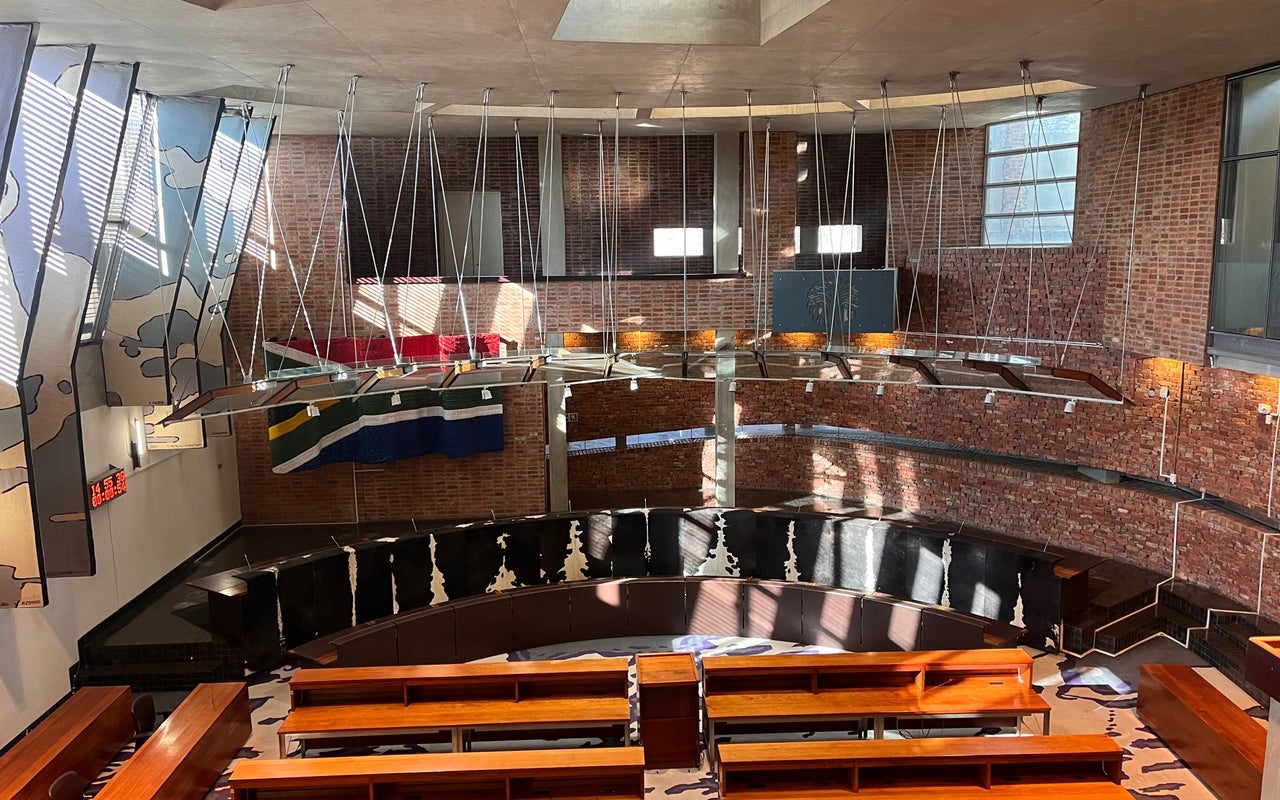
- 5Constitutional Court, Johannesburg, South Africa, ZAQueens RoadThe Constitutional Court in Johannesburg is South Africa's highest court, known for its striking architecture and public art. It is worth seeing the building itself.
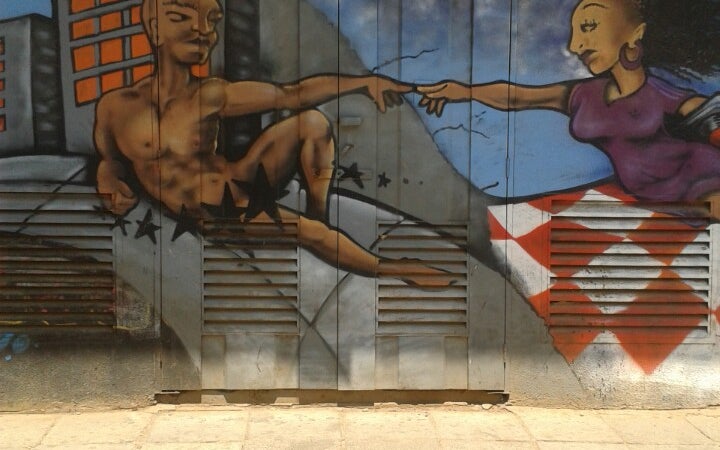
- 6Museum Africa121 Bree St. NewtownMuseum Africa is a history museum in Newtown, Johannesburg. The key thing to notice is its focus on the city's past and changing urban life.
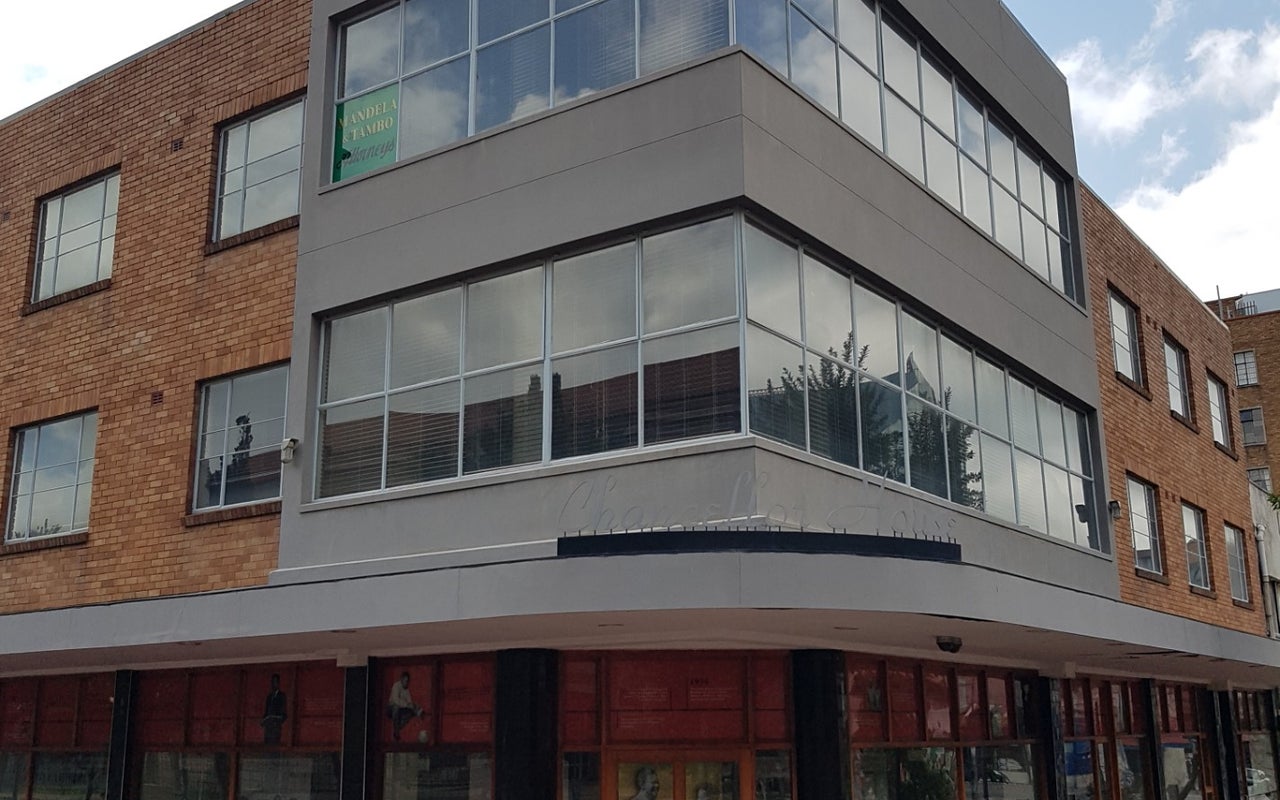
- 7Chancellor HouseChancellor House is a historic building in Johannesburg associated with Nelson Mandela and Oliver Tambo's law practice. It is worth noticing as part of the city's anti-apartheid history.
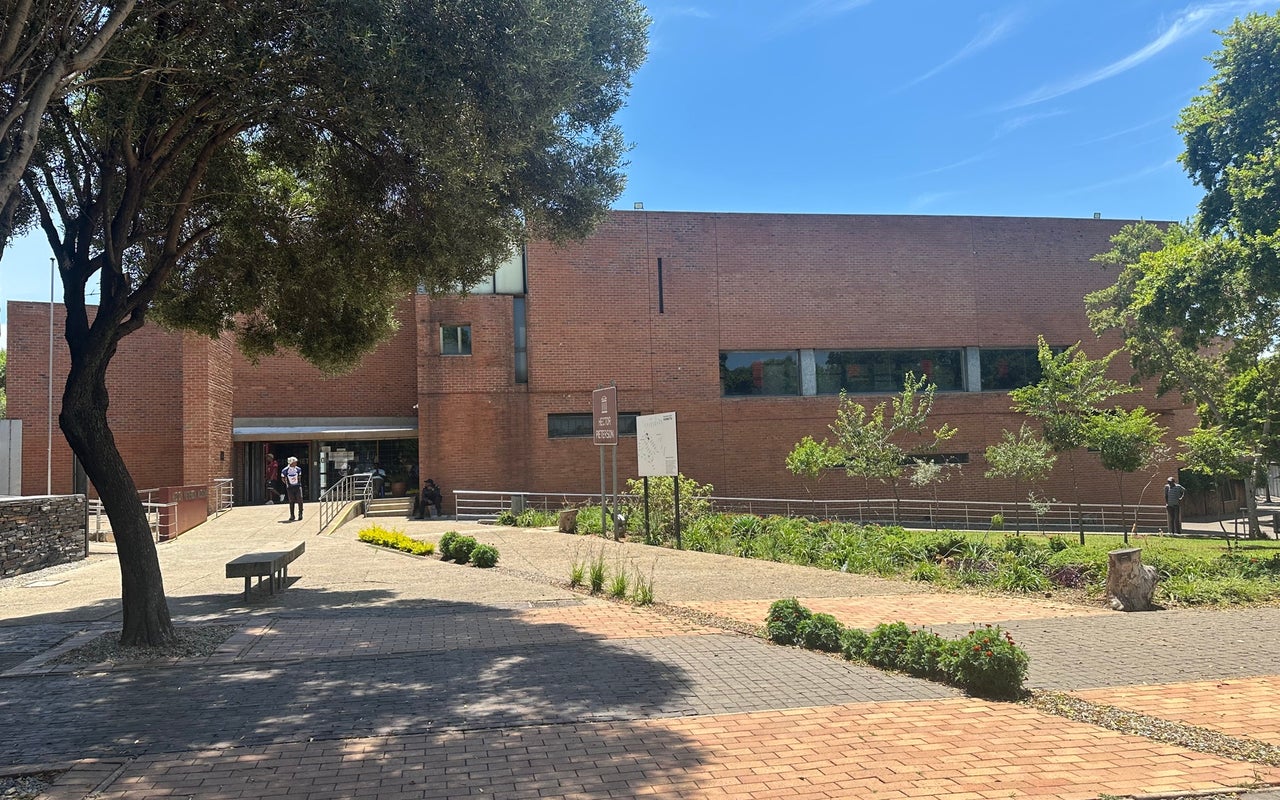
- 8Hector Pieterson Museum8288 Maseko Street, Orlando WestThe Hector Pieterson Museum commemorates the 1976 Soweto uprising and the boy whose death became an international symbol of the protest. The powerful exhibits trace the events and their impact on South Africa.
- 9Mandela House8115 Orlando WestMandela House is a museum in Soweto that was once Nelson Mandela's home. The main thing to do there is see the rooms and personal exhibits.
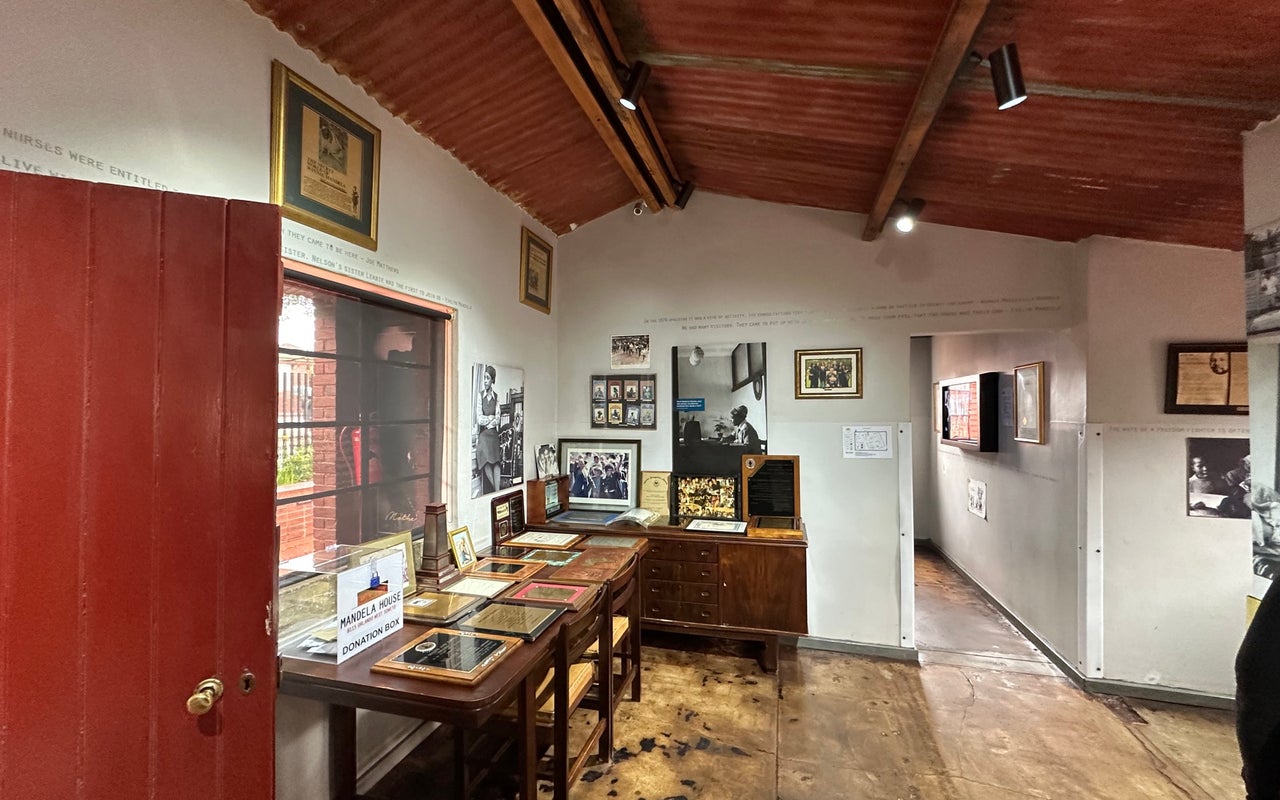
- 10Vilakazi StreetVilakazi Street is a famous street in Soweto, Johannesburg. It is worth walking for its strong connection to Nelson Mandela and Desmond Tutu.
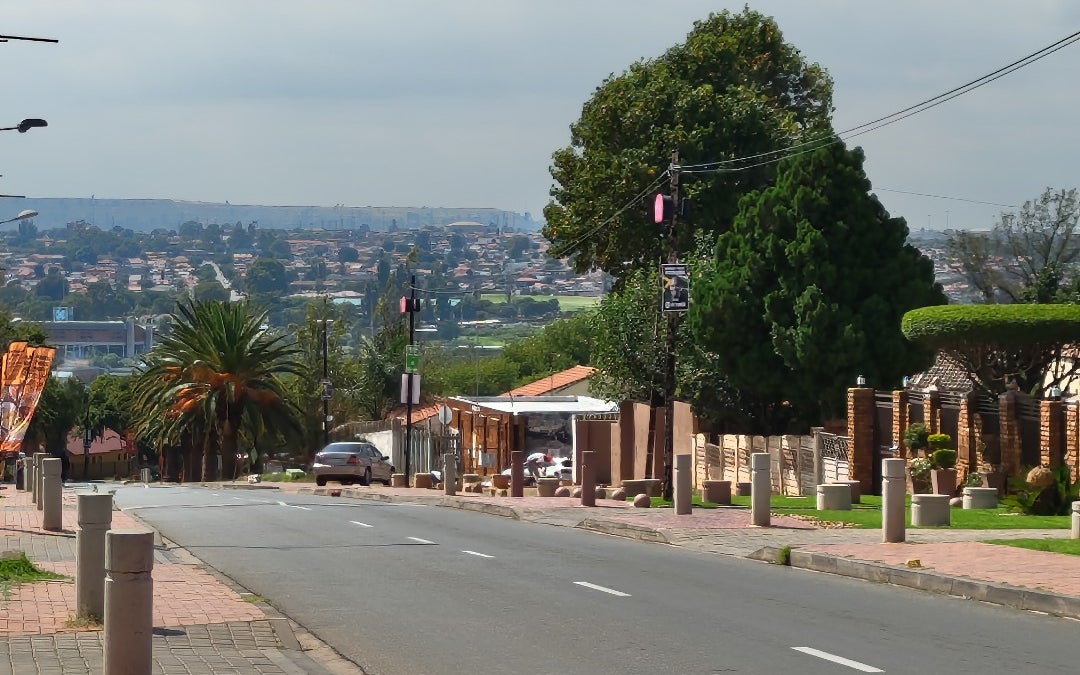
- 11Morris Isaacson High School1349 Mphuti St, Central West JabavuMorris Isaacson High School is a school in Soweto that played a role in the 1976 student uprisings. The important thing to notice is its place in South African history.
- 12June 16th Memorial AcreMputhi StreetJune 16th Memorial Acre is a memorial in Soweto honoring the 1976 student uprising. It is worth pausing here to remember the events of June 16.

- 13Regina Mundi Catholic Church1 149 Mkhize Street, SowetoRegina Mundi Catholic Church is a major Catholic church in Soweto. It is especially known for its role as a gathering place during the struggle against apartheid.