Brussels Beneath the Streets
Available in:EN
357 min
5 stops
walk
Tour Description
Descend into the hidden machinery of Brussels on a walking journey through premetro echoes, buried engineering, and the city’s wartime underlayers. From the underground history at Bruxella 1238 and the tunnels around Lemonnier to the sewer vaults, the shadowed passages near Porte de Hal, and the deep past revealed at Coudenberg Palace, this tour traces how Brussels was built above—and through—its subterranean world.
Stops
- 1Bruxella 1238Beursstraat / Rue de la BourseBruxella 1238 is an archaeological site beneath Brussels’ Bourse, displaying remains of a 13th-century Franciscan monastery. Look for the preserved foundations and medieval artifacts that reveal the city’s early history.
- 2Lemonnier
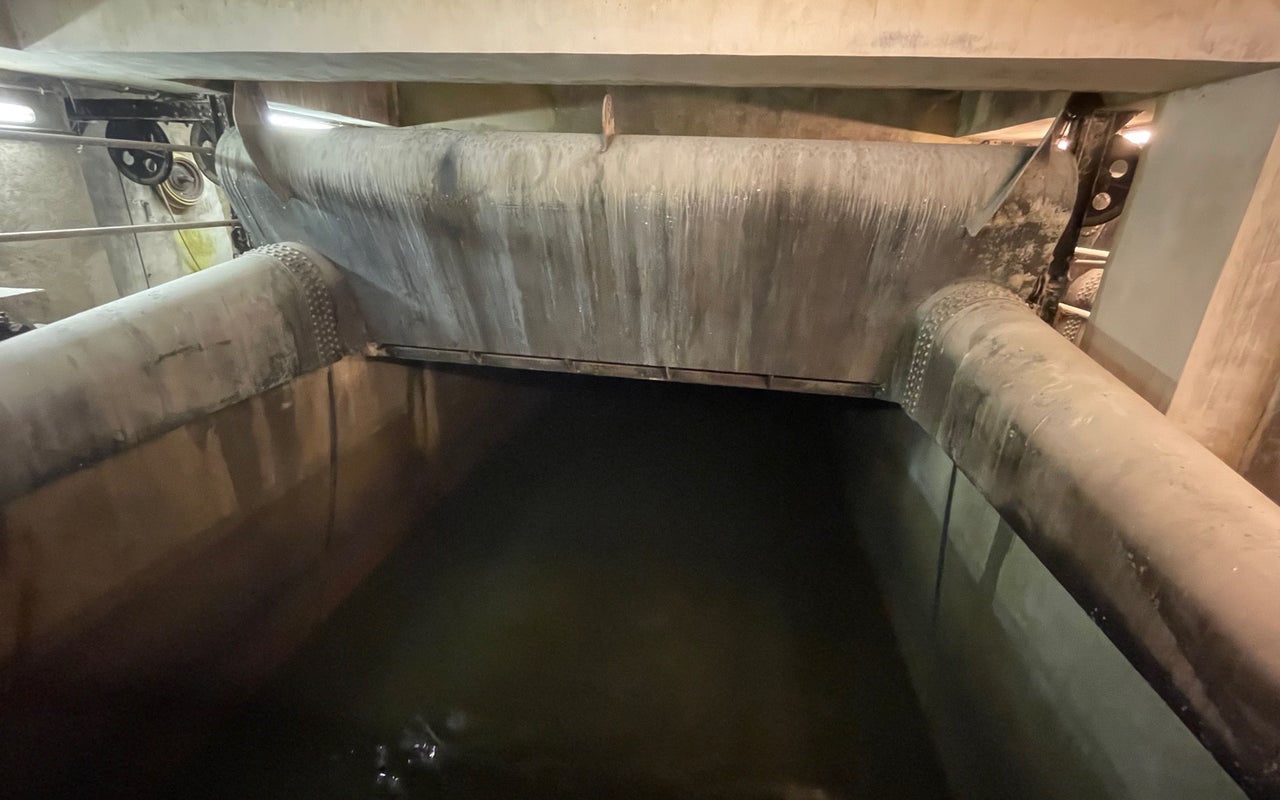
- 3Sewer Museum (Riolenmuseum)Porte d'Anderlecht - AnderlechtsepoortBrussels’ Sewer Museum explores the city’s underground sewer network and the Senne River. Walk through a real sewer section to see how this hidden infrastructure works.
- 4Porte de Hal / Hallepoort (Hallepoort)Zuidlaan 150 Boulevard du MidiHalle Gate is the only surviving medieval city gate in Brussels, now home to a museum about the city’s fortifications. Notice its imposing towers and walk the ramparts for views over the surrounding area.
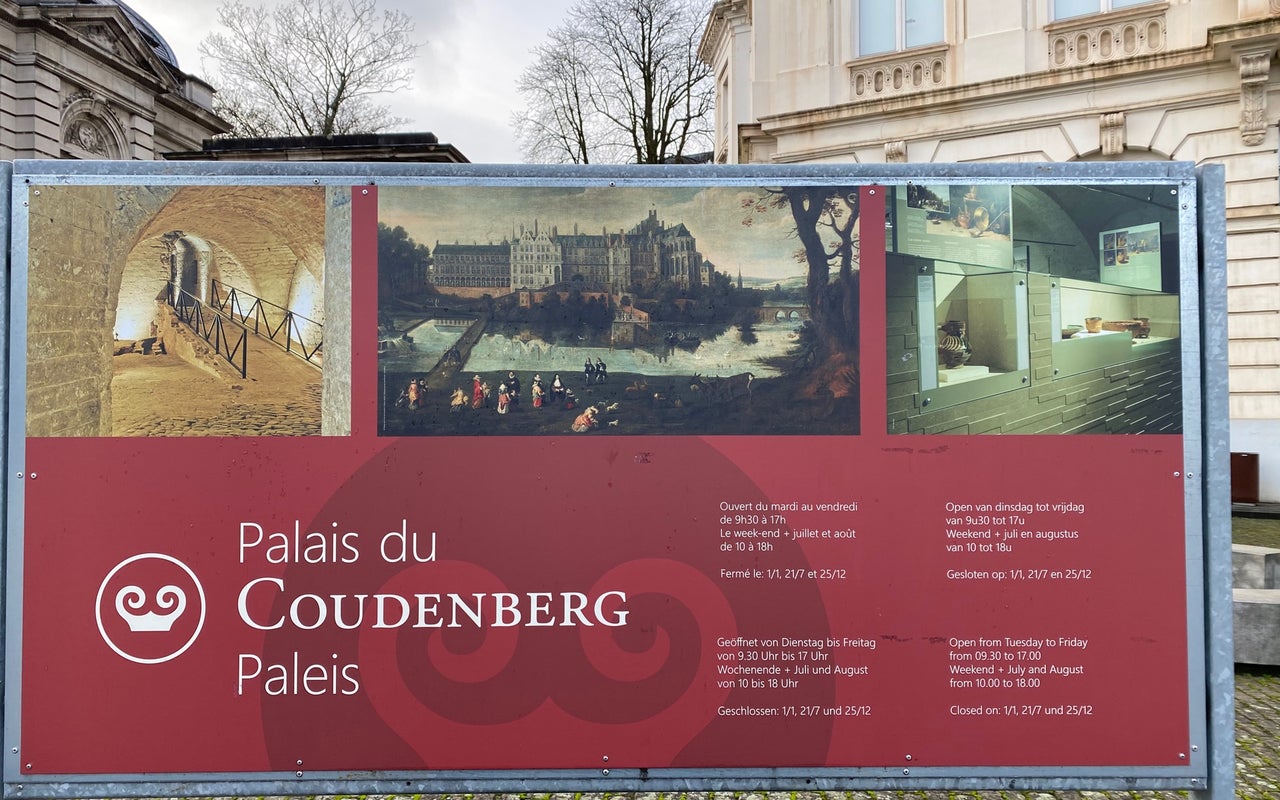
- 5Coudenberg Palace (Coudenbergpaleis)Paleizenplein 7 Place des PalaisCoudenberg Palace was a grand residence of Brussels’ rulers, destroyed by fire in 1731. Explore the underground remains, including palace chambers and streets preserved beneath today’s Place Royale.