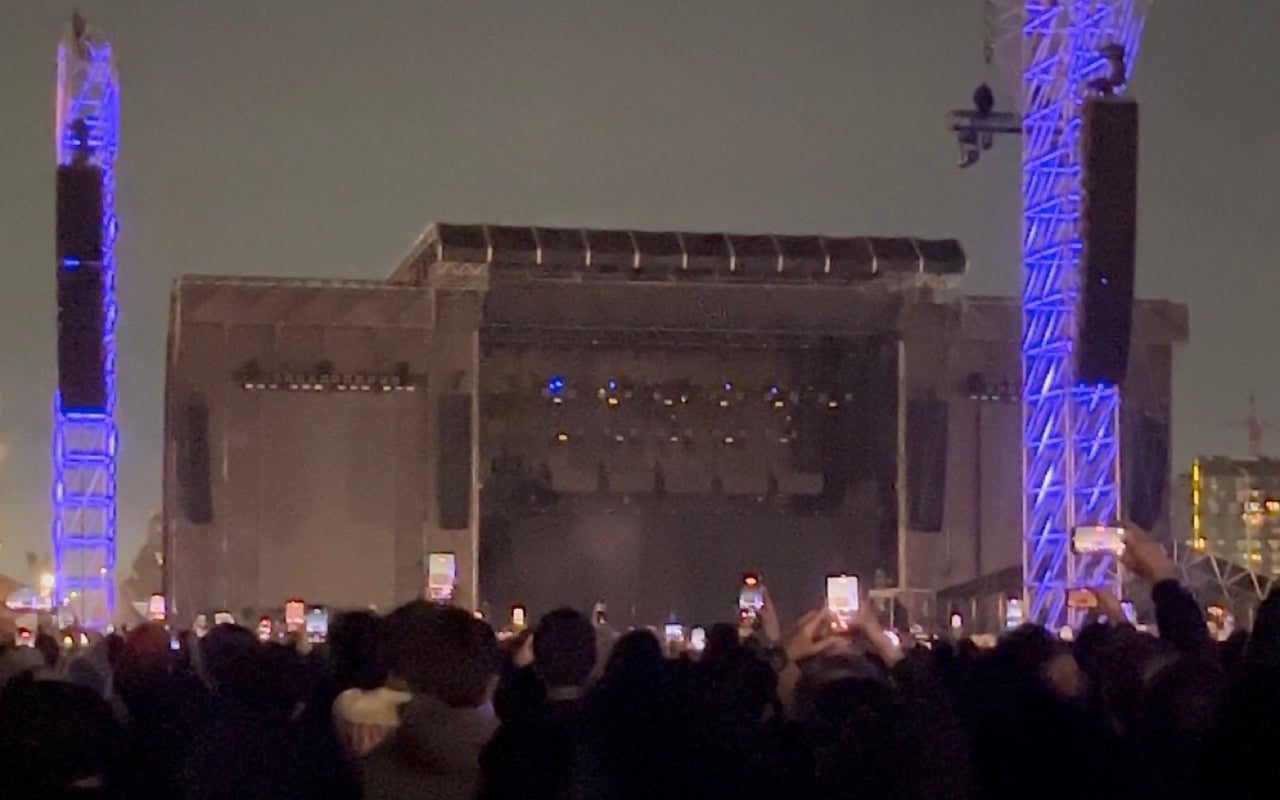
Shadows, Streets, and Memory: Santiago’s Civil Rights Walk
Available in:EN
756 min
12 stops
walk
Tour Description
Walk the streets where Santiago’s democratic life was broken, defended, and remade, from La Moneda’s burned facade to the memory battlegrounds of Londres 38, Plaza Baquedano, and the Museo de la Memoria y los Derechos Humanos. Across Centro, Quinta Normal, and the sites of detention, protest, and mourning, this full-day journey follows march routes, the 1988 plebiscite atmosphere, and the public spaces where Chile still argues over what justice, recovery, and remembrance must mean.
Stops
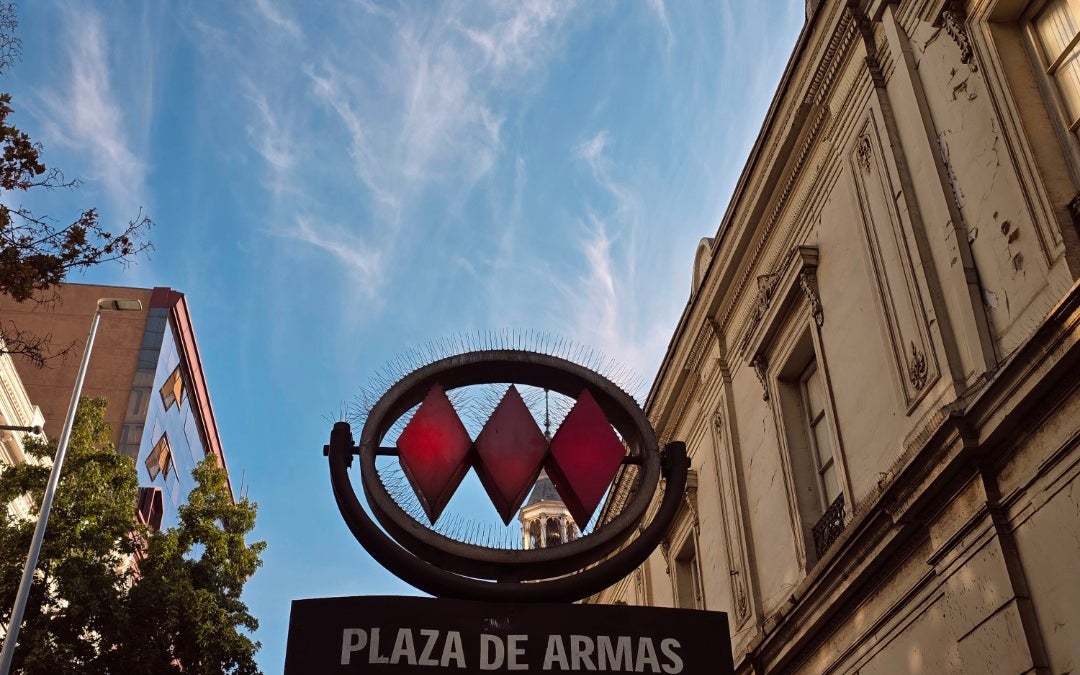
- 1Plaza de ArmasPlaza de ArmasPlaza de Armas is Santiago’s historic main square. Look for the cathedral, the central fountain, and the lively street life around it.
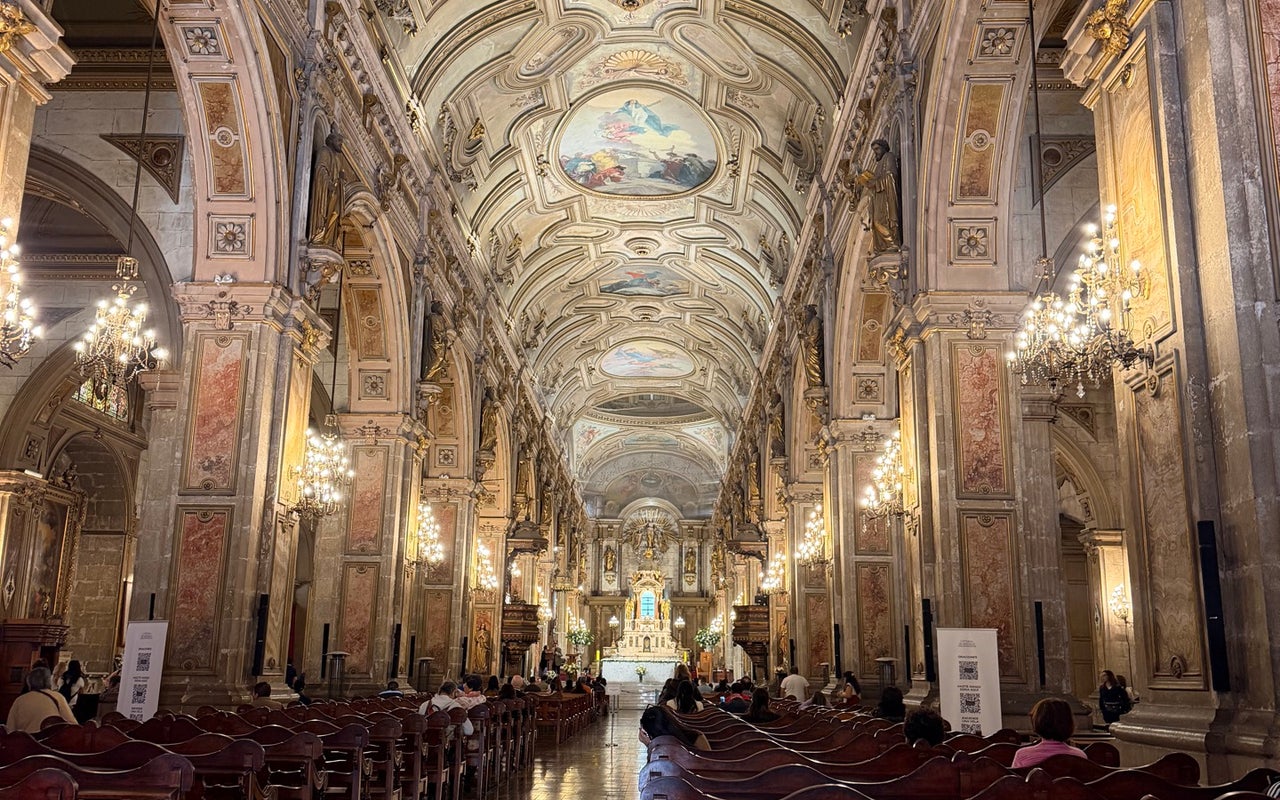
- 2Catedral Metropolitana de SantiagoCatedralThe Metropolitan Cathedral of Santiago is the city’s principal Catholic cathedral, facing the Plaza de Armas. Step inside to see its ornate interior and richly decorated altars.
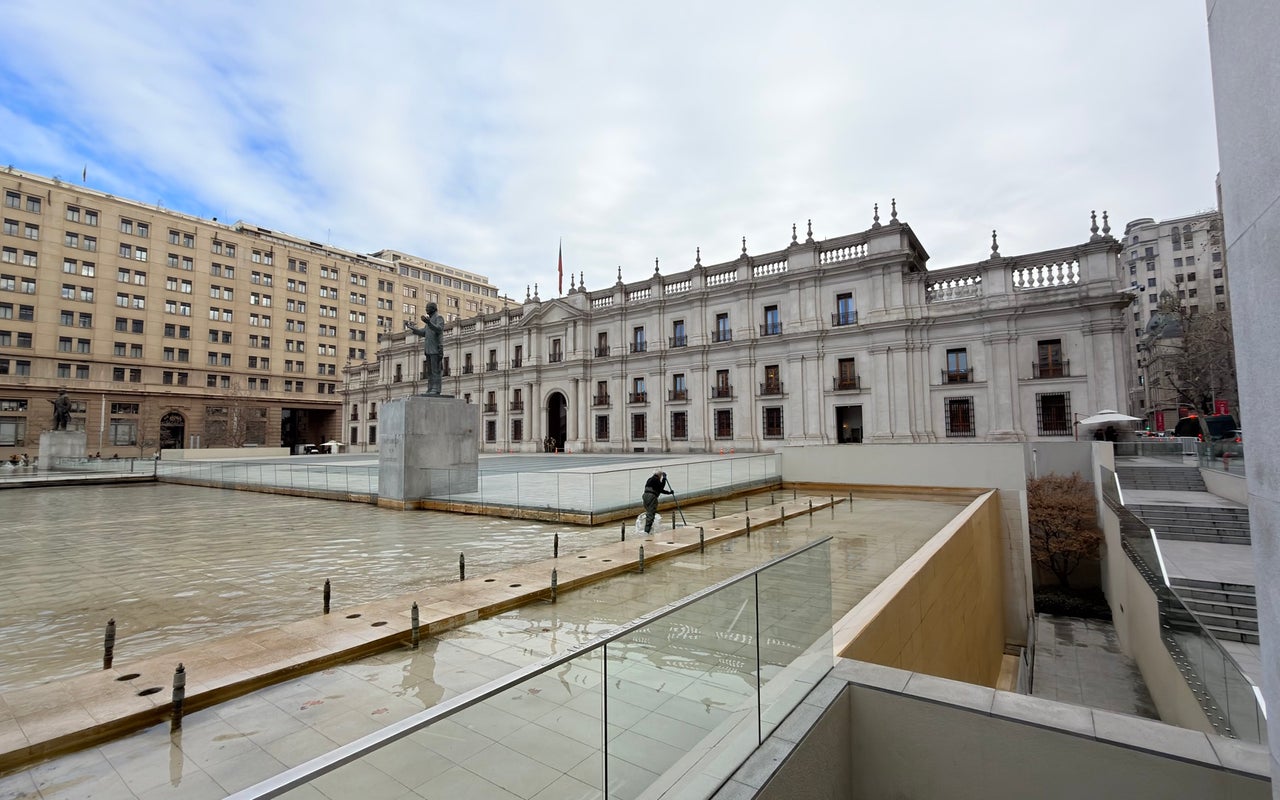
- 3Palacio de La MonedaAv. Libertador Bernardo O'HigginsPalacio de La Moneda is the seat of the Chilean government and one of Santiago’s most important historic buildings. Stop to see its formal neoclassical façade and the changing of the guard.
- 4Londres 38Londres 38Londres 38 is a former detention and torture site used by Chile’s secret police during the dictatorship. Visit its memorial space to learn about those who were detained and disappeared there.
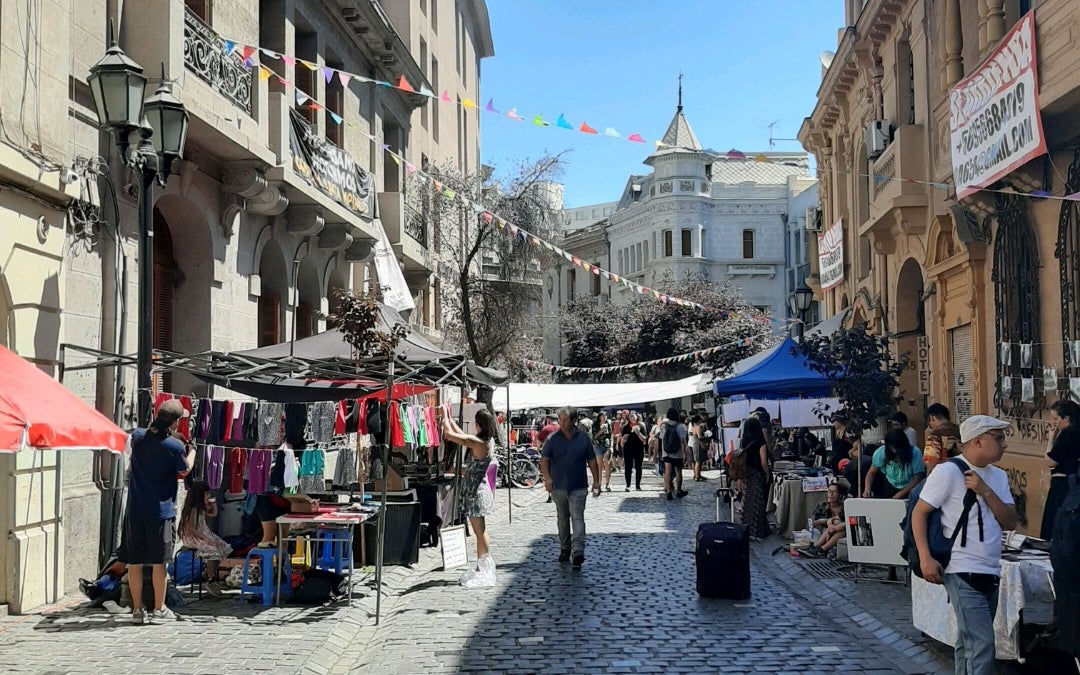
- 5Centro Cultural Gabriela MistralAv. Libertador Bernardo O'Higgins 227The Gabriela Mistral Cultural Centre is a major Santiago venue for theatre, music, dance and visual arts. Notice the building’s distinctive perforated copper-clad exterior.
- 6Plaza BaquedanoAv. ProvidenciaPlaza Baquedano is a major plaza in central Santiago. It is a well-known city landmark and a common meeting point.
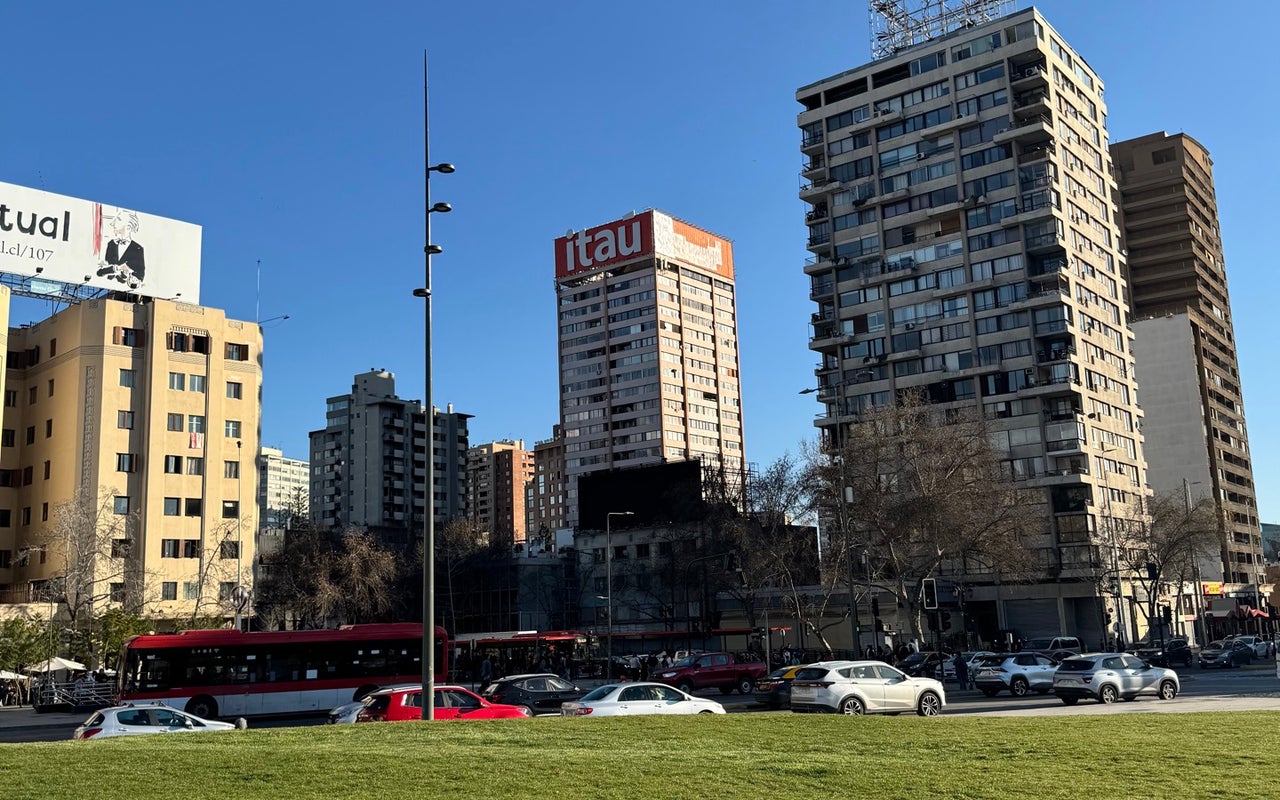
- 7Cementerio GeneralAv. La PazCementerio General is Santiago’s largest cemetery and an important historic site. Look for the ornate tombs and mausoleums of notable Chileans.
- 8Patio 29Patio 29 is a section of Santiago’s General Cemetery associated with the burial of unidentified victims of the dictatorship. Its memorials commemorate people who were disappeared or killed.

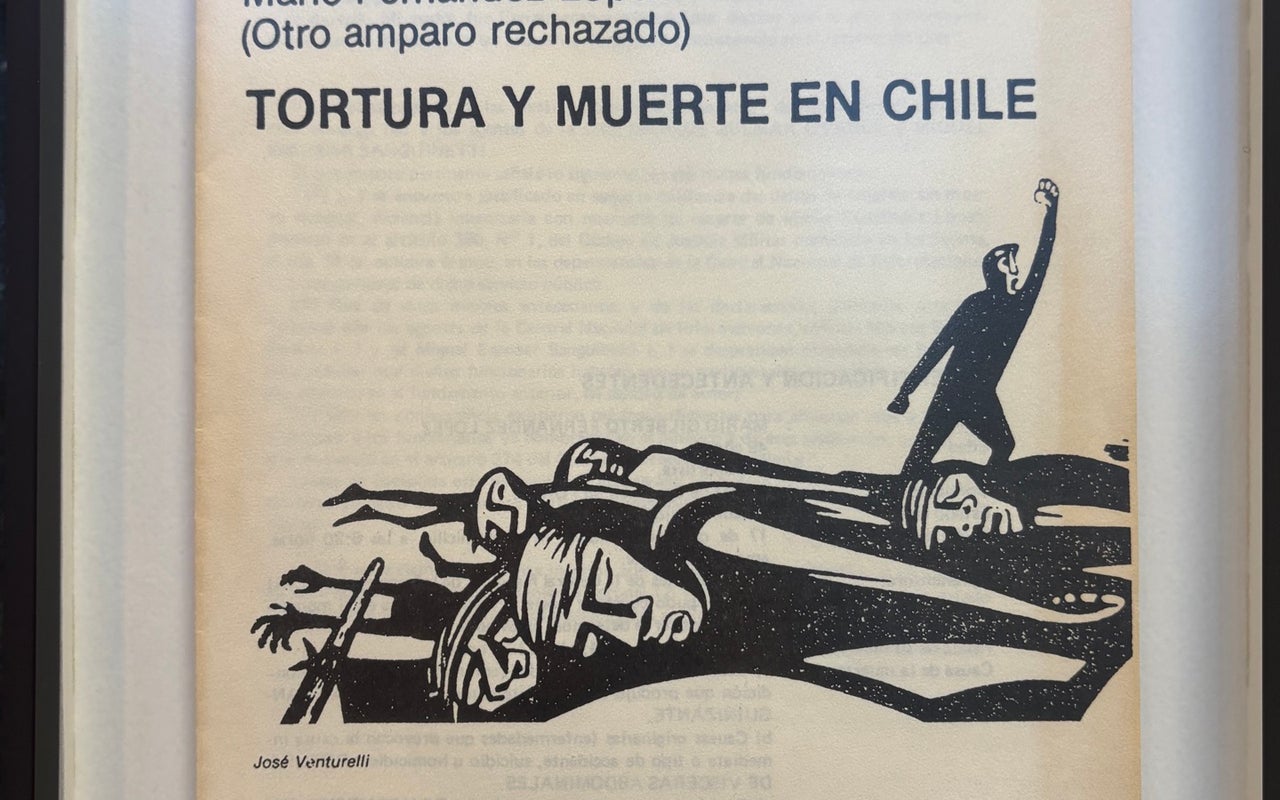
- 9Museo de la Memoria y los Derechos HumanosMatucana 501Museo de la Memoria y los Derechos Humanos is a museum devoted to Chile’s human rights history. The most moving part is the powerful exhibitions on the dictatorship era.
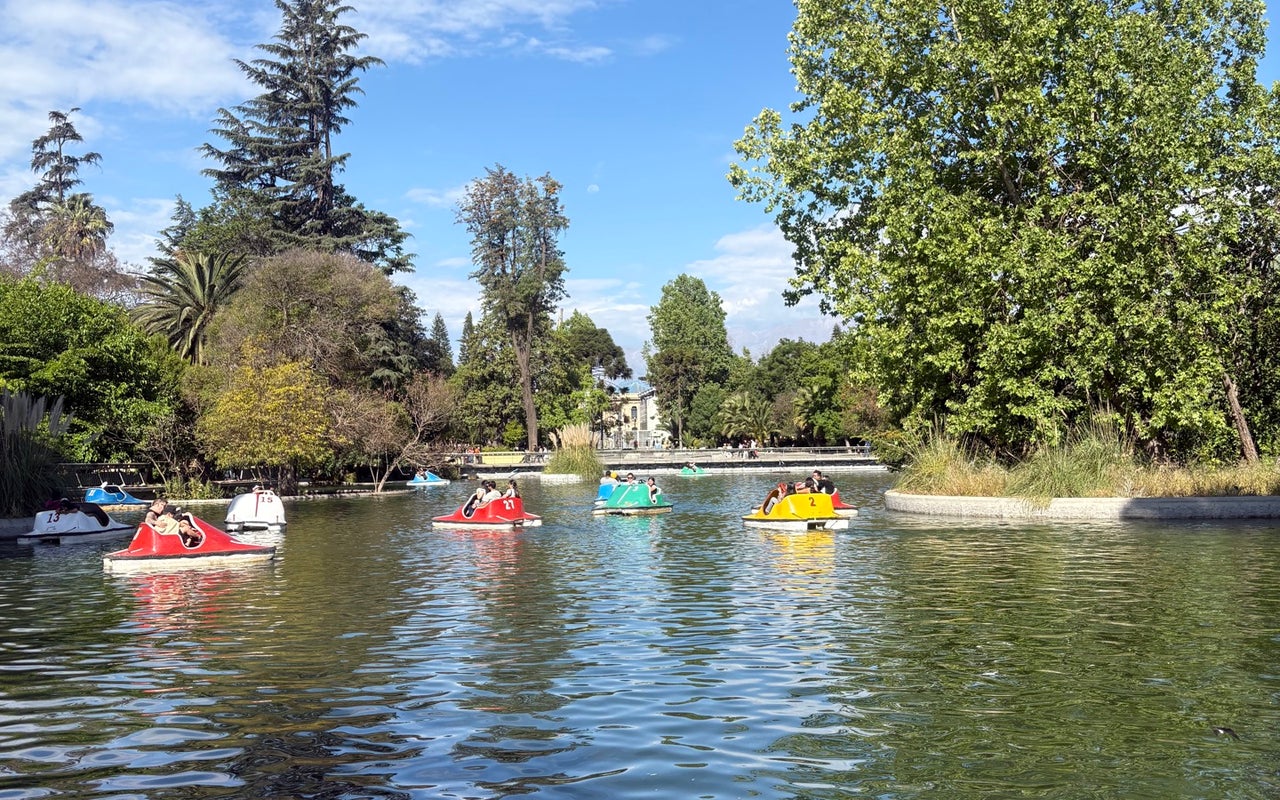
- 10Quinta Normal Park (Parque Quinta Normal)MatucanaQuinta Normal is a large public park in western Santiago, known for its museums and leafy paths. Take a walk around the pond and enjoy the park’s shaded green space.
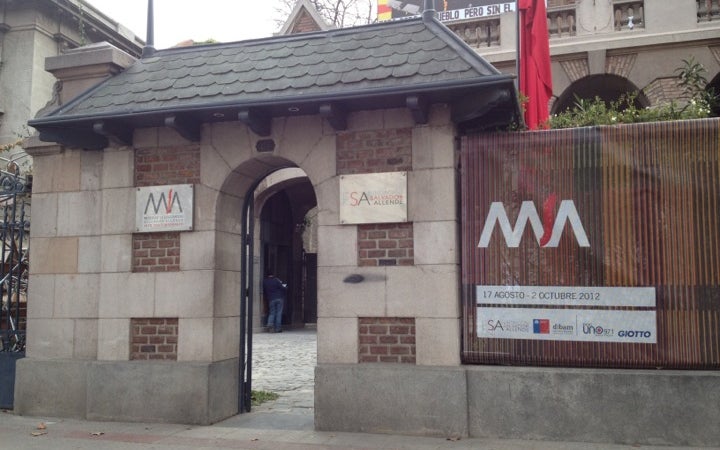
- 11Museo de la Solidaridad Salvador AllendeRepública 475Museo de la Solidaridad Salvador Allende is a museum of modern and contemporary art in Santiago. Its collection is especially known for works donated in solidarity with Chile.
- 12Estadio Nacional Julio Martínez PrádanosAv. Grecia 2001Estadio Nacional is Chile’s largest stadium and the home ground of the national football team. It also serves as a memorial to people detained there after the 1973 coup.