Jaipur’s Royal Choreography: Architecture, Power, and Control (2-Day Walk)
Available in:EN
601 min
8 stops
walk
Tour Description
Step into a staged world of ochre stone where the Kachwaha dynasty choreographed power into courtyards, gates, and processions—from the City Palace and Jantar Mantar to the spectacle of court life around Mubarak Mahal-style spaces like Pitam Niwas Chowk. Follow the authority-markers of Amber and Jaipur’s successors through Isarlat, Chandra Mahal, Shri Govind Dev Ji Temple, and Hawa Mahal, ending each day in late-afternoon light that makes the Pink City feel like it’s still performing.
Stops
- 1Albert Hall MuseumRam Nivas GardenAlbert Hall Museum is Jaipur’s oldest museum, known for its Indo-Saracenic architecture and broad collection of art and artifacts. The building itself is worth admiring as much as the exhibits.
- 2Isarlat
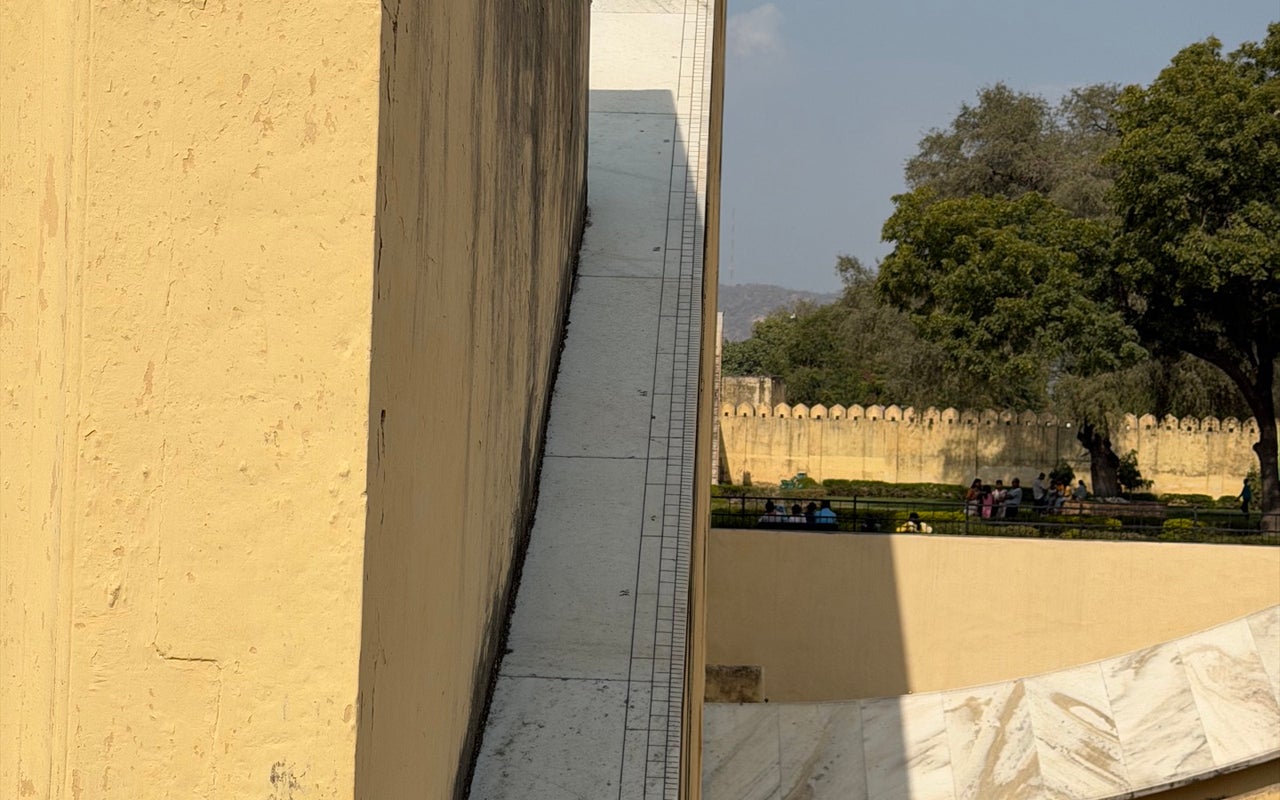
- 3Jantar MantarNear City PalaceJantar Mantar is an 18th-century astronomical observatory in Jaipur and a UNESCO World Heritage site. Its giant stone instruments are the main thing to see.
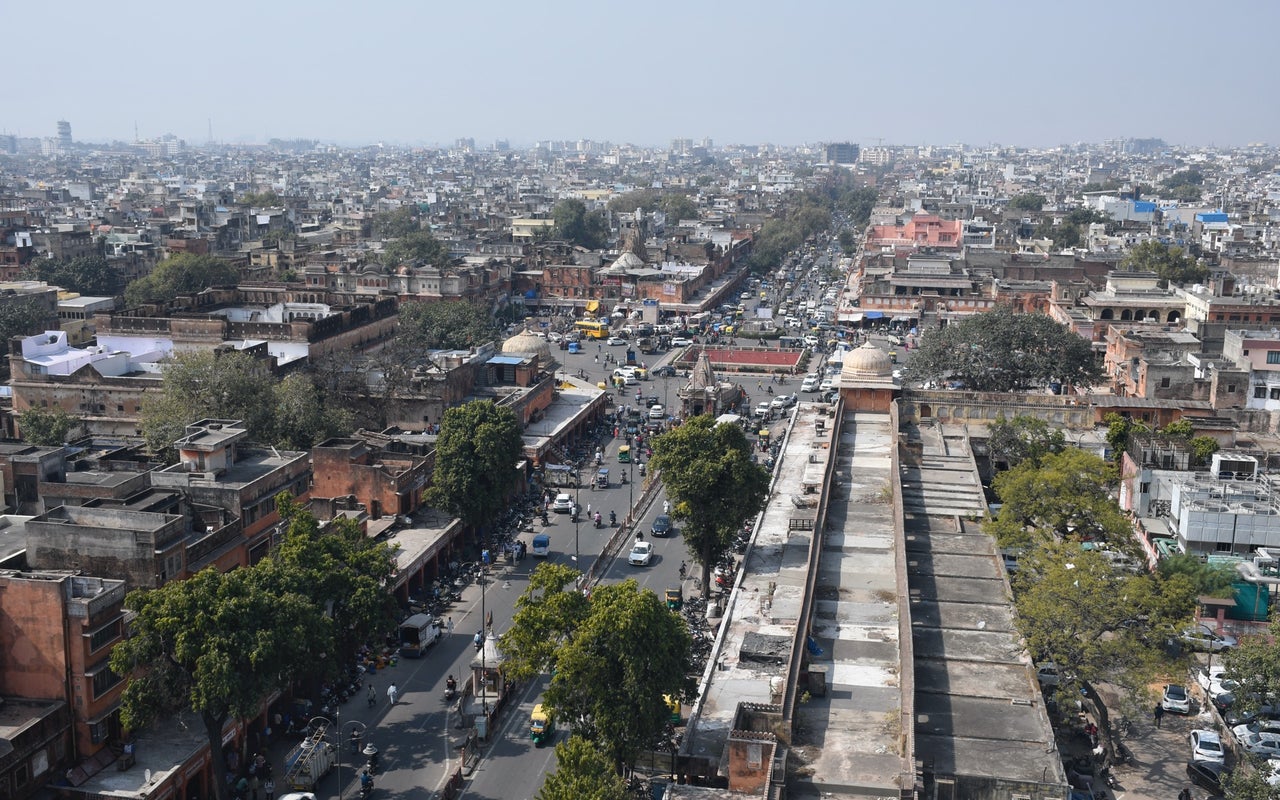
- 4City PalaceOpposite Hawa MahalCity Palace is the former royal palace complex of Jaipur’s rulers. Don’t miss the blend of courtyards, museums, and ornate architecture.
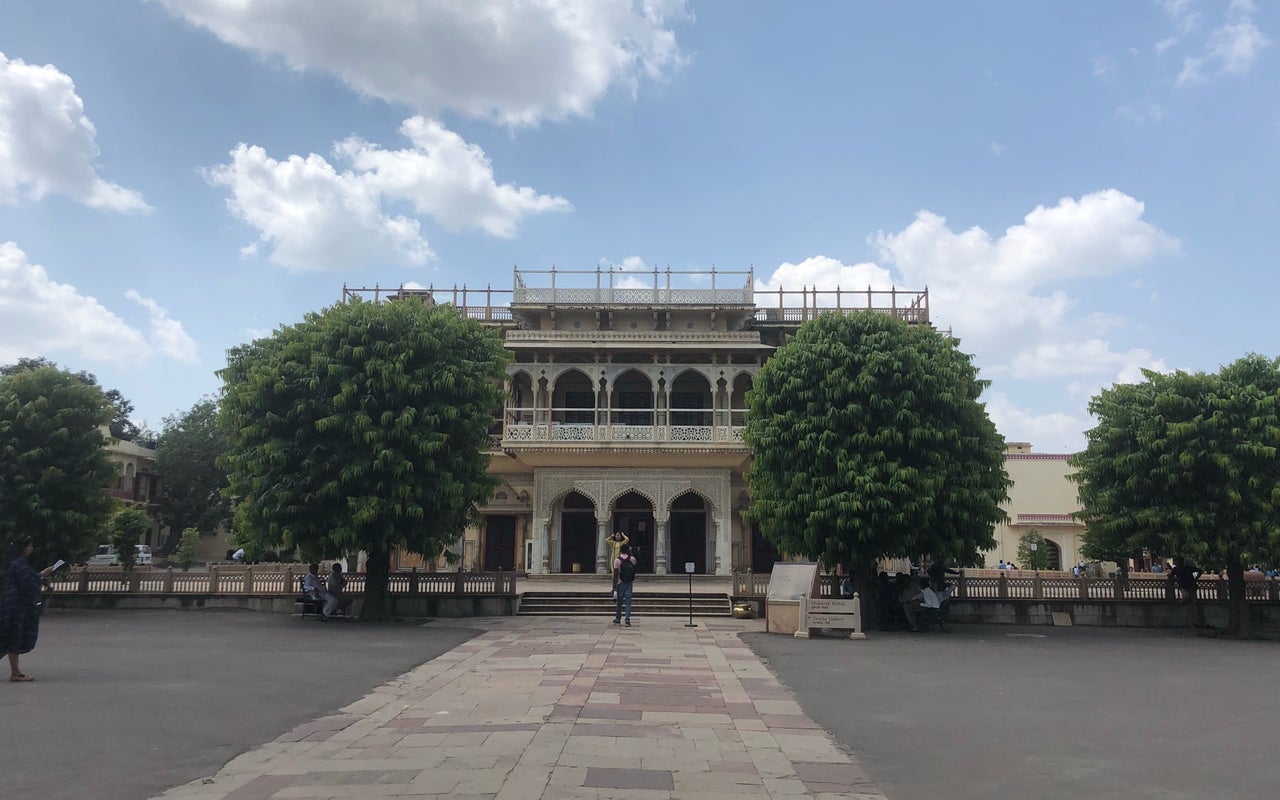
- 5Pitam Niwas ChowkPitam Niwas Chowk is the inner courtyard of Jaipur’s City Palace, known as the Peacock Courtyard. Look for its four ornate gateways, each representing a different season.
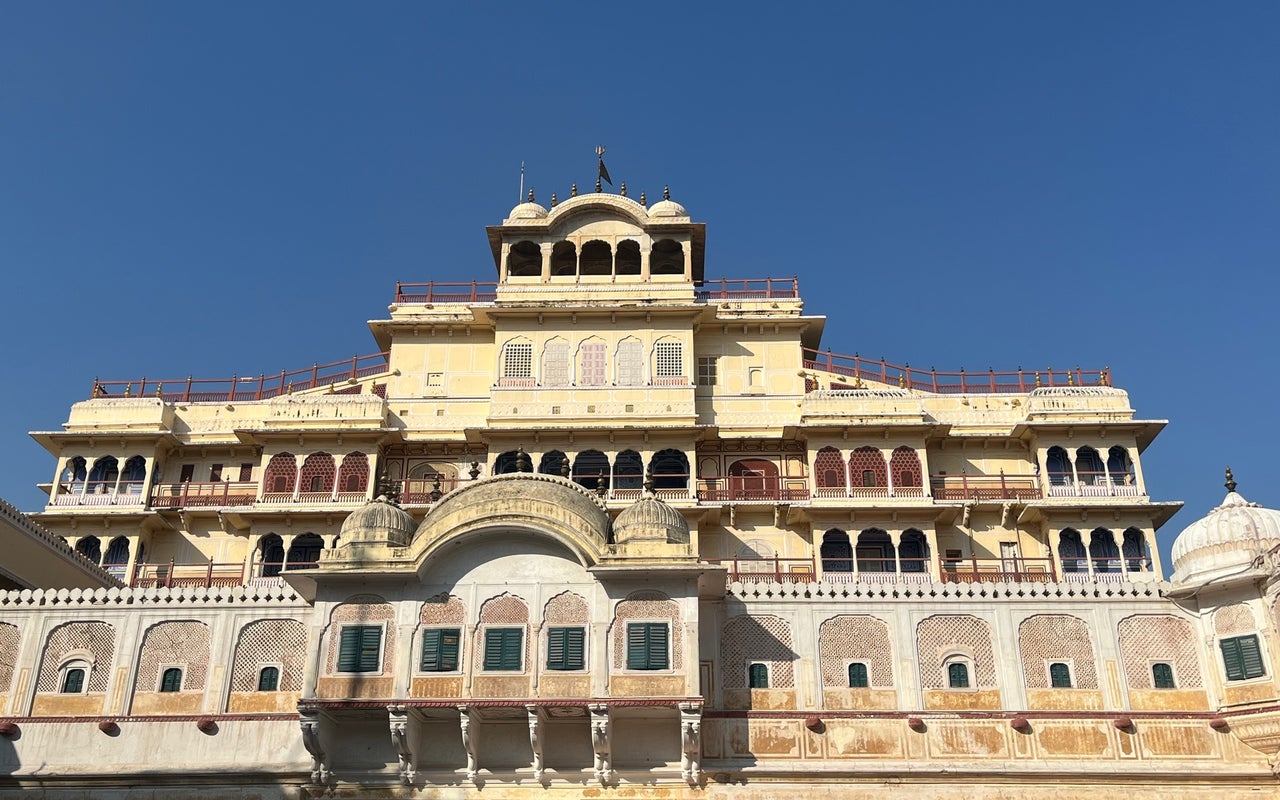
- 6Chandra MahalCity Palace, Govind Dev ColonyChandra Mahal is one of the main palaces within Jaipur’s City Palace complex and remains a symbol of the city’s royal heritage. Admire its ornate Rajput architecture and the grand facade from the palace grounds.
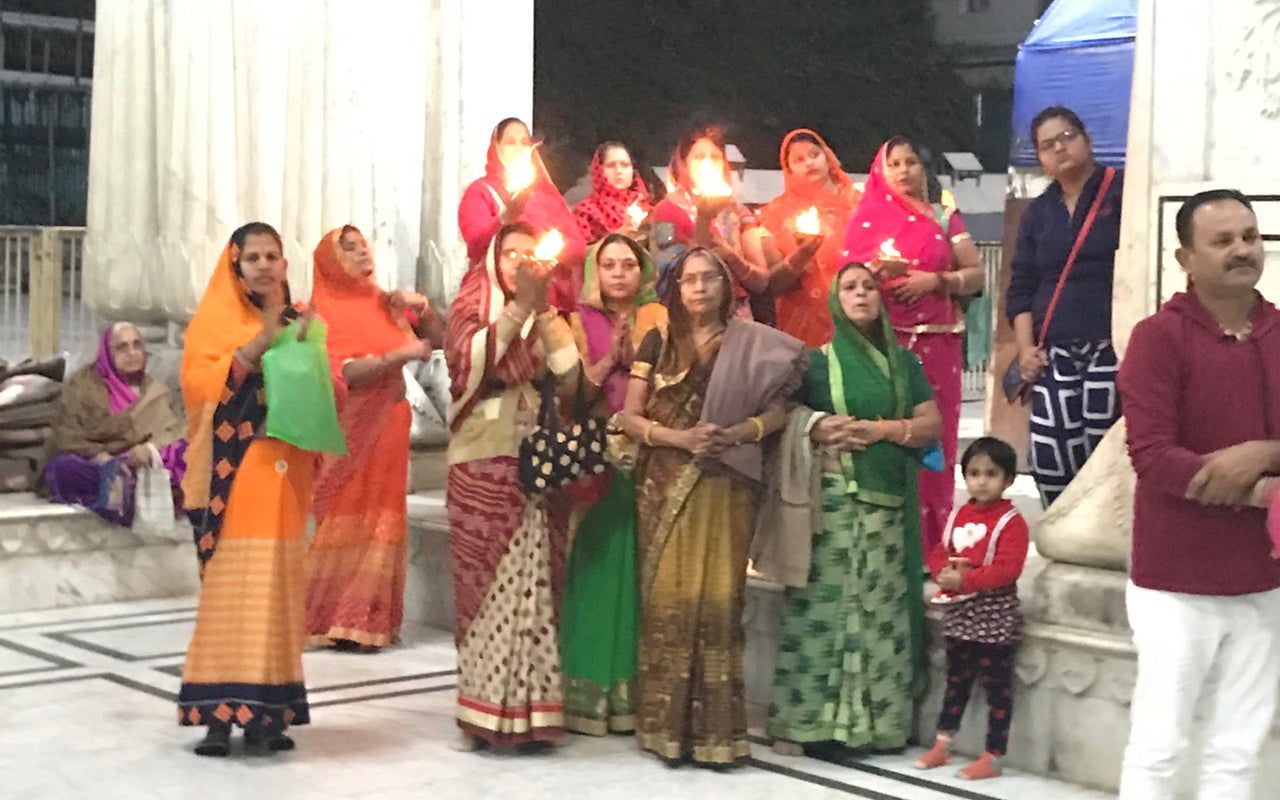
- 7Shri Govind Dev Ji TempleJai Niwas Bagh, City PalaceShri Govind Dev Ji Temple is a major Hindu temple inside Jaipur’s City Palace complex, dedicated to Lord Krishna. Pause to see the devotion of local worshippers and the beautifully decorated shrine.
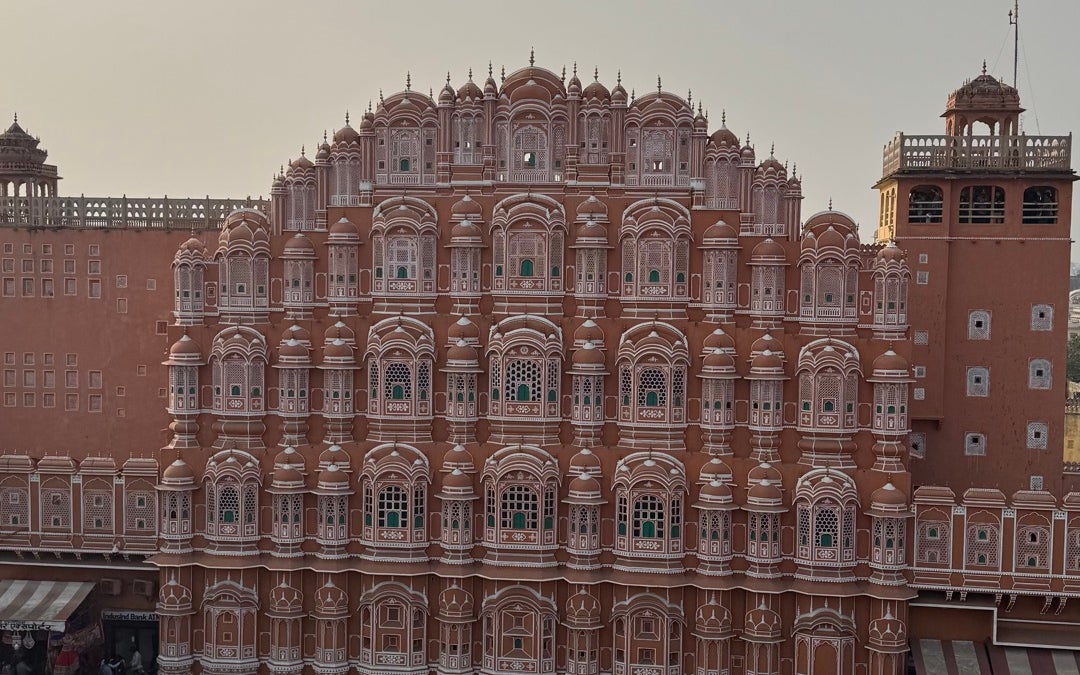
- 8Hawa MahalHawa Mahal RdHawa Mahal is Jaipur’s famous five-story palace with a distinctive pink sandstone facade. The best thing to notice is its honeycomb of small windows, built so royal women could observe street life unseen.