Explore Kolkata: Famous Landmarks and Local Secrets
Whether you have a day or a weekend, discover Kolkata at your own pace with Votura's AI-powered self-guided audio tours.

Kolkata rewards the curious traveler with a mix of grand landmarks and small, surprising details that reveal themselves when you wander without a strict plan. From the Victoria Memorial and Howrah Bridge to the lanes of North Kolkata, the city feels alive with history, street life, and pockets of local character waiting just beyond the obvious sights.
Why Kolkata Rewards Curious Explorers
That is what makes exploring Kolkata so appealing: you can move from famous monuments to hidden courtyards, neighborhood markets, and quiet ghats in a single day. Votura AI generates audio tours matched to the traveller's time, transport preference, and chosen theme, so every route feels tailored to the way you want to discover the city.
Raj in Stone, Rebellion in the Streets: A 16-Hour Walk Through Colonial Kolkata and Its Counter-Voices
This is a walk through Kolkata’s colonial downtown and the city’s answers to it, from BBD Bagh to the later institutions around College Street, the Maidan, and south to Netaji Bhawan. It follows the old administrative core, then drifts into universities, cafés, memorials, parade grounds, and nationalist memory. The route earns its time because the buildings do not sit apart from the arguments around them; they are part of the same street-level story. By the end, the city feels less like a preserved imperial center than a place that kept interrupting it.
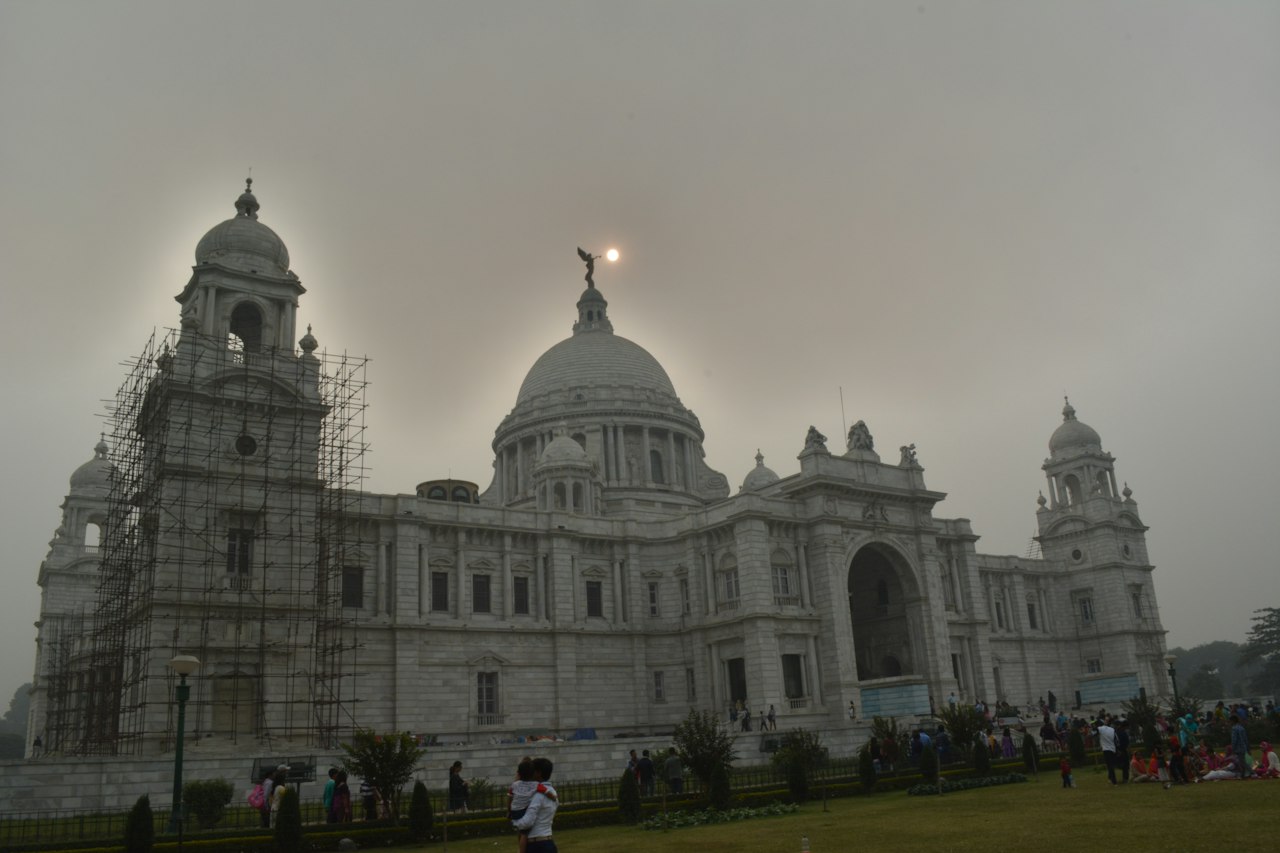
BBD Bagh sets the tone with open government frontage and traffic moving around the old tank-like civic space, before Writers’ Building appears in long red brick and arched corridors, still heavy with administrative history. Currency Building is quieter in the street scene, but worth pausing for its façades and the way it sits among the more imposing colonial blocks. At Raj Bhavan, the scale changes: the gates, lawns, and formal symmetry make the old power structure plain, and Kolkata High Court brings a different visual grammar with its Gothic massing and spire-like profile. Metcalfe Hall and the Post Office add another layer of imperial civic architecture, while Mahajati Sadan breaks the sequence with a nationalist purpose and a more public-facing memory of the city. Presidency University, the Indian Coffee House, and Calcutta University shift the mood northward to College Street’s debate culture, where the Coffee House’s ceiling fans and crowded tables matter as much as the institution outside. The final stretch opens onto the Maidan, then the white bulk of Victoria Memorial, the fenced military geometry of Fort William, and, at Netaji Bhawan, a more intimate room of photographs, rooms, and residue from Subhas Chandra Bose’s life.
The route
Best walked over two days, from BBD Bagh southward and then north and west to Netaji Bhawan.
- BBD Bagh
- Writers' Building
- Currency Building
- Raj Bhavan
- Kolkata High Court
- Metcalfe Hall
- Post Office
- Mahajati Sadan
- Presidency University
- Indian Coffee House
- Calcutta University
- Maidan
- Victoria Memorial
- Fort William
- Netaji Bhawan
Paste it into the agent chat in Votura and it will build the map and the audio guide.
Before you go
Starting early helps because the government district is easier to read before the traffic thickens and the sun begins to sit on the stone. The walking itself is straightforward in distance but tiring in humidity, with a few long road crossings, uneven pavements, and stretches where the route changes character fast. Some buildings in this sequence are best seen from outside or from public areas, and several institutional interiors can be subject to closures or restrictions, so the walk still works even when entry is not possible. Carry water, a charged phone, and something for sun and rain; Kolkata’s weather can change the feel of the route more than the distance does.
Kolkata’s Living Recipe Book: A 2-Day Market-to-Mouth Food Walk
This is a two-day walk through central Kolkata’s food and market districts, moving from College Street and Bowbazar-side institutions into the old wholesale streets around Nakhoda Masjid, Burrabazar, and then south to New Market’s edge and Gariahat. It runs through places where students, traders, cooks, hawkers, and office-goers all overlap in the same lanes. The point is not just eating, but watching how ingredients, breakfast counters, lunch rooms, and neighborhood markets fit together in one working city. It earns the time because the route shows Kolkata’s food culture as something lived and daily, not staged.
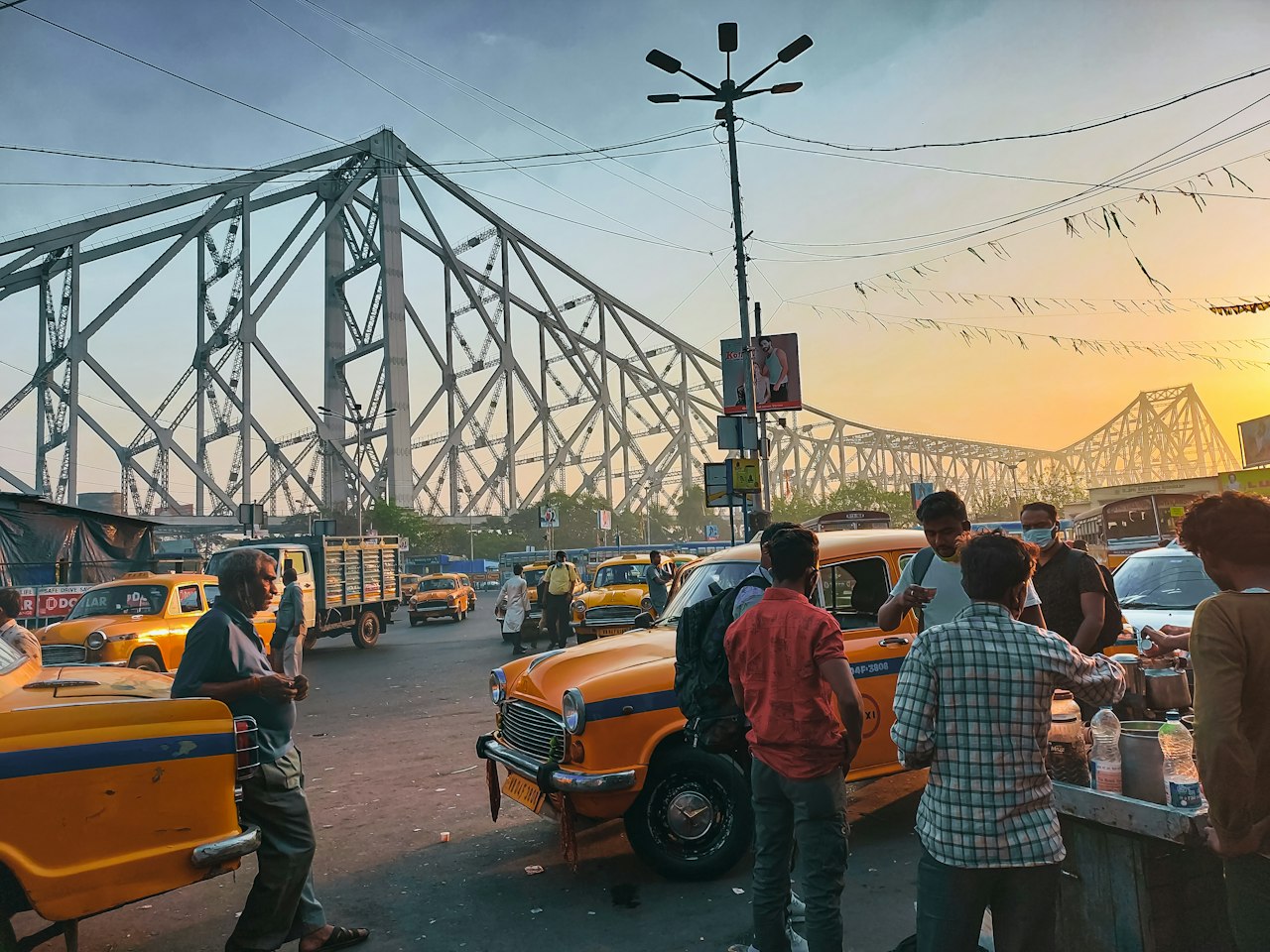
At University of Calcutta College Street, the street itself is part of the sight: bookstalls, tram wires, and the traffic mix around the campus gates. Indian Coffee House is all ceiling fans, worn tables, and waiters moving through the old hall with trays of coffee and cutlets. Nakhoda Masjid changes the atmosphere completely, with its red domes rising above lanes packed with carts, bolts of cloth, and small food counters. Mullick Ghat Flower Market is brightest early in the day, when marigold garlands, lotus stems, and wet concrete sit under the road bridge. Burrabazar is less one place than a compression of streets, and what stands out is the crush of handcarts, sacks, fruit, spices, and narrow alleys where every turn seems to lead to another commodity. By the time the route reaches Mitra Café, Taltala baazar, Nahoum and Sons, and Kusum Rolls, the details become smaller and more domestic: a glass case, a baked crust, paper-wrapped rolls, stacks of vegetables, and the churn of everyday shopping around them. Gariahat Junction and Gariahat Market finish with a different tempo, broader roads, fruit stalls, cloth, fish, and the steady neighborhood crowd that keeps moving in and out all evening.
The route
Best walked over two days, starting at College Street and finishing at Gariahat Market.
- University of Calcutta College Street
- Indian Coffee House
- Nakhoda Masjid
- Mullick Ghat Flower Market
- Burrabazar
- Mitra Café
- Taltala baazar
- Nahoum and Sons
- Kusum Rolls
- Gariahat Junction
- Gariahat Market
Paste it into the agent chat in Votura and it will build the map and the audio guide.
Before you go
Starting early makes the most sense, especially for Mullick Ghat Flower Market and the wholesale lanes around Burrabazar, which are busiest and most alive in the morning. The walk is long and uneven rather than difficult, with short stretches of dense traffic, frequent crossings, and plenty of stops that break up the pace. Some places are about the street more than the interior, and a few food counters or shops may close in the middle of the day or on their own weekly schedules. Comfortable shoes, water, and a willingness to linger at crossings and market edges are more useful than any fixed timetable.
Rokeya’s Kolkata: Women, Words, and Resistance on Foot
Trace a 2-day, 16+ hour walking journey through Kolkata’s humid book-laden streets, following Rokeya Sakhawat Hossain and the wider world of women’s intellectual life from College Street to Entally and Sealdah. With stops at schools, publishing spaces, public institutions, and neighborhood landmarks, this tour weaves together Muslim women’s leadership, labor, reform, and literary ambition in a city where archives, courtyards, and traffic noise all belong to the same story.
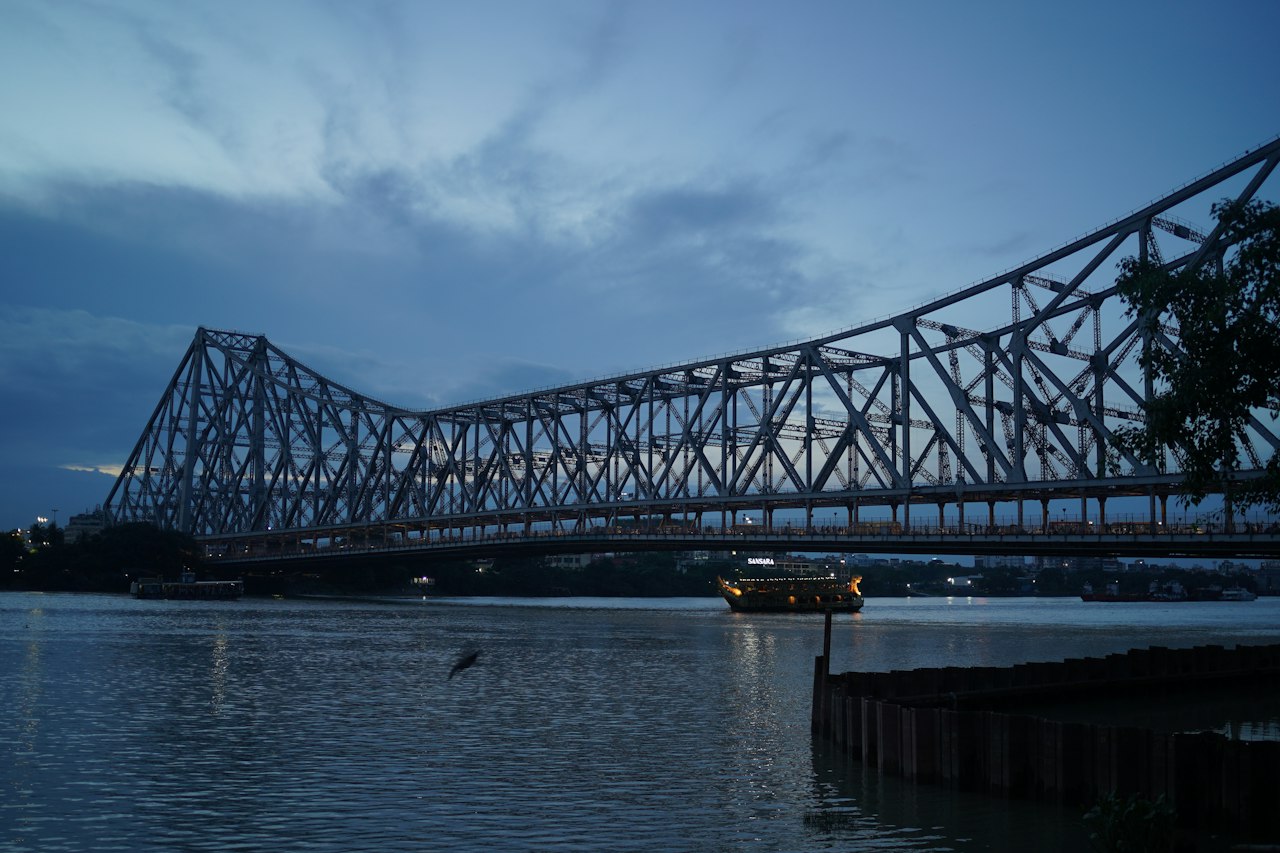
Along the way you pass College Square, University of Calcutta College Street, Nakhoda Masjid, Hariyana Public School and more.
The route
About 8.5 hours with stops.
- College Square
- University of Calcutta College Street
- Nakhoda Masjid
- Hariyana Public School
- Bangiya Sahitya Parishad
- Sealdah
- Indian Museum
- Asiatic Society
- Sakhawat Memorial Govt. Girls' High School
Paste it into the agent chat in Votura and it will build the map and the audio guide.
Before you go
About 8.5 hours with stops. The audio guide works offline, so download it before you set off.
Neon Nights of Kolkata: A 10-Stop Park Street & Burrabazar After-Dark Walk
This is a long, mostly urban walk through central Kolkata, linking College Square, Park Street, and the open grounds south of the Maidan, with one leg back toward Burrabazar and another through the cultural strip around Rabindra Sadan and Birla Academy. It moves from old educational and commercial streets into restaurant fronts, retail lanes, and then the broader civic spaces around Victoria Memorial and the Maidan. The route earns its time because the city changes character block by block: lake, museum, neon, traffic, lawns, and theatre district all sit within one walkable chain.
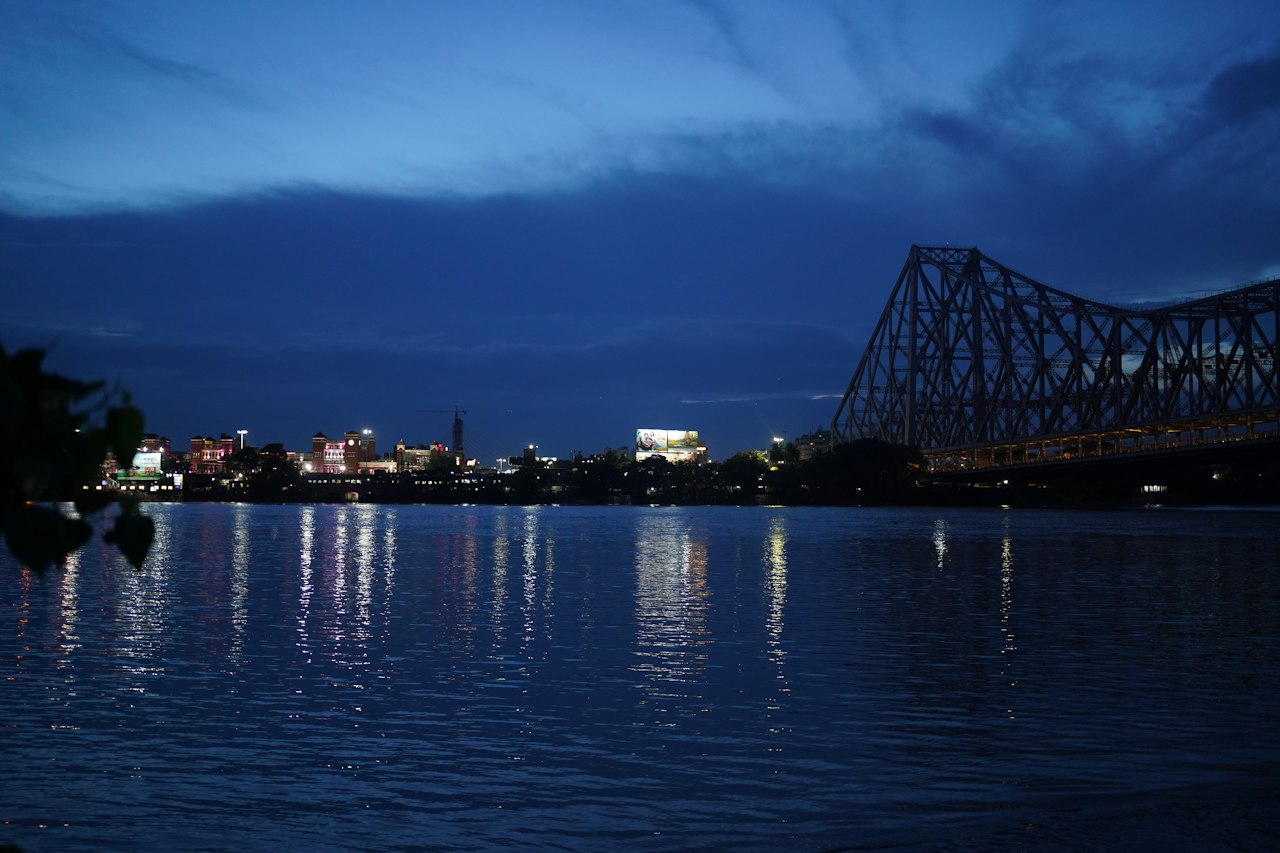
At College Square, the water and trees make the first stop feel unexpectedly calm before the city tightens again. The Indian Museum adds its older stone frontage and busy forecourt, with people pausing under the colonnade and traffic sliding past on Chowringhee. Mocambo, Flurys, and Peter Cat are read from the street as lit dining rooms and old signboards rather than interiors; the glass, neon, and late-evening arrivals matter more than the menus here. Vardaan Shopping Market is a different register entirely, with its close-packed frontage and the harder edge of Park Street retail before the road opens out toward Victoria Memorial and the Maidan, where the white building, broad lawns, and long sightlines make the air feel wider. Rabindra Sadan brings the theatre-and-culture district back into focus, and Birla Academy of Fine Art and Culture closes the walk with galleries set back from the road and a quieter, more deliberate pace.
The route
Plan on two days, walking from College Square toward Birla Academy, then back through the Park Street stretch after dark.
- College Square
- Indian Museum
- Mocambo
- Flurys
- Peter Cat
- Vardaan Shopping Market
- Victoria Memorial
- Maidan
- Rabindra Sadan
- Birla Academy of Fine Art and Culture
Paste it into the agent chat in Votura and it will build the map and the audio guide.
Before you go
Start late afternoon and continue after dark, because the route is at its best when the restaurants, traffic, and street lighting are all active. The walking itself is straightforward but not light: there are long stretches of pavement, frequent crossings, and a lot of stopping and starting around traffic. Park Street tends to be busiest in the evening, while some museum and gallery interiors may be closed by the time you reach them, so the walk works best as an exterior-focused route. Carry water, a small amount of cash, and something for humidity or rain; the monsoon season changes the pavement quickly.
How to Start Your Kolkata Tour with Votura
- Open Votura and tap Explore
- Search for Kolkata or let the app detect your location
- Browse available tours or tap Generate to create a custom tour
- Hit Play and follow the audio guide stop by stop
All tours include audio narration, a route map, and estimated stop times. Download any tour for offline access before you travel.
Sources
Frequently Asked Questions
What are the must-see landmarks in Kolkata for a first-time visitor?
The post highlights Victoria Memorial and Howrah Bridge as the most famous landmarks, along with important colonial-era sites such as BBD Bagh, Writers’ Building, Raj Bhavan, Kolkata High Court, and Metcalfe Hall. It also points to College Street, the Maidan, and Netaji Bhawan as key stops for understanding the city’s history and character.
Where should I go in Kolkata to see both famous sights and local character?
The post suggests moving beyond the obvious monuments into North Kolkata, neighborhood markets, quiet ghats, and the lanes around College Street. These areas, along with the colonial downtown and south toward Netaji Bhawan, are where the city’s local character is described as most visible.
How can I explore Kolkata in a way that includes hidden places too?
The article says Kolkata is best explored without a strict plan, because that lets you move from major landmarks to hidden courtyards, markets, and ghats in the same day. It also mentions that Votura AI creates audio tours based on your time, transport preference, and chosen theme, so the route can be tailored to how you want to discover the city.
When is a good way to experience Kolkata’s colonial history and nationalist memory?
The post describes a 16-hour walk through colonial downtown, starting at BBD Bagh and continuing through College Street, the Maidan, and south to Netaji Bhawan. This route is designed to show both the old administrative core and the city’s later nationalist counter-voices in one continuous journey.
Why is Kolkata considered rewarding for curious travelers?
Kolkata rewards curious travelers because its famous monuments, street life, and smaller details all sit close together, so the city reveals more as you wander. The post emphasizes that its buildings and neighborhoods tell a layered story of imperial power, resistance, debate culture, and everyday life.
Hear this city out loud
Votura turns the places in this guide into a self-guided audio tour you can follow at your own pace.