Free Walking Tour of Delhi & Free Things to Do (Self-Guided)
A free self-guided walking tour of Delhi: 7 free sights in route order, about 10 km, about 4–5 hours with stops. No booking, no tips, start any time.

Delhi is a city where so much of the experience happens in plain sight, and you can absorb a huge amount of it without spending a rupee. From broad avenues and busy markets to mosque courtyards, war memorials, and colonial-era facades seen from the street, the city rewards slow walking and curious detours.
Why Delhi Rewards Travellers on a Zero Budget
This self-guided approach works especially well in Delhi because many of its best moments are public and easy to access: riverfront views, neighborhood bazaars, temple exteriors, and historic architecture visible from outside. Votura AI generates audio tours matched to the traveller's time, transport preference, and chosen theme, making it simple to build a free itinerary that fits the way you want to explore.
Lodhi Garden
Lodhi Garden is a large public park in south Delhi with the remains of several 15th- and 16th-century tombs set among lawns, trees, and water. What you see in front of you is not one monument but a spread of domed graves, old stonework, paths, and birds moving through open green space. The detail that often gets missed is how the park makes the tombs feel part of daily city life rather than separate from it; people jog, picnic, and sit in the shade around structures that are centuries old.
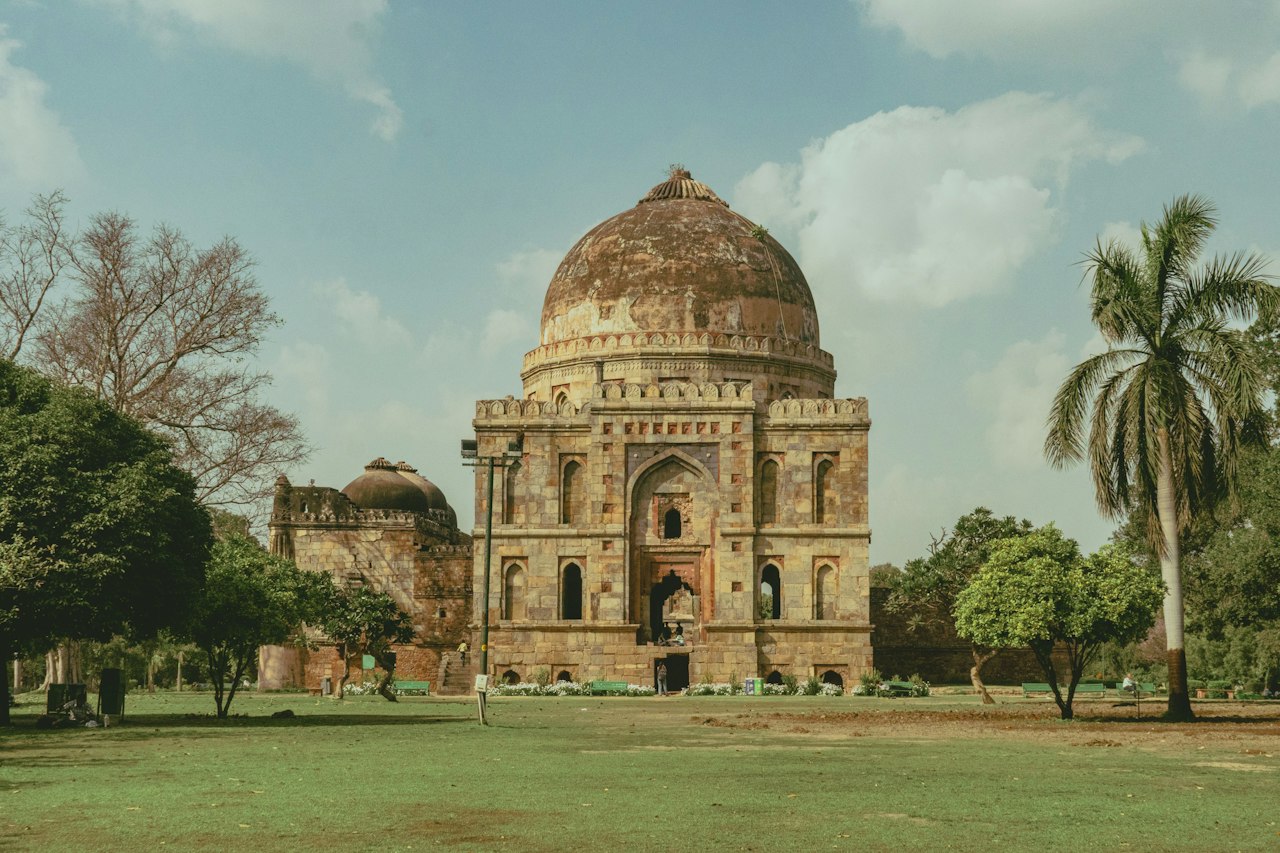
It is usually quietest in the early morning, when walkers and joggers are the main crowd, and busier later in the day with families and visitors. People often spend around an hour or two here, longer if they are walking slowly through the gardens. It connects well with nearby Nizamuddin and the larger south Delhi heritage-and-park area, especially if you are moving between open green spaces and older Mughal-era sites.
Sundar Nursery
Sundar Nursery is a large heritage park and landscaped garden near Humayun’s Tomb, with restored monuments, water features, native planting, and long walking routes. In front of you are broad lawns, old tombs, ponds, and carefully arranged trees rather than a single focal monument. What is worth noticing is the balance between restoration and everyday use: the place feels designed for walking, sitting, and birdwatching as much as for looking at architecture.
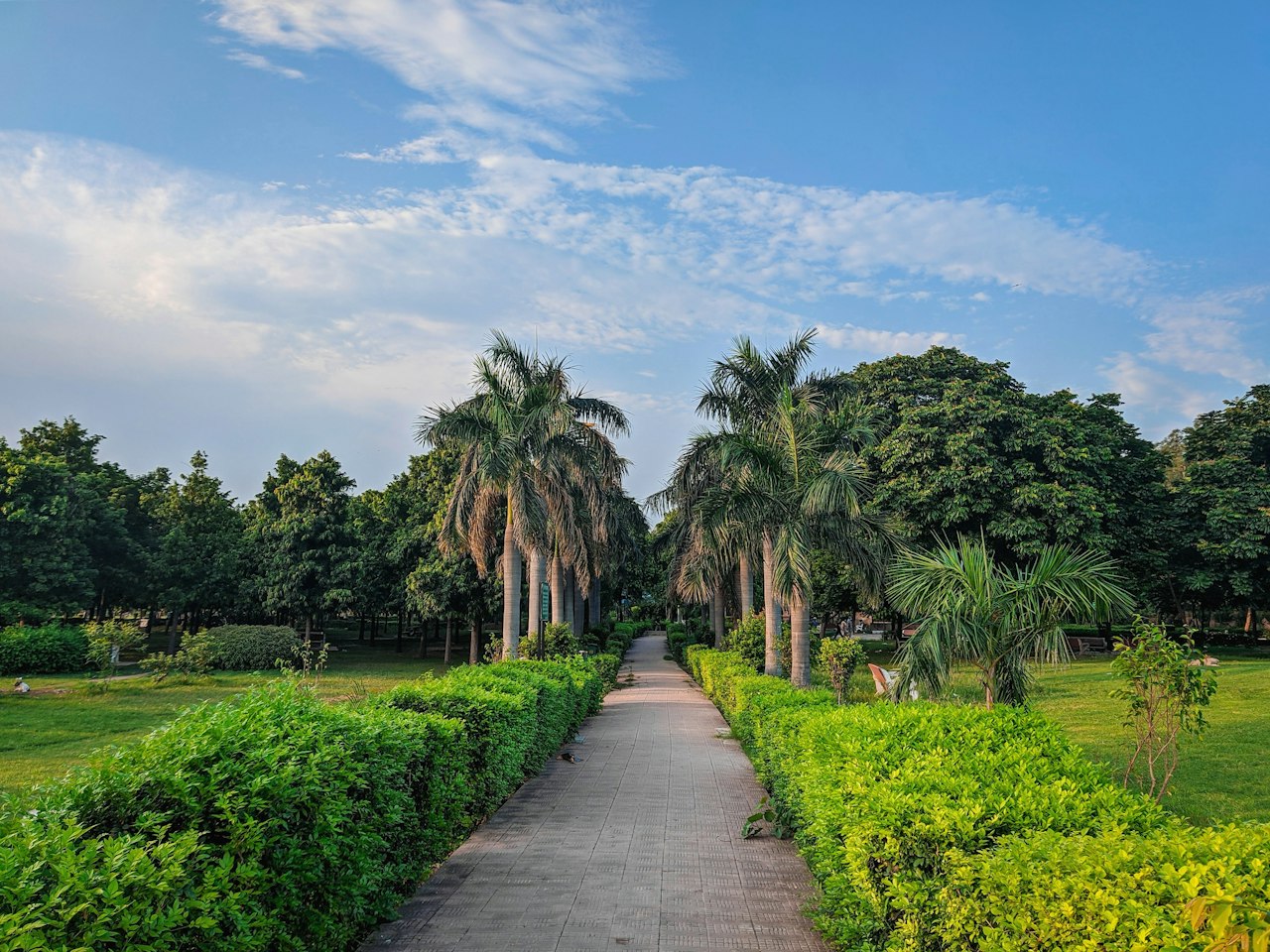
It is generally calmer on weekday mornings and busier on weekends, especially in pleasant weather. Visitors often spend a couple of hours here, more if they want to walk the full grounds or pause at the monuments and ponds. It sits close to Humayun’s Tomb and other Mughal-period sites, so it fits naturally into a day of heritage walking in south Delhi.
National Gallery of Modern Art, Delhi
The National Gallery of Modern Art in Delhi is a museum for modern and contemporary Indian art, housed in a former royal residence near India Gate. What you see is a formal museum setting rather than a street-level monument: galleries, portraits, paintings, sculpture, and a large historic building with courtyards. The part worth noticing is the contrast between the art inside and the colonial-era architecture around it, which shapes how the museum feels before you even enter the galleries.
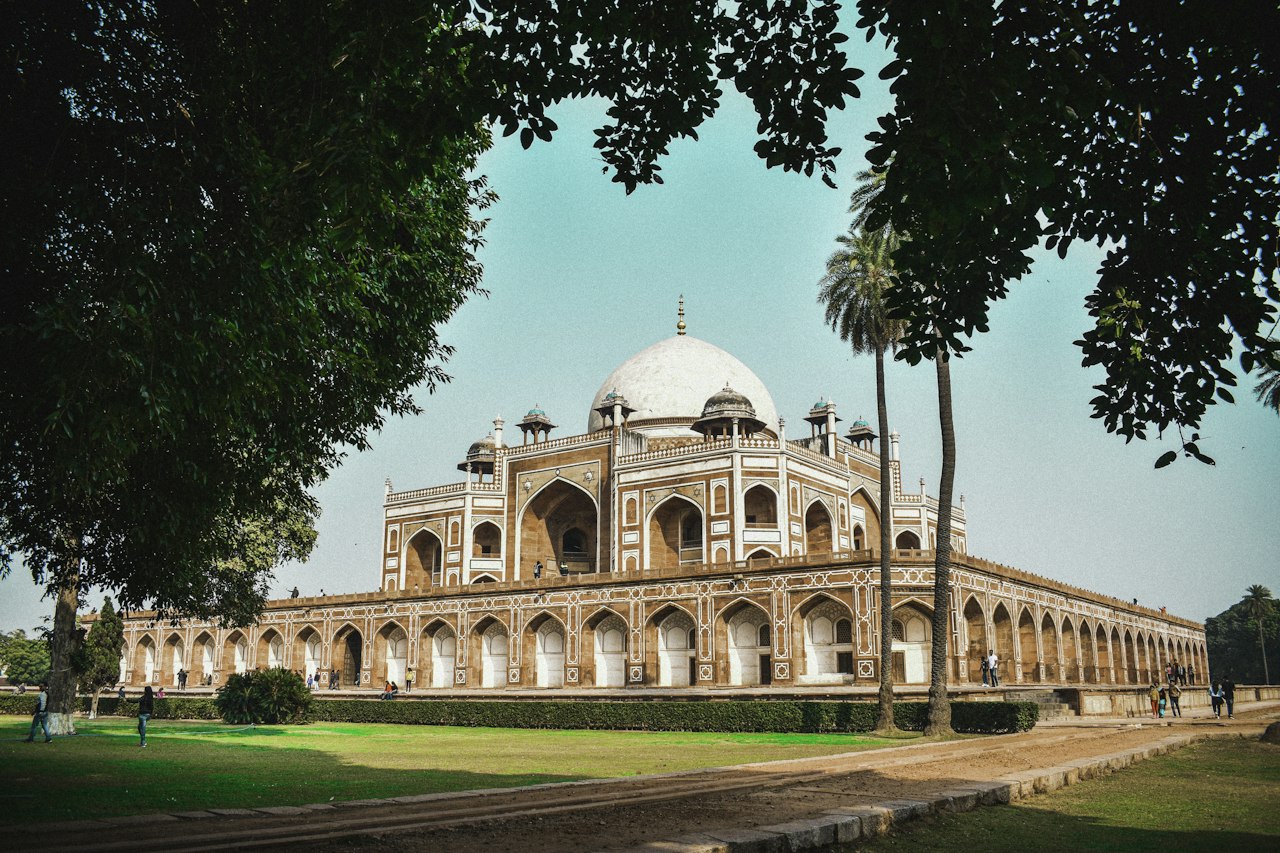
It is usually quieter on weekday mornings and can be busier on weekends and during temporary exhibitions. People often spend two to three hours here, sometimes less if they are only seeing a few galleries. It is close to India Gate and the larger Central Delhi ceremonial zone, so it pairs naturally with a walk around that area.
India Gate
India Gate is a war memorial and one of the best-known landmarks in Delhi, standing at the center of a broad ceremonial avenue. In front of you is the stone arch itself, the open space around it, and a constant flow of people, families, and traffic at the edges. The detail worth noticing is not just the monument but its scale in relation to the city: it is designed to be seen from a distance, and the long approach changes how you experience it.
It is busiest in the evening, when the lawns and open space fill with people, and calmer early in the morning. Most people spend a short time here, from a quick stop to an hour or so, unless they are walking the whole surrounding boulevard. It links directly with Kartavya Path, Rashtrapati Bhavan in the distance, and the museums and government buildings of central Delhi.
Kartavya Path
Kartavya Path is the broad ceremonial avenue in central Delhi running between Rashtrapati Bhavan and India Gate. What you see is an unusually wide urban space with lawns, fountains, statues, long sightlines, and government buildings on both sides. The detail that stands out is how open and formal it is: it reads less like a normal city street and more like a stage set for public space, movement, and large events.
It is often quietest in the early morning and later at night, while evenings and event days can be crowded. Many visitors spend 30 minutes to a couple of hours walking, sitting, or taking photos along the avenue. It connects India Gate, the presidential estate, and the central government district, so it works best as part of a wider walk through Lutyens’ Delhi.
Dilli Haat, INA
Dilli Haat, INA is an open-air market and food court with craft stalls and regional food from different parts of India. What you see is not a traditional bazaar but a planned market with small shops, covered walkways, and tables where people eat and browse. The detail worth noticing is the mix of state-run craft stalls and everyday street-style eating, which gives it a more structured feel than a normal market while still feeling lively.
It is generally busier in the evenings and on weekends, when people come to eat, shop, and browse. Visitors usually spend one to two hours, longer if they are eating several things or looking through crafts slowly. It is easy to combine with INA Market and the south Delhi metro corridor, so it fits into a food-and-shopping stop rather than a full-day outing.
Jama Masjid
Jama Masjid is one of Delhi’s major congregational mosques, built in the Mughal period and set above the old city. What you see is a large courtyard, red sandstone and marble architecture, domes, minarets, and a constant backdrop of the dense streets of Shahjahanabad. The detail worth noticing is the contrast between the scale and calm of the mosque itself and the tightly packed, noisy city around it.
It is busiest around prayer times, especially on Fridays and during religious occasions, and quieter at other times of day. Visitors often spend 30 minutes to an hour or more, depending on whether they are entering the courtyard, climbing the minaret area when allowed, or simply standing outside to look. It connects closely with Chandni Chowk and Old Delhi, so most visits are part of a wider walk through the historic market streets nearby.
Chandni Chowk
Chandni Chowk is one of Delhi’s oldest market areas, a dense stretch of shops, lanes, food stalls, and constant movement in Old Delhi. What you actually see is crowded street life: cycle rickshaws, hanging signs, small storefronts, pilgrims, shoppers, and vendors packed into narrow lanes. The detail that matters is how layered the place is, with different trades and communities sharing the same space rather than one single market identity.
It is busiest during the day, especially late morning through evening, and can feel less intense very early or on certain quieter days. People can spend anywhere from an hour to several hours, depending on whether they are eating, shopping, or moving through the lanes slowly. It sits right by Jama Masjid, Red Fort approaches, and Khari Baoli, so it usually forms the center of a broader Old Delhi visit.
Raj Ghat
Raj Ghat is the memorial dedicated to Mahatma Gandhi, marked by a simple black marble platform and an open garden setting. What you see is deliberately restrained: a flame, a square memorial, lawns, and a sense of quiet space rather than a large monument. The detail worth noticing is the simplicity, which makes the place feel different from many other memorials in Delhi, where architecture often dominates the setting.
It is generally calm through much of the day and can get busier on national holidays, commemorative days, and school visits. Most people spend about 20 to 45 minutes here. It is part of a cluster of memorials in that area of Delhi, so it connects naturally with other nearby national memorial sites and the riverfront side of the city.
Khari Baoli
Khari Baoli is Delhi’s old wholesale spice market, known for sacks of spices, dried fruits, nuts, and herbs stacked in narrow lanes. What you see is an intensely working market rather than a tourist display: porters, small shops, handwritten labels, and goods piled high in front of old buildings. The detail worth noticing is the smell and texture of the place, where spices, dust, and traffic mix into a very specific Old Delhi atmosphere.
It is busiest in the daytime when the wholesale trade is active, and the lanes can feel crowded and slow-moving. Visitors usually spend 30 minutes to an hour, though some stay longer to walk through the adjoining market streets. It is closely tied to Chandni Chowk and the Old Delhi market network, so it is best visited as part of the same route rather than as a separate stop.
Free Walking Tour of Delhi: The Route
The route: Delhi
This route works best early in the morning or late afternoon to avoid heat and heavy traffic; expect some sections to be faster by auto-rickshaw than on foot, especially between Old Delhi and central Delhi.
- Jama Masjid
- Chandni Chowk
- Khari Baoli
- Raj Ghat
- India Gate
- Kartavya Path
- Lodhi Garden
Paste it into the agent chat in Votura and it will build the map and the audio guide.
Want the Stories Behind Each Stop?
Everything above is free to do on your own. If you want the history and local context narrated as you walk, Votura's AI audio tours of Delhi guide you stop by stop — at your own pace, offline if you like.
Sources
Frequently Asked Questions
What can you do in Delhi for free on a self-guided walking tour?
You can explore public places such as Lodhi Garden, Sundar Nursery, mosque courtyards, war memorials, busy markets, and colonial-era facades seen from the street. The post says Delhi offers many experiences in plain sight, so a slow walk can reveal a lot without spending money.
Where is Lodhi Garden in Delhi and what will you see there?
Lodhi Garden is a large public park in south Delhi. You will see lawns, trees, water, and several 15th- and 16th-century tombs with domed graves, old stonework, paths, and birds throughout the park.
When is the best time to visit Lodhi Garden?
Lodhi Garden is usually quietest in the early morning, when walkers and joggers are the main crowd. It gets busier later in the day with families and other visitors.
Where is Sundar Nursery located and what makes it worth visiting?
Sundar Nursery is near Humayun’s Tomb in south Delhi. It is worth visiting for its restored monuments, water features, native planting, broad lawns, ponds, and long walking routes.
How long do people usually spend at Lodhi Garden and Sundar Nursery?
People often spend around one to two hours at Lodhi Garden, longer if they walk slowly through the grounds. Visitors usually spend a couple of hours at Sundar Nursery, or more if they want to cover the full park and stop at the monuments and ponds.
Hear this city out loud
Votura turns the places in this guide into a self-guided audio tour you can follow at your own pace.