Must-See Places in Helsinki: Your Complete Audio Tour Guide
From iconic landmarks to hidden corners — explore everything Helsinki has to offer with Votura's self-guided AI audio tours.

Helsinki is a city where landmark architecture, sea views, and Finnish design come together in a compact, walkable center. From the white neoclassical sweep of Senate Square and Helsinki Cathedral to the modern edge of Oodi Library and the harbor-front bustle of Market Square, the city’s most memorable sights tell its story at a glance.
Why Helsinki Belongs on Every Traveller's Bucket List
This guide highlights the places you really cannot skip, with cultural stops that reveal Helsinki’s identity as much as its skyline does. Votura AI generates audio tours matched to the traveller’s time, transport preference, and chosen theme, so you can explore by foot, tram, or a shorter focused route without missing the essentials.
Helsinki in Focus: Central Highlights Driving Tour
This route is a compact circuit through central Helsinki, linking the cathedral hill, the harbor edge, and the rock-cut church inland. It stays in the city core, with short moves between the main civic square, the waterfront, and the eastern Orthodox quarter before ending at Temppeliaukio Church. On foot, it reads as a cross-section of Helsinki rather than a long-distance walk: neoclassical, seaside, and modern religious architecture all show up within a few blocks of one another. It earns the time because the route makes the city’s formal center and its harbor-facing streets easy to understand in one pass.
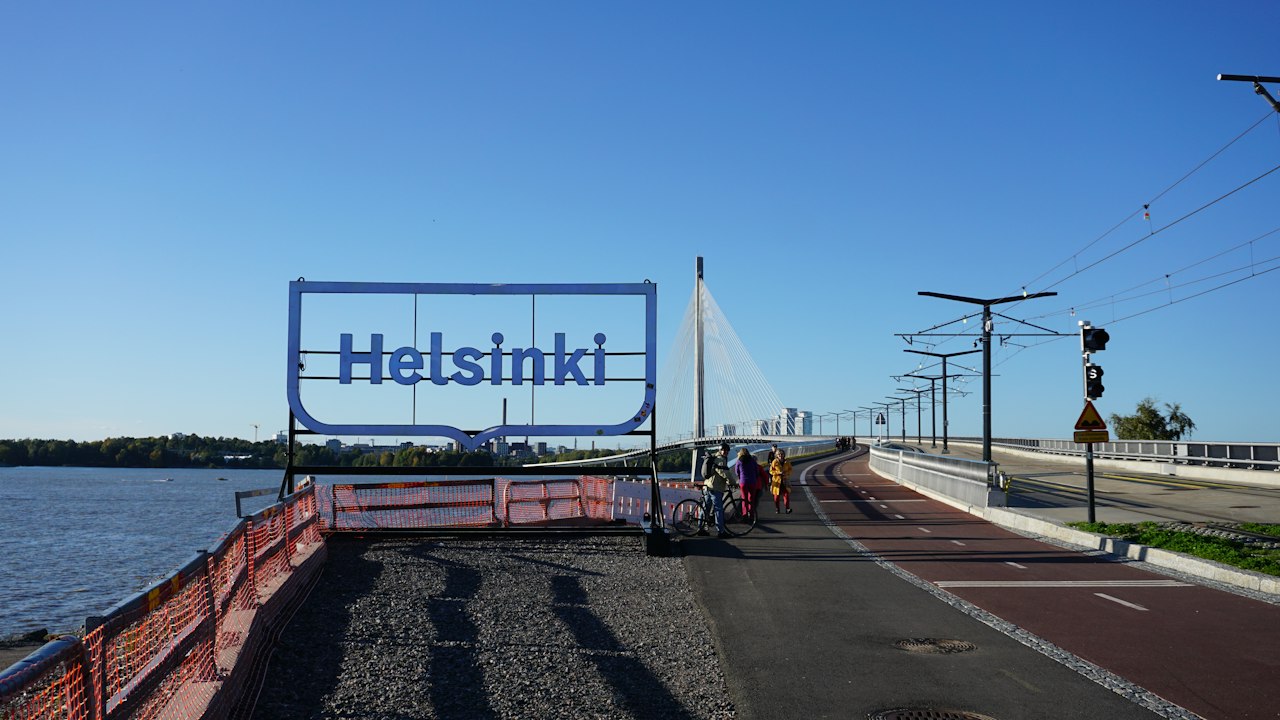
Helsinki Cathedral (Tuomiokirkko) is the first landmark most people notice, with its white stair-stepped façade rising above Senate Square and the green dome standing out against the sky. Senate Square (Senaatintori) is worth pausing in for the tight symmetry of the surrounding buildings and the open stone surface that makes the cathedral feel even larger. From there, Market Square (Kauppatori) shifts the mood to the harbor: market stalls, ferry traffic, and the line of waterfront buildings give the square its daily rhythm. Uspensky Cathedral (Uspenskin katedraali) adds a different texture, with its red-brick walls and gold domes set slightly above the street and looking back over the harbor area. Temppeliaukio Church (Temppeliaukion kirkko) finishes the route with a very different effect, cut into the bedrock so the rough stone walls and copper roof feel part of the hill itself.
The route
Allow a short half-day on foot, and follow the route eastward from the cathedral hill to the church in the rock.
- Helsinki Cathedral (Tuomiokirkko)
- Senate Square (Senaatintori)
- Market Square (Kauppatori)
- Uspensky Cathedral (Uspenskin katedraali)
- Temppeliaukio Church (Temppeliaukion kirkko)
Paste it into the agent chat in Votura and it will build the map and the audio guide.
Before you go
Early morning usually gives the easiest walk, with softer light on Senate Square and fewer crowds around the harbor. The walking is moderate rather than strenuous, but there are uneven surfaces, stairs, and some uphill stretches between the waterfront and Temppeliaukio Church. Market Square and the harbor side are often busiest in good weather and when cruise passengers are in town, while church interiors can have limited access during services or events. A light rain shell, comfortable shoes, and a bit of cashless payment readiness for snacks or transit are sensible.
Helsinki Under Pressure: Metro Art, Bedrock Passages & Civil-Defense Quiet
This route runs from central Helsinki’s rail and metro core out through a sequence of civic interiors, bedrock excavations, and public buildings, ending back in the city center at Design Museum. It threads between underground stations, a quiet chapel, a rock-cut church, a park, cathedral spaces, and the waterfront wheel, so the city keeps shifting from enclosed to open. The walk makes sense if you want to see how Helsinki uses stone, silence, and below-grade circulation as part of everyday urban life. It earns the time because the route itself is the point: the transitions between places are as telling as the buildings.
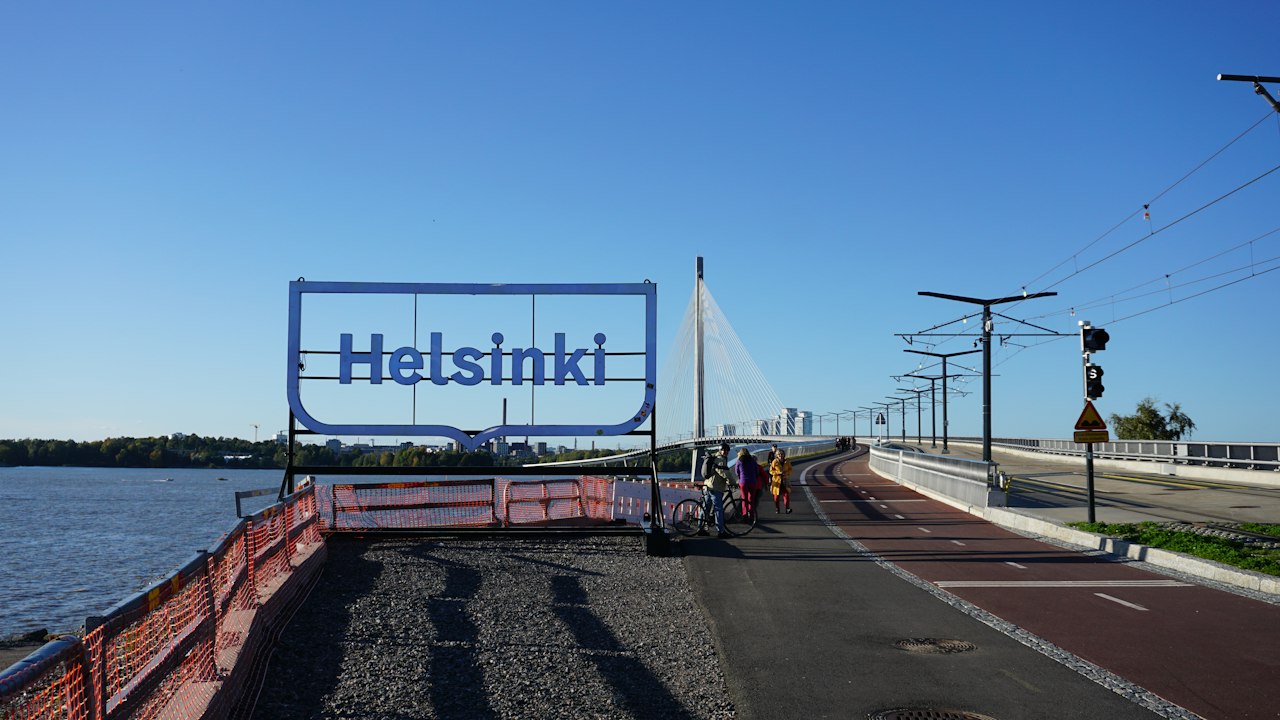
At Metro Rautatientori, the platform architecture and long passageways set the tone, with hard surfaces, directional lighting, and the station’s public-art atmosphere rather than a simple transit stop. Kamppi Chapel (Hiljaisuuden kappeli) is a small wooden oval that feels almost seal-like inside, with its curved interior and near-total hush standing out against the surrounding square. Temppeliaukio Church (Temppeliaukion kirkko) is the most dramatic interior on the route, its rough bedrock walls and copper dome showing exactly how the building was cut into the rock rather than built over it. In Sibelius Park (Sibeliuksen puisto), the bronze pipe sculpture catches the eye first, but the quieter part is the way the surrounding trees and paths open the route back up after the enclosed spaces. Tuomiokirkon krypta is lower and less formal than the cathedral above, with stone vaults and exhibition spaces that make the building’s mass feel visible from underneath, before Helsinki Cathedral (Tuomiokirkko) lifts the walk into white steps, green domes, and the broad Senate Square setting. SkyWheel Helsinki shifts the view outward over the harbor and roofs, and Design Museum finishes the route with a very different kind of interior: compact rooms, objects, and the careful domestic scale of Finnish design display.
The route
About a long half-day on foot, best walked from Metro Rautatientori toward Design Museum.
- Metro Rautatientori
- Kamppi Chapel (Hiljaisuuden kappeli)
- Temppeliaukio Church (Temppeliaukion kirkko)
- Sibelius Park (Sibeliuksen puisto)
- Tuomiokirkon krypta
- Helsinki Cathedral (Tuomiokirkko)
- SkyWheel Helsinki
- Design Museum (Designmuseo)
Paste it into the agent chat in Votura and it will build the map and the audio guide.
Before you go
This works best started in the morning, while the underground stations, chapels, and museum interiors are still quiet and there is enough daylight left for the open-air stretches. The walking itself is moderate rather than strenuous, but the route adds up because it includes stairs, transitions, and several stops where you slow down rather than just pass through. Metro Rautatientori and the cathedral area can be busy at rush hour and during peak sightseeing periods, while chapels, crypts, and museums may close earlier than the streets around them; opening days can also vary. A warm layer, comfortable shoes, and a backup for wet weather help, since Helsinki wind can be sharp even on a short transfer between stops.
Gilded Helsinki: Two Opulent Days Through Kaartinkaupunki and Ullanlinna
This route is a two-day sweep through central Helsinki, the Kaartinkaupunki and Ullanlinna waterfront districts, then out toward Töölö, Seurasaari, and finally across the harbor to Suomenlinna. It begins in the city center and keeps returning to places shaped by money, state power, and cultured public life: theaters, squares, museums, villas, and old club buildings. The walk earns its time because the distances between stops are part of the story, showing how the city’s elite institutions were laid out against parks, sea views, and formal streets.
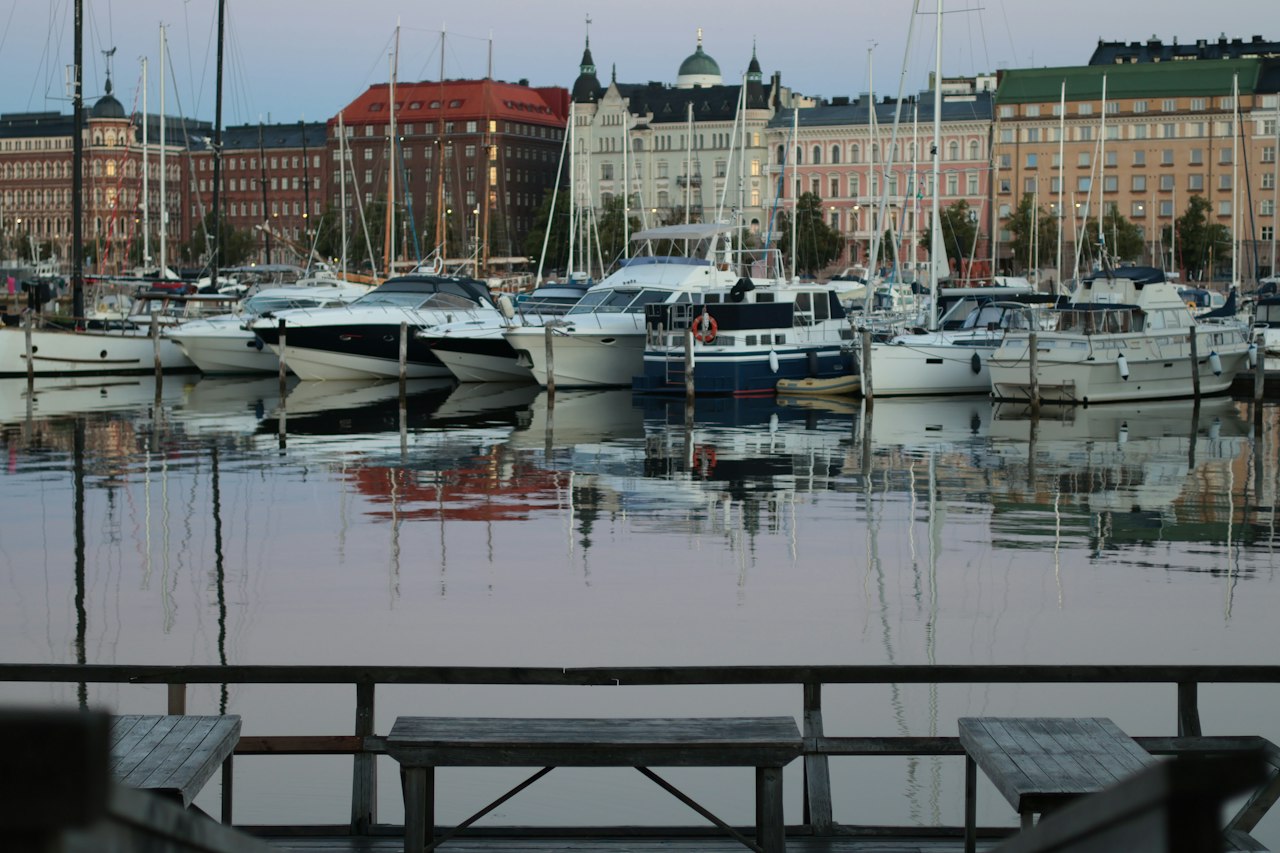
Ateneum sets the tone with its heavy neoclassical presence by the station, then Jääpuisto Ice Park breaks that formality with an open winter surface in the middle of the city. Svenska Teatern and Palace Unionsali bring in the city’s Swedish-speaking civic layer, while Tähtitorninmäki gives a rise in the terrain and wide views over rooftops and harbor water. Kaivopuisto opens into lawns and shore paths before the route tightens again at Senate Square, where the white facades of the square and Helsinki Cathedral make the most ordered ensemble on the route; nearby, the House of Nobility is worth pausing for because its exterior still reads like a private power structure set into the city. The National Museum of Finland changes the scale completely with its granite bulk and romantic tower, then Seurasaari Open-Air Museum shifts the focus to timber buildings and old rural Finland, before Villa Gyllenberg adds a more intimate villa-and-garden setting. HSL E1979 Vermo is a later, more specialized stop in the sequence, and Suomenlinna Fortress Ruins close the route with stone walls, scattered remains, and sea wind rather than urban polish.
The route
Allow two days, walking from Ateneum toward Suomenlinna, with the city center first and the farther sites last.
- Ateneum
- Jääpuisto Ice Park
- Svenska Teatern
- Palace Unionsali
- Tähtitorninmäki
- Kaivopuisto
- Senate Square (Senaatintori)
- Helsinki Cathedral (Tuomiokirkko)
- The House of Nobility (Ritarihuone)
- National Museum of Finland (Suomen kansallismuseo)
- Seurasaari Open-Air Museum (Seurasaaren ulkomuseo)
- Villa Gyllenberg
- HSL E1979 Vermo
- Suomenlinna Fortress Ruins (Suomenlinnan Rauniot)
Paste it into the agent chat in Votura and it will build the map and the audio guide.
Before you go
A morning start works best, especially in winter, because the route is spread across several neighborhoods and some outdoor sections depend on daylight. The walking itself is moderate to long, with a few steep or uneven stretches around Tähtitorninmäki, Seurasaari, and Suomenlinna, and the overall day is easier if combined with transit or a car between the more separated stops. Jääpuisto, Seurasaari, and interior museum spaces can be seasonal or have varying opening patterns, so it is worth checking before going; the same is true for smaller venues and club buildings that are not always open to the public. Bring shoes that handle cobblestones, wind, and wet pavement, especially near the harbor and on the island sections.
Hernesaari Greenway: A Two-Day Helsinki Cycling Tour
This route threads from Hernesaari on Helsinki’s waterfront through Lapinlahti, the market hall district, Kalasatama, Viikki, and finally to Aalto University. It is less a single sightseeing strip than a cross-section of the city’s recent development, moving from the harbor edge to old market architecture, then into newer residential and campus areas. The distance and repeated changes in setting make it a full day on foot or by bike, but the variety is what gives it value.
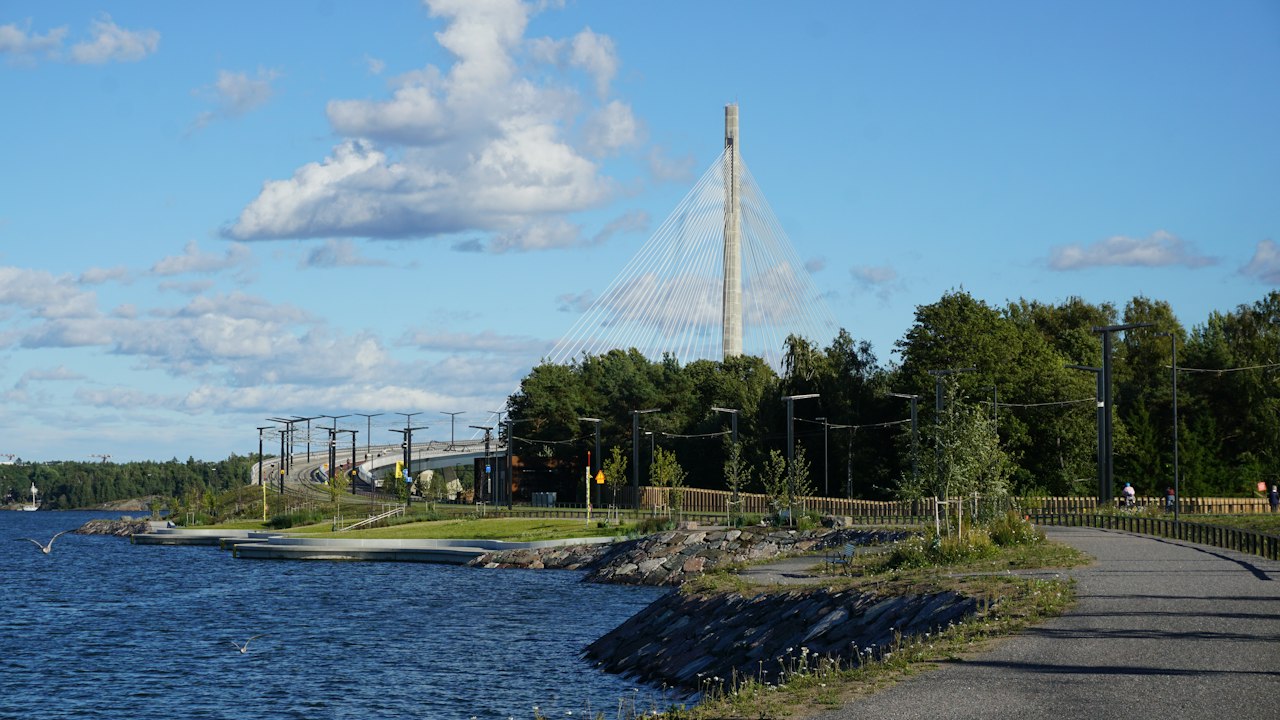
At Hernesaari areena, the first impression is the open seafront and the working-port feel around the docks, with wide asphalt, cranes, and water close by. Galleria Lapinlahti feels calmer: the old hospital buildings sit by the bay, and the shoreline path and parkland are what stay in mind. Back at Hernesaari, the route passes newer waterfront development, where the contrast between fresh apartment blocks and the exposed harbor landscape is easy to notice. Old Market Hall (Vanha Kauppahalli) changes the mood again, with its brick façade, compact interior, and the way the place still works as a food hall rather than a display piece. In Kalasatama, the high-rise skyline and newer streets make the district feel newly assembled, while Viikki / Vik is marked by more open green space and campus buildings with practical, low-rise lines. At Aalto University, the route ends among modern academic buildings and the Aalto-yliopisto station area, where the architecture and transit connection are the main things to look at.
The route
Allow a long day and follow it south-to-north, from Hernesaari to Aalto University.
- Hernesaari areena
- Galleria Lapinlahti
- Hernesaari
- Old Market Hall (Vanha Kauppahalli)
- Kalasatama
- Viikki / Vik
- Aalto University (Aalto-yliopisto)
Paste it into the agent chat in Votura and it will build the map and the audio guide.
Before you go
Starting in the morning makes the walk easier, because the route is long and the later stops feel more alive before shops and cafés thin out. The terrain is mostly flat, but the distance is substantial and there are long stretches of pavement and roadside walking, so it is more tiring than it first appears. Old Market Hall and some campus or retail spaces can have shorter hours than the outdoor parts of the route, and the quieter waterfront sections can feel empty outside the day. Bring water, a light layer against the sea wind, and enough time that the route does not feel rushed.
How to Start Your Helsinki Tour with Votura
- Open Votura and tap Explore
- Search for Helsinki or let the app detect your location
- Browse available tours or tap Generate to create a custom tour
- Hit Play and follow the audio guide stop by stop
All tours include audio narration, a route map, and estimated stop times. Download any tour for offline access before you travel.
Sources
- Top Attractions in Helsinkimyhelsinki.fi
- The official website of Suomenlinnasuomenlinna.fi
- Helsinki Art Museum (HAM)hamhelsinki.fi
- Discover Helsinki, the capital of Finland | Visit Finlandvisitfinland.com
- Free-time activities in Helsinki – tips for newcomers | City of Helsinkihel.fi
- The Senate Square | City of Helsinkihistoria.hel.fi
Frequently Asked Questions
What are the must-see places in Helsinki mentioned in this guide?
The guide highlights Helsinki Cathedral, Senate Square, Market Square, Uspensky Cathedral, Oodi Library, and Temppeliaukio Church. These places show the city’s mix of landmark architecture, sea views, Finnish design, and harbor life.
Where is Helsinki Cathedral located?
Helsinki Cathedral rises above Senate Square in central Helsinki. The post describes it as the first landmark most people notice, with a white stair-stepped façade and green dome.
How long is the central highlights route in Helsinki?
The post describes it as a compact circuit through central Helsinki that stays in the city core. It links the cathedral hill, the harbor edge, and Temppeliaukio Church with short moves between stops.
When is the best time to visit Helsinki’s main sights?
The post says early morning usually gives the easiest walk. It also notes that this time brings softer light on Senate Square and fewer crowds around the harbor.
Can you explore Helsinki’s highlights on foot or by tram?
Yes, the guide says Votura AI can generate audio tours matched to your transport preference, including foot or tram routes. It also mentions shorter focused routes, so you can explore without missing the essentials.
Hear this city out loud
Votura turns the places in this guide into a self-guided audio tour you can follow at your own pace.