Must-See Places in Stockholm: Your Complete Audio Tour Guide
From iconic landmarks to hidden corners — explore everything Stockholm has to offer with Votura's self-guided AI audio tours.

Stockholm is a city of islands, royal history, and striking design, where the must-see sights are as memorable as the waterways between them. From the cobbled lanes of Gamla Stan and the Royal Palace to the Vasa Museum, City Hall, and the waterfront around Djurgården, its landmarks reveal the city’s story at every turn.
Why Stockholm Belongs on Every Traveller's Bucket List
This guide focuses on the iconic stops that define Stockholm, along with the cultural highlights that give it character, whether you’re tracing medieval streets, admiring modern architecture, or visiting world-class museums. Votura AI generates audio tours matched to the traveller’s time, transport preference, and chosen theme, so you can explore Stockholm at your own pace with the sights that matter most.
Stockholm’s Dark Justice Walk: From Bloodbath Memory to Prison Reform
This walk follows Stockholm’s older machinery of judgment, from royal authority in Gamla Stan to the modern court landscape and the former prison grounds at Långholmen. It runs through the medieval core, across the city’s administrative edge, and south to Södermalm and the islands beyond, so the route changes character as the city changes era. The value of it is in the sequence: scaffold memory, court architecture, police and prisons, then reform, all still legible in the streets. It is less a sightseeing loop than a reading of how punishment was moved, formalized, and eventually softened.
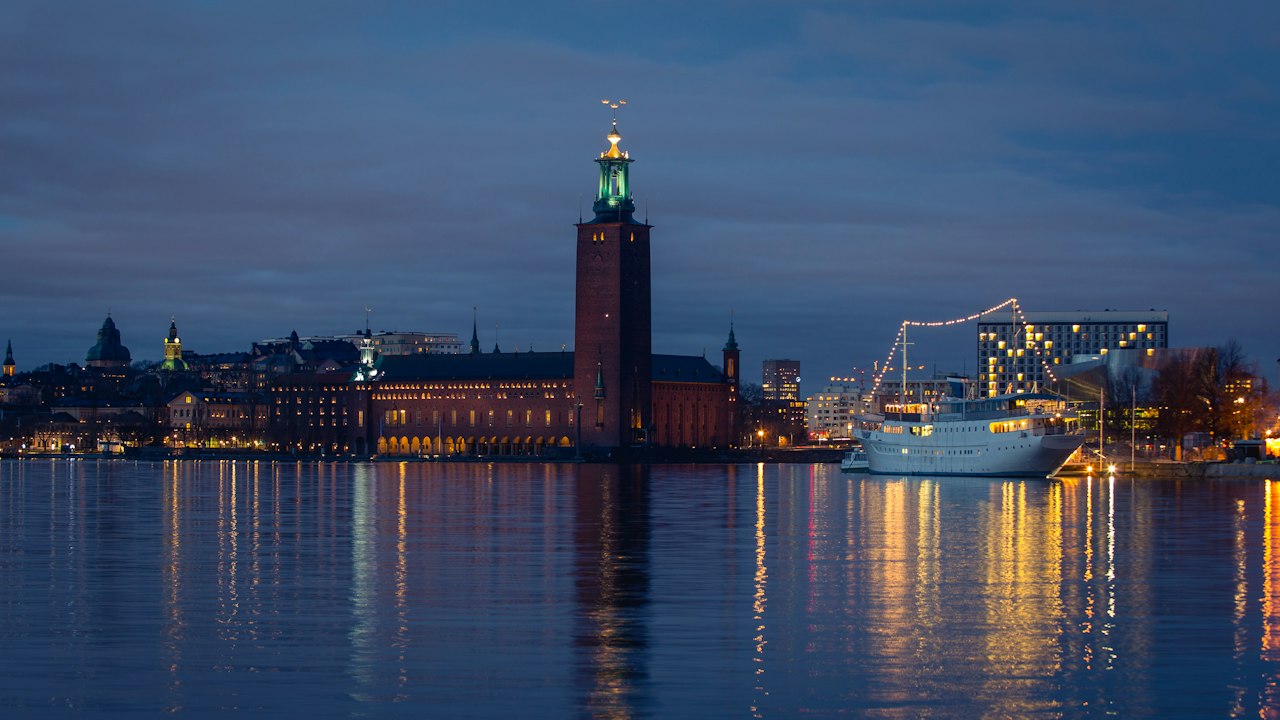
At the Museum of Medieval Stockholm, the underground setting and fragments of the old city wall put the early city under your feet before you reach the palace district. The Royal Palace and Storkyrkan sit close enough that the relationship between crown, church, and authority reads in one glance, while Stortorget still carries the memory of the Stockholm Bloodbath in the square’s tight scale. Riddarhuset is worth slowing for because the long facade and heraldic interior make class privilege visible in a way the newer city does not. At the Stockholm City Museum and later S:ta Maria Magdalena kyrka, the transition from civic record to parish ground is sharp, and the churchyard gives the route a quieter register amid Södermalm’s dense streets. Skeppsholmen changes the tone again with water, open space, and institutional buildings, before Polismuseet and Stockholms tingsrätt bring the walk into the language of modern policing and court procedure. Långholmen closes the route with the prison walls, island setting, and museum buildings that make reform feel less abstract than it sounds on paper.
The route
Best walked in two days, from Gamla Stan southward to Långholmen.
- Museum of Medieval Stockholm (Medeltidsmuseet)
- The Royal Palace (Kungliga slottet)
- Storkyrkan
- Stortorget
- Riddarhuset
- The Stockholm City Museum (Stockholms Stadsmuseum)
- S:ta Maria Magdalena kyrka
- Skeppsholmen
- Polismuseet
- Stockholms tingsrätt
- Långholmen
- Långholmen Prison Museum (Långholmens fängelsemuseum)
Paste it into the agent chat in Votura and it will build the map and the audio guide.
Before you go
Starting early helps, especially if the route is spread over two days, because Gamla Stan and the central crossings fill up later and the light is better for the older stone streets. The walking itself is moderate rather than strenuous, but the full line includes enough distance and pauses that it is easier in sections than as a single push. Museums and church interiors can be closed or partially restricted on certain days, so the route works best when treated as a street-based walk with interior visits as bonus stops. Bring comfortable shoes, water, and a layer for wind off the water, especially around Skeppsholmen and Långholmen.
Stockholm’s Women Who Moved the City: A 2-Day Trail of Power, Print, and Public Space
This trail links a set of Stockholm addresses where women’s public influence was argued, printed, staged, and remembered. It runs from the museum and parliament buildings near the old city edge and Norrmalm, through Östermalm’s libraries and squares, then north to study halls and hilltop observatories before ending in the city’s eastern cemetery landscape. The route makes sense because the places are close enough to walk, but they belong to different kinds of public life: law, art, education, print, and memorial space. It feels like a map of how feminist politics moved from salons and associations into institutions.
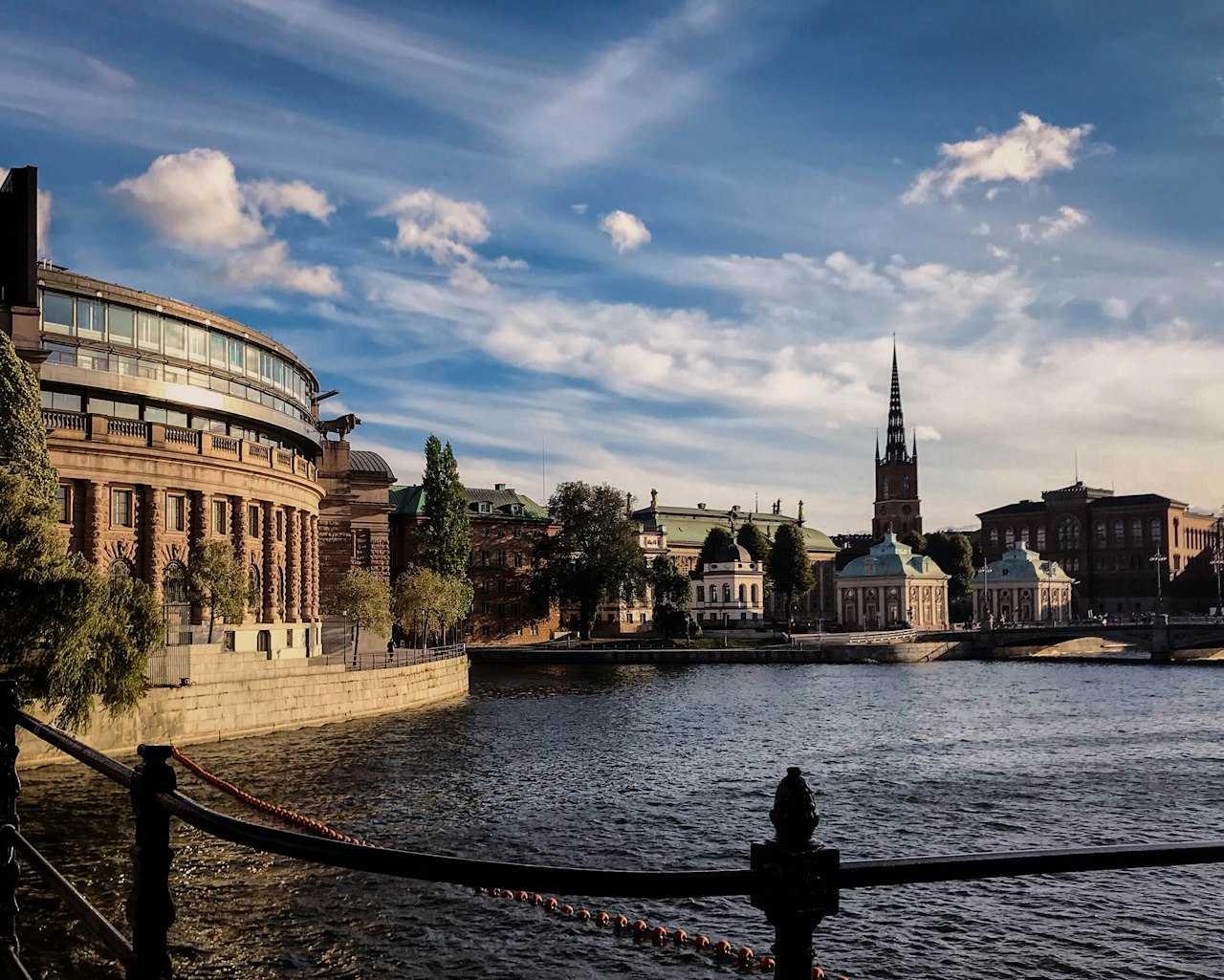
At Medelhavsmuseet, the opening feels quieter than the subject matter; the building sits in the city fabric rather than announcing itself, which suits a route about institutions that women had to enter and reshape. Riddarhuset and the Old Parliament House make the political setting unmistakable, with formal façades that still read as power buildings even before you know the names attached to them. Nationalmuseum and the Royal Dramatic Theatre shift the tone from state to culture: the museum’s long waterfront presence and the theatre’s grand frontage mark where art and public argument met. Norrmalmstorg, the National Library of Sweden, and Humlegården bring the route into a more everyday city scene; the square, the book-lined calm of the library, and the park’s open paths show how ideas moved between reading rooms and streets. ABF-huset, Observatorielunden, and Stockholm Public Library are the clearest set for the trail’s intellectual history, especially the contrast between ABF’s civic work, the hill’s views over traffic and rooftops, and Gunnar Asplund’s round library rotunda. Historiska Museet and Skogskyrkogården end the walk with the widest scale: the museum’s collections frame the city’s long memory, while Skogskyrkogården turns the final stop into a landscape of trees, paths, and graves rather than a single monument.
The route
Best walked in two days, northbound from Medelhavsmuseet to Skogskyrkogården.
- Medelhavsmuseet
- Riddarhuset
- Old Parliament House (Gamla riksdagshuset)
- Nationalmuseum
- The Royal Dramatic Theatre (Kungliga Dramatiska Teatern)
- Norrmalmstorg
- National Library of Sweden (Kungliga Biblioteket)
- Humlegården
- ABF-huset
- Observatorielunden
- Stockholm Public Library (Stadsbiblioteket)
- Historiska Museet
- Skogskyrkogården
Paste it into the agent chat in Votura and it will build the map and the audio guide.
Before you go
Starting in the morning makes the route easier, because the daylight helps on the longer stretches between Östermalm, Norrmalm, and the southern cemetery sections. It is a full walk but not a hard one, with mostly level city streets and a few park paths; the main strain is simply the distance spread over two days. Several stops are museums, libraries, or institutions with their own hours, and some interiors may be closed when you pass, so it works best as an exterior-led route with optional entries. Bring water, a charged phone or map, and layers for wind along the waterfront and in open green spaces.
Stockholm's Gilded Past & Present: Two-Day Walk from Grand Hôtel to Nybrogatan Couture
This walk links the royal and civic center of Stockholm with the fashion and salon culture of Östermalm. It starts by Nybroviken at the Grand Hôtel, crosses into Gamla Stan, loops through the old power quarter around the palace and the Riddarholm church, then returns across the bridges toward the stone civic façades of the north bank and ends at Nybrogatan. The route is less about one single storyline than about moving through layers of power: monarchy, merchants, noble houses, museums, and then the present-day shopping streets. It earns the time because the distance is short enough to walk comfortably, but the buildings and street shifts make the city’s social history very legible.
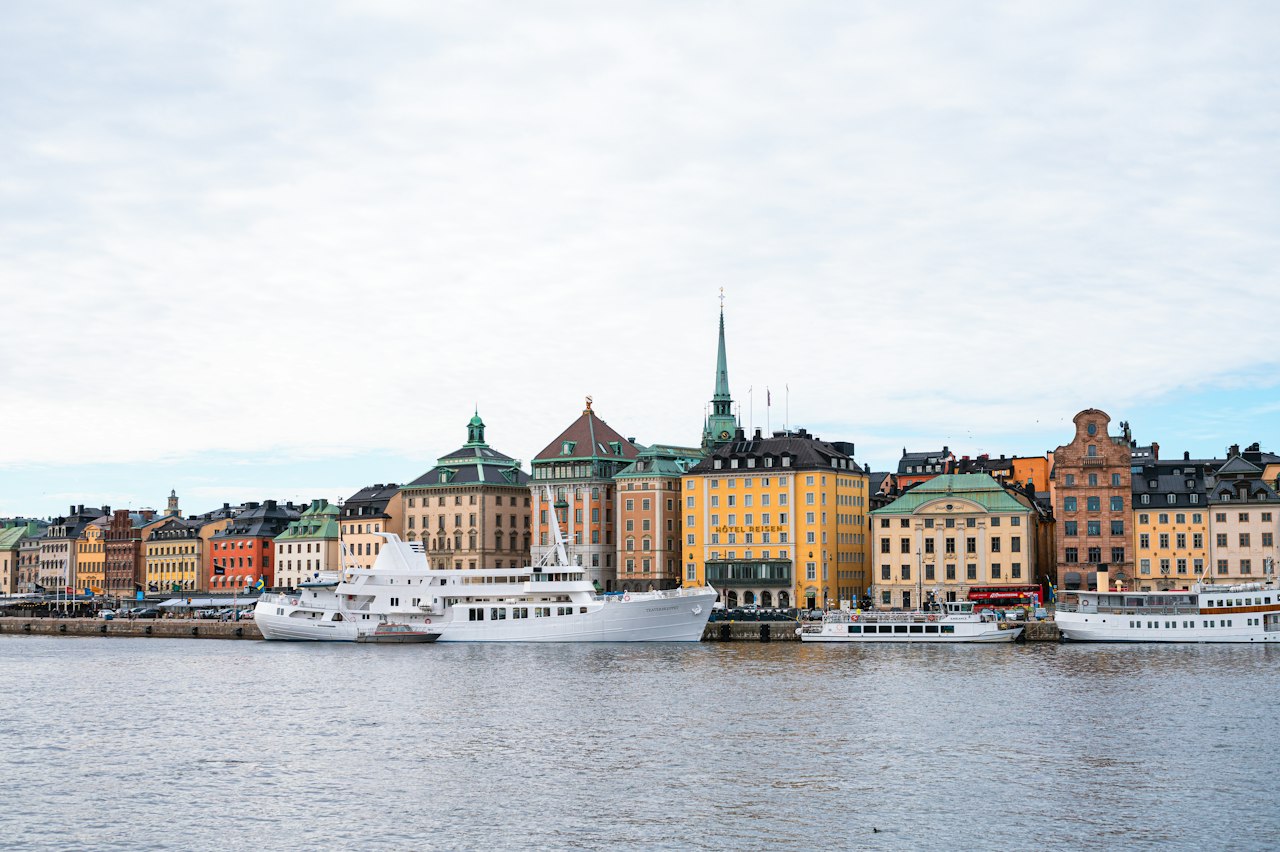
The Royal Palace (Kungliga slottet) dominates the opening stretch with its long baroque frontage and the ceremonial scale of the courtyards. Nobel Museum (Nobelmuseet) at Stortorget adds a tight contrast, where the old exchange building and narrow square frame the Nobel story rather than a grand monument. Around Stortorget and Gamla Stan, the useful thing to notice is the masonry and the tilted medieval street pattern, with painted façades pressed together around very narrow lanes. Riddarholmskyrkan is different again: its brick tower and iron crown give the skyline a grave, almost austere profile, while Stenbockska Palatset and Riddarhuset show how aristocratic status was once expressed in formal town palaces and a carefully staged noble house. The Royal Armoury (Livrustkammaren) shifts the tone from architecture to objects, then Nationalmuseum brings the walk back to the waterfront with its neo-Renaissance mass on Blasieholmen. The Hallwyl Museum (Hallwylska museet) is the strongest reminder of late-19th-century wealth in domestic form, and the final stretch to Stureplan and Nybrogatan turns that same money into storefronts, clubs, and polished street life.
The route
Allow two days, walking from the Grand Hôtel toward Nybrogatan via Gamla Stan and the north-bank museums.
- The Royal Palace (Kungliga slottet)
- Nobel Museum (Nobelmuseet)
- Stortorget
- Gamla Stan
- Riddarholmskyrkan
- Stenbockska Palatset
- Riddarhuset
- The Royal Armoury (Livrustkammaren)
- Nationalmuseum
- The Hallwyl Museum (Hallwylska museet)
- Stureplan
- Nybrogatan
Paste it into the agent chat in Votura and it will build the map and the audio guide.
Before you go
I would start in the morning, when Gamla Stan is still relatively quiet and the light reaches the façades across the water. The walking itself is not difficult, but the route includes cobbles, bridge crossings, and a few places where the old streets are uneven underfoot. The museum stops and churches can be busy or have limited access depending on the day, so it helps to check opening hours in advance rather than assume a same-day visit will work. A light layer, comfortable shoes, and some water are enough for the walking part, with a bit of flexibility for pauses in the palace area and along Nybroviken.
Stockholm Cultural Highlights
This route threads together central Stockholm’s green spaces, turn-of-the-century city architecture, and several of Djurgården’s major museums. It starts in Kungsträdgården, crosses the inner city past the Hallwyl Museum and the Army Museum, then continues east toward Östermalm and over to Djurgården for Hedvig Eleonora kyrka, Historiska Museet, Junibacken, and the Vasa Museum. The walk makes sense if you want to see how the city shifts from civic park to museum district to waterfront. It is long enough to feel like a full day, but the distance is broken up by indoor stops and frequent places to pause.
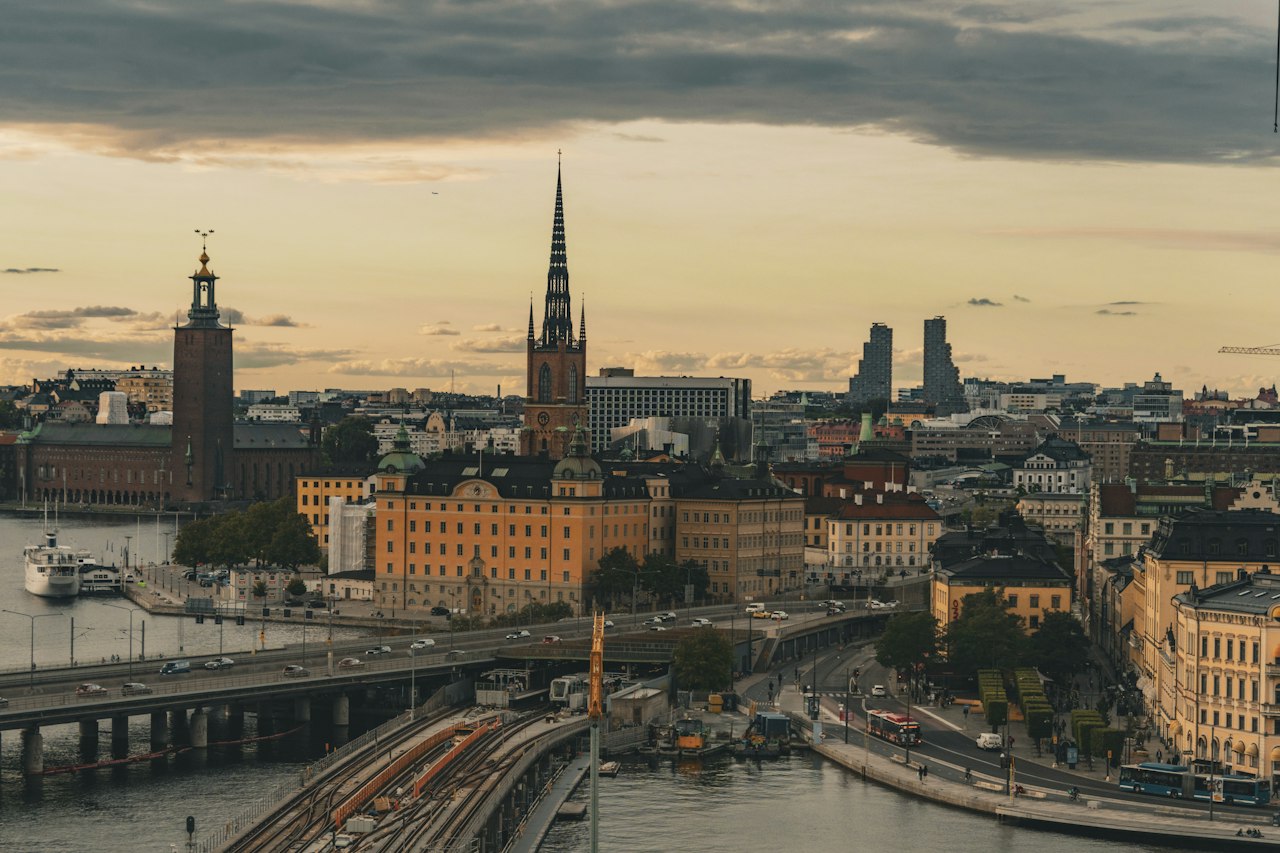
Kungsträdgården is the most open, public beginning, with its tree-lined paths and central fountain area setting the tone before the route heads into denser streets. The Hallwyl Museum (Hallwylska museet) is worth noticing for its intact early-20th-century townhouse exterior, which still reads as an urban mansion tucked into the city center. At the Army Museum (Armémuseum), the building itself is part of the experience, and the approach toward Östermalm gives a sense of the route leaving the older commercial core behind. Hedvig Eleonora kyrka appears as a solid baroque landmark, and the square around it is a useful pause before the museum stretch on Djurgården. Historiska Museet brings you to a more monumental museum setting, while Junibacken changes the mood with its playful waterfront presence and views across the water. The Vasa Museum (Vasamuseet) ends the sequence with the ship itself as the main object, and the scale of the hall is the part that stays in mind.
The route
Allow a full day; walk from Kungsträdgården eastward to the Vasa Museum.
- Kungsträdgården
- The Hallwyl Museum (Hallwylska museet)
- Army Museum (Armémuseum)
- Hedvig Eleonora kyrka
- Historiska Museet
- Junibacken
- Vasa Museum (Vasamuseet)
Paste it into the agent chat in Votura and it will build the map and the audio guide.
Before you go
A morning start helps, because the route only feels manageable when there is daylight and enough time to stop inside the museums without rushing. The walking itself is moderate rather than difficult, with mostly flat streets and park paths, though the full line between central Stockholm and Djurgården is long enough to leave your feet tired by the end. The busiest stretches are usually around the museum area on Djurgården and the approach to the Vasa Museum, while museum opening days and seasonal hours can vary, especially outside summer. Bring water, weather protection, and comfortable shoes, since the route mixes paved sidewalks, park paths, and some waterfront sections exposed to wind.
Stockholm Essentials: Gamla Stan to Djurgården and Södermalm on Foot
This route is a two-day walk that links central Stockholm’s royal core, the waterside edges of Östermalm and Djurgården, and the older streets of Gamla Stan and Södermalm. It runs from Stockholm Royal Palace through Kungsträdgården and across to Djurgården, then finishes back in the old town and up to the viewpoints on Södermalm. The sequence makes sense on foot because the districts connect by bridges and embankments rather than long detours. It earns the time because the city changes character several times without ever feeling disconnected.
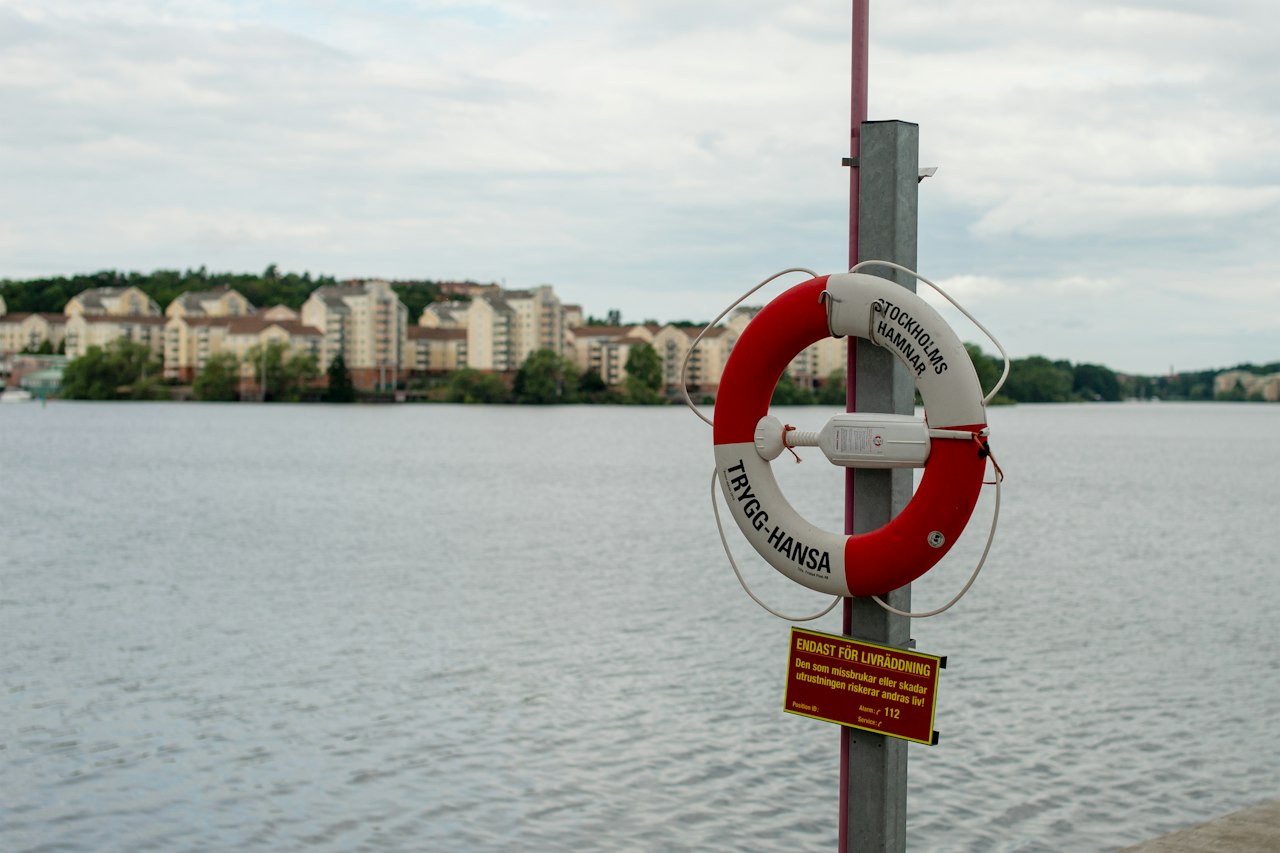
At Stockholm Royal Palace, the scale is the first thing that lands, especially the long façades facing the water and the formal courtyard around the guards. Kungsträdgården follows as a straight, tree-lined park where the open middle contrasts with the traffic and shops around it. The Royal Dramatic Theatre stands out for its pale stone, deep windows, and the broad steps facing the boulevard, while Hedvig Eleonora kyrka gives a quieter pause with its round plan and dome set among Östermalm blocks. Karlaplan is all about the broad oval and the small fountain at its center before the route turns toward Djurgården, where the Nordic Museum’s heavy, castle-like mass leads into Vasamuseet and its enormous ship hull inside, then the ABBA The Museum / Swedish Music Hall of Fame area with its modern, more playful frontage. Skansen stretches the visit outward with wooden buildings and changing views across the water, then Katarinahissen shifts the mood again with its lift structure and the sightlines over the harbor. In Gamla Stan, Stortorget’s narrow, gabled façades feel compressed and colorful, Storkyrkan adds the dark brick mass and tall interior proportions, and Riddarholmskyrkan closes the old-city section with its iron spire and the open water around it. Monteliusvägen ends the walk with a long terrace edge and wide views back over the city roofline and the lake.
The route
Plan on two days; walk it from the palace toward Södermalm, then loop back through Gamla Stan.
- Stockholm Royel Palace
- Kungsträdgården
- The Royal Dramatic Theatre (Kungliga Dramatiska Teatern)
- Hedvig Eleonora kyrka
- Karlaplan
- The Nordic Museum (Nordiska museet)
- Vasamuseet Interglot
- ABBA The Museum / Swedish Music Hall of Fame
- Skansen
- Katarinahissen
- Stortorget
- Storkyrkan
- Riddarholmskyrkan
- Monteliusvägen
Paste it into the agent chat in Votura and it will build the map and the audio guide.
Before you go
Starting in the morning helps because the route includes several places where time is lost to lines, crossings, or lingering views, and the daylight matters on the waterfront and at Monteliusvägen. The walk is fairly long but not technically hard; the main effort comes from covering several districts in one sequence and from the cobbles in Gamla Stan. The busiest parts are usually around Stockholm Royal Palace, Stortorget, and the museums on Djurgården, while churches and viewpoints can be quieter outside peak times. Good shoes, a layer for wind off the water, and enough water for a full day’s walking are useful.
Velvet Waterfronts: Stockholm’s Elite Arc from Strandvägen to Djurgården
This is a two-day walk through central Stockholm’s polished water edge and the older social geography behind it, beginning in the city center and moving out toward Djurgården before returning to the inner city. It runs from the Royal Armoury and the Royal Dramatic Theatre past Hedvig Eleonora kyrka and along Strandvägen, then across Djurgården to a cluster of museums, the open parkland around Skansen and Rosendals slott, before ending at Stureplan and City Hall. What makes it worth the time is the way the route links formal institutions, private wealth, and waterborne views without forcing much backtracking. The distance is best treated as a slow walk with museum stops rather than a single continuous march.
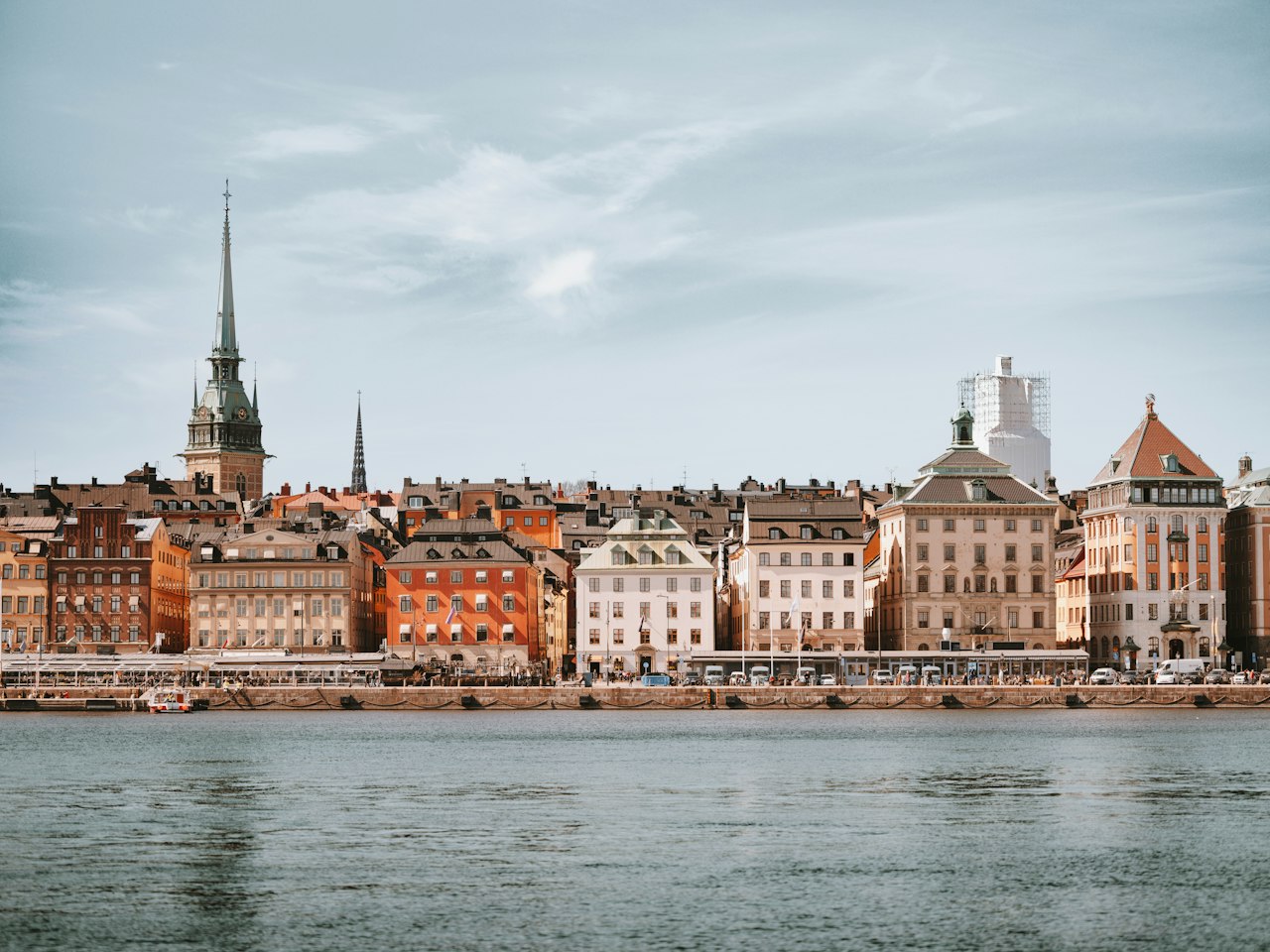
At the Royal Armoury, the displays of coronation regalia and court dress set the tone immediately: this is Stockholm as state theater. The Royal Dramatic Theatre gives a different kind of grandeur, with its pale facade and the heavy, ceremonial feeling of the entrance on Nybroplan. Hedvig Eleonora kyrka sits in contrast, quieter and more domestic in scale, with its brick bulk and the sense that it serves the Strandvägen neighborhood more than it advertises itself. Strandvägen itself is the long, exacting promenade, where the waterfront apartments, old stone fronts, and winter light on moored boats make the street feel like a formal parade route. On Djurgården, the Historiska Museet, Berwaldhallen, and the Nordic Museum sit in a sequence of institutional heaviness, each one large and deliberate; the Nordic Museum’s dark tower is the most unmistakable landmark in the group. The Vasa Museum, Skansen, and Rosendals slott shift the mood from monument to open-air landscape, with the preserved warship, the hillside pathways, and the palace’s quiet setting giving the walk its most varied textures.
The route
Best done over two days, walking from central Stockholm out to Djurgården and back by way of Stureplan.
- The Royal Armoury (Livrustkammaren)
- The Royal Dramatic Theatre (Kungliga Dramatiska Teatern)
- Hedvig Eleonora kyrka
- Strandvägen
- Historiska Museet
- Berwaldhallen
- The Nordic Museum (Nordiska museet)
- Vasa Museum (Vasamuseet)
- Skansen
- Rosendals slott
- Stureplan
- Stockholm City Hall (Stockholms Stadshus)
Paste it into the agent chat in Votura and it will build the map and the audio guide.
Before you go
Starting in the morning works best, especially if daylight matters, since Strandvägen and Djurgården are much better on foot when there is enough light to register the water and facades. The walking itself is moderate rather than strenuous, but the route is long enough that museum visits and pauses are part of the design. The busiest sections tend to be around Nybroplan, the Djurgården museum cluster, and Stureplan; some interiors may have shorter winter hours or limited access on certain days, so it is worth checking each stop in advance. Comfortable shoes and a layer against wind off the water are the main practical needs.
How to Start Your Stockholm Tour with Votura
- Open Votura and tap Explore
- Search for Stockholm or let the app detect your location
- Browse available tours or tap Generate to create a custom tour
- Hit Play and follow the audio guide stop by stop
All tours include audio narration, a route map, and estimated stop times. Download any tour for offline access before you travel.
Sources
- Visit Stockholm City Hall - City of Stockholmstadshuset.stockholm
- The City Hall | Visit Stockholmvisitstockholm.com
- Stockholm City Museum – City of Stockholmstadsmuseet.stockholm
- Royal Domain of Drottningholm - UNESCO World Heritage Centrewhc.unesco.org
- What to see and do in Stockholm - Top attractions in Stockholmstockholm.net
Frequently Asked Questions
What are the must-see places in Stockholm mentioned in this guide?
The post highlights Gamla Stan, the Royal Palace, the Vasa Museum, City Hall, and the waterfront around Djurgården as key places to see. It also mentions the Museum of Medieval Stockholm, Storkyrkan, Stortorget, Riddarhuset, the Stockholm City Museum, S:ta Maria Magdalena kyrka, Skeppsholmen, Polismuseet, Stockholms tingsrätt, and Långholmen.
Where does the Stockholm Dark Justice Walk start and end?
The walk begins in Gamla Stan, where the route focuses on royal authority and older systems of judgment. It ends at Långholmen, where the prison walls and island setting close the route with the story of prison reform.
How does Votura AI help plan an audio tour of Stockholm?
Votura AI creates audio tours based on the traveller’s available time, transport preference, and chosen theme. This lets you explore Stockholm at your own pace while focusing on the sights that matter most to you.
Why is Gamla Stan important in this Stockholm guide?
Gamla Stan is important because it holds many of Stockholm’s historical landmarks and anchors the city’s older story. The post points to the cobbled lanes, the Royal Palace, Storkyrkan, and Stortorget as places where royal power, the church, and the memory of the Stockholm Bloodbath are still visible.
Is the Stockholm Dark Justice Walk mainly a sightseeing route?
No, the post describes it as more than a sightseeing loop. It is presented as a route for understanding how punishment was moved, formalized, and eventually softened across Stockholm’s streets and institutions.
Hear this city out loud
Votura turns the places in this guide into a self-guided audio tour you can follow at your own pace.