Free Things to Do in Montevideo: A Self-Guided Walking Guide
The best genuinely free attractions in Montevideo — parks, viewpoints, markets, and landmarks — ordered into a self-guided walking route you can follow today.

Montevideo is a city that gives a lot away for free: long stretches of riverfront promenade, breezy plazas, open-air markets, and handsome old buildings that are best admired from the sidewalk. On a self-guided walk, you can move from the pastel facades of Ciudad Vieja to the wide views along the Rambla without spending a cent, soaking up the city’s calm, lived-in atmosphere along the way.
Why Montevideo Rewards Travellers on a Zero Budget
That makes Montevideo especially good for travelers who want to explore at their own pace, choosing scenic routes, architectural highlights, or market districts depending on the day. Votura AI generates audio tours matched to the traveller's time, transport preference, and chosen theme, so it’s easy to build a free walking route around exactly what you want to see.
Rambla of Montevideo
The Rambla is the long seafront edge of Montevideo, running beside the Río de la Plata. In front of you there is usually a wide promenade, traffic moving parallel to the coast, low walls, rocks, beaches, and long views rather than a single focal monument. What stands out is how much of daily city life is organized around it: walking, fishing, sitting, biking, and watching the water are all part of the scene.
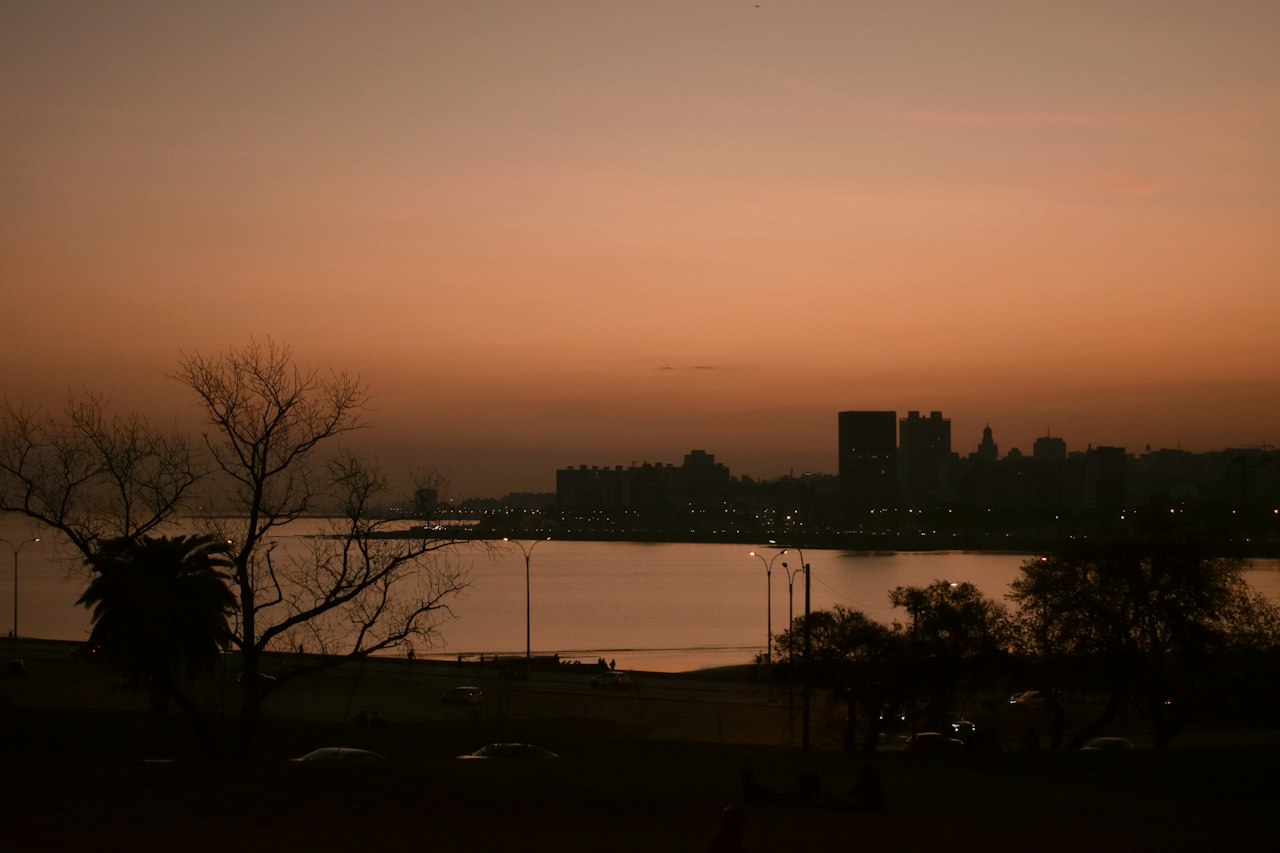
It is busiest in late afternoon and around sunset, when people come out to walk, exercise, or sit by the water. A visit can be as short as a few minutes from one viewpoint or much longer if you keep moving along the shore. It connects naturally to beaches, neighborhoods, and parks all along the waterfront, so it often becomes part of a larger walk rather than a standalone stop.
Parque Rodó
Parque Rodó is a large urban park that mixes lawns, trees, a lake, paths, and recreational areas. You will see people walking, exercising, picnicking, and children using the playgrounds, with the water and old trees giving the park a settled, everyday feel. One detail worth noticing is how the park sits between recreation and city life, with streets, cultural buildings, and the coast close by.
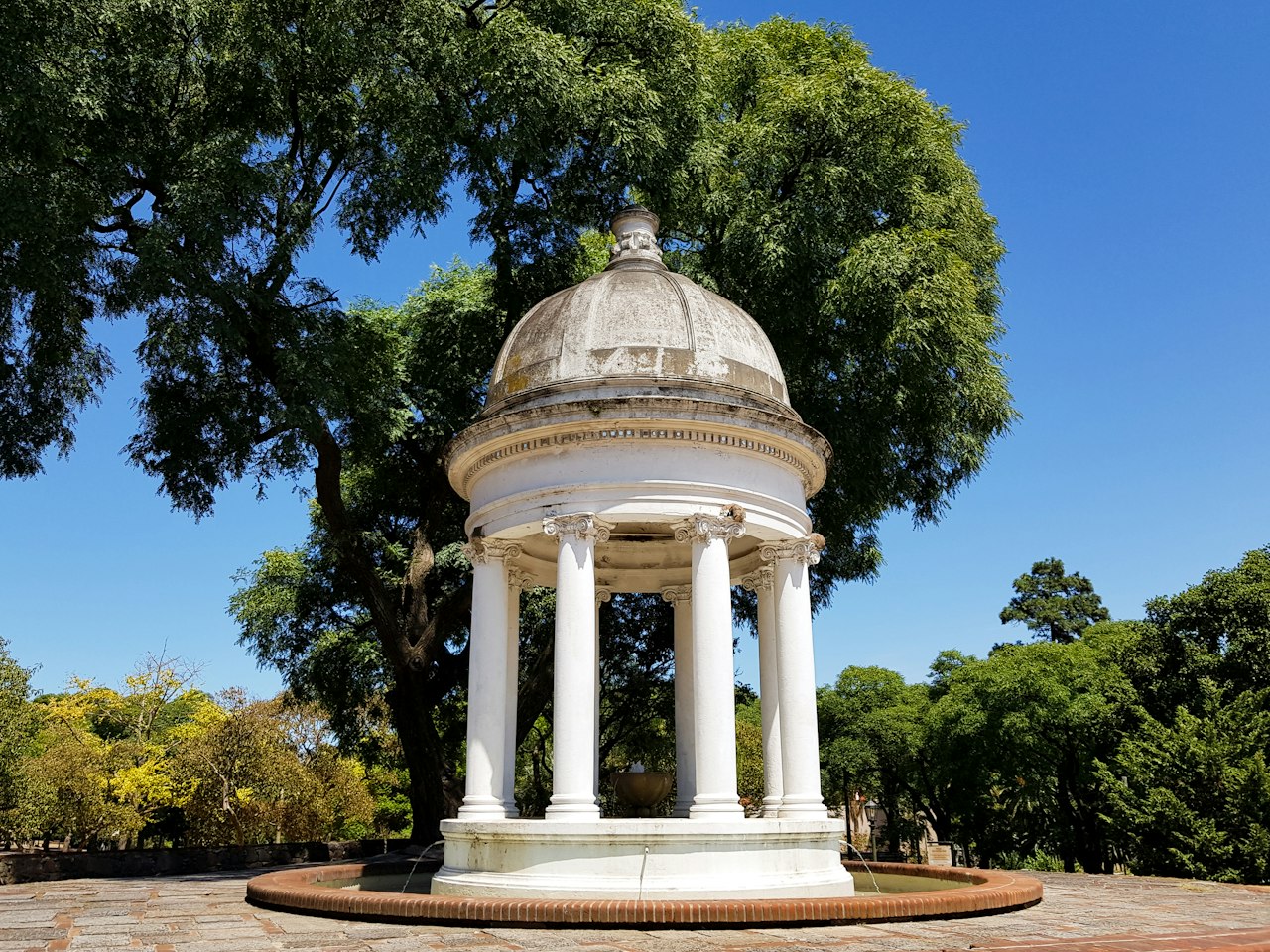
It is generally quieter in the morning and busier on weekends and in the late afternoon. People often spend from half an hour to a couple of hours, depending on whether they are just passing through or staying by the lake and paths. It is close to the Rambla, the Museo Nacional de Artes Visuales area, and the university district, so it fits easily into a broader walk through the eastern part of the center.
Plaza Independencia
Plaza Independencia is the main square linking Ciudad Vieja with the rest of central Montevideo. In front of you are likely to see open paving, the statue of Artigas, the gateway to the old city, and a mix of historic and modern buildings around the edges. What is easy to miss is that the square functions less like a park and more like a threshold between different parts of the city.
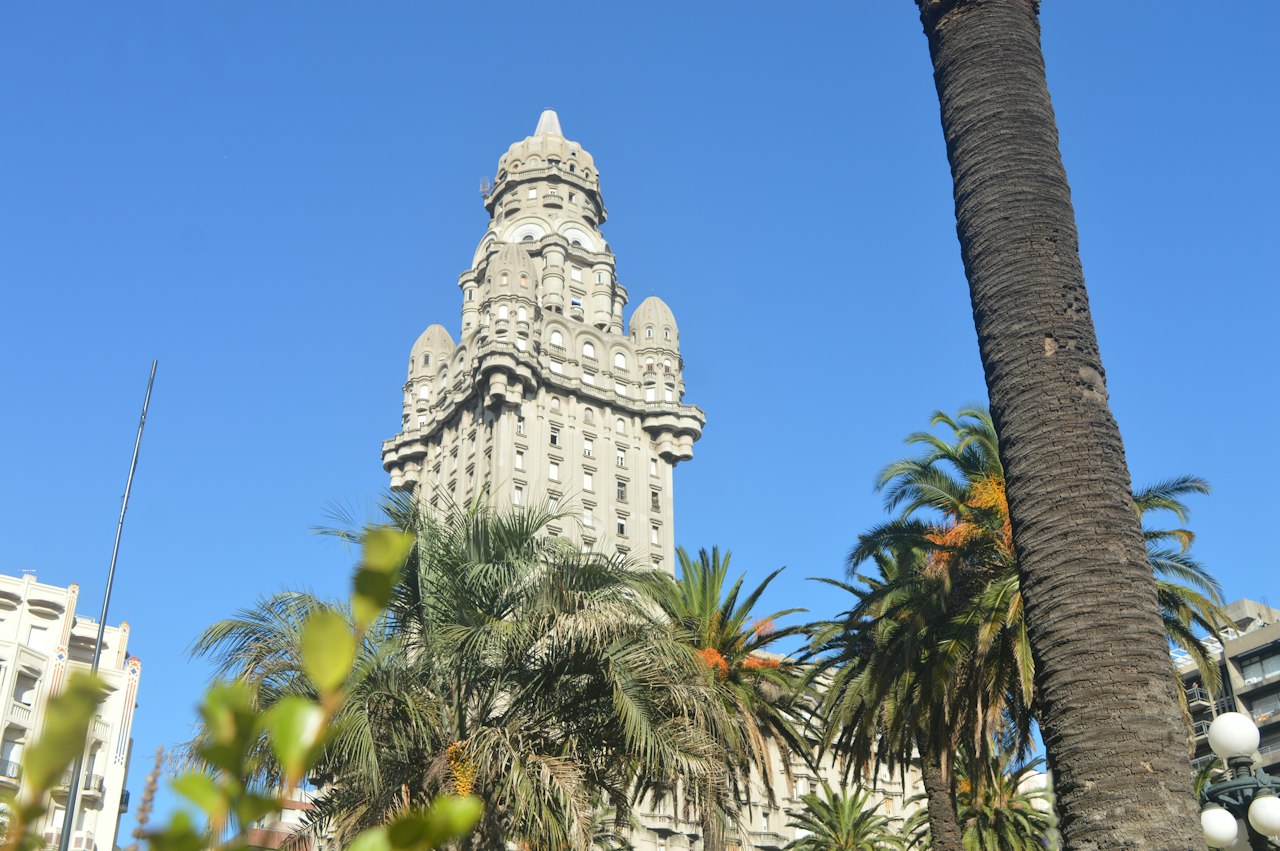
It tends to be active during the day because it is a crossing point for pedestrians, vehicles, and workers moving between downtown and the old town. Many people stay only long enough to look around or pass through, though others linger to orient themselves before walking into Ciudad Vieja. It connects directly to the old city, the Solís Theatre area, and Avenida 18 de Julio, so it is often the starting point for nearby sightseeing on foot.
Ciudad Vieja
Ciudad Vieja is the historic core of Montevideo, with narrow streets, older buildings, plazas, and a street pattern different from the newer parts of the city. What you actually see varies block by block: restored façades, empty storefronts, offices, cafés, and quieter side streets beside more active main routes. The detail worth noticing is the contrast between the formal heritage center and the ordinary working city that still operates inside it.
It is busiest on weekdays in business hours and around lunch, while some streets become much quieter in the evening and on certain weekends. Visitors often spend one to three hours walking, depending on how many plazas, churches, and museums they include. It is closely tied to Plaza Independencia, Mercado del Puerto, the port area, and several museums, so it works best as a walking district rather than a single stop.
Mercado del Puerto
Mercado del Puerto is a historic market building in Ciudad Vieja, known today mainly for its restaurants and grills. Inside and around it you will see iron structure, smoke from parrillas, tables packed closely together, and a crowd made up of visitors and office workers at mealtimes. The part worth noticing is that it still feels like a market building in form, even though its everyday use is now centered on eating rather than selling produce.
It is liveliest at lunch and on weekends, when the restaurants are busiest and the area fills with people. Many visitors spend about an hour, or longer if they sit down to eat. It is very close to the port and other sights in Ciudad Vieja, so it is usually combined with a walk through the old streets rather than visited alone.
Catedral Metropolitana de Montevideo
The Catedral Metropolitana is the main Catholic church in Montevideo, facing one of the central squares in Ciudad Vieja. Outside you will see a formal façade and an open plaza; inside, if accessible, the space is defined by its columns, altars, and the quieter atmosphere of an active church. The detail that stands out is how the cathedral remains part of the civic center, not separated from it, with daily city movement right outside its doors.
It is usually quieter outside mass times and busier when services are taking place or when people are crossing the plaza. A visit often takes 15 to 30 minutes unless you stay longer to sit or look around the square as well. It sits very close to Plaza Constitución and other central sites in Ciudad Vieja, so it is easy to include on a short walking circuit.
Callejón de la Universidad
Callejón de la Universidad is a narrow passage in Ciudad Vieja associated with the old university complex. What you see is a confined urban lane rather than a broad street, with historic walls, doors, and a sense of enclosure that makes the surrounding buildings more noticeable. The detail worth noticing is the change in scale: after the wider plazas and streets, this passage compresses the city and emphasizes its older layout.
It is usually a brief stop, often just a few minutes, unless you are specifically tracing the historic university area. It is generally quiet compared with the main squares and commercial streets nearby. Because it sits in Ciudad Vieja, it connects naturally to the cathedral area, Plaza Matriz, and other historic blocks within a short walk.
Museo Torres García
Museo Torres García is a museum dedicated to the work of Joaquín Torres García, one of Uruguay’s best-known modern artists. From the street and inside, you see a compact urban museum setting rather than a large institution, with art displayed in a way that puts his geometric style and constructed images at the center. The detail worth noticing is how the museum links the artist to the city itself, since Torres García’s work is closely tied to Montevideo’s cultural identity.
It is usually a quiet stop compared with nearby plazas and shopping streets, though it can be busier when groups or school visits arrive. Many people spend around an hour, sometimes less if they are only looking at the main rooms. It is in Ciudad Vieja, close to Plaza Matriz and other central historic sites, so it fits well into a walk through the old city.
A Free Self-Guided Walking Route Through Montevideo
The route: Montevideo
This route works best on a late-morning-to-afternoon walk, and it’s easy to shorten by skipping the museum if you want to keep the day lighter; expect a mostly flat stroll with plenty of time for detours and photos.
- Parque Rodó
- Rambla of Montevideo
- Plaza Independencia
- Catedral Metropolitana de Montevideo
- Mercado del Puerto
- Ciudad Vieja
- Callejón de la Universidad
- Museo Torres García
Paste it into the agent chat in Votura and it will build the map and the audio guide.
Want the Stories Behind Each Stop?
Everything above is free to do on your own. If you want the history and local context narrated as you walk, Votura's AI audio tours of Montevideo guide you stop by stop — at your own pace, offline if you like.
Sources
- Circuitos e itinerarios — Montevideo official tourism routesmontevideo.gub.uy
Frequently Asked Questions
What free things can I do in Montevideo on a self-guided walk?
You can walk the Rambla, visit Parque Rodó, and spend time in Plaza Independencia without paying anything. The post also highlights Ciudad Vieja’s pastel facades, open-air markets, and other buildings that are best enjoyed from the sidewalk.
Where is the Rambla in Montevideo?
The Rambla is Montevideo’s long seafront edge running beside the Río de la Plata. It stretches along the coast and connects naturally to beaches, neighborhoods, and parks.
When is the best time to visit the Rambla?
The Rambla is busiest in the late afternoon and around sunset. That is when many people come out to walk, exercise, sit by the water, or watch the view.
What can I see and do at Parque Rodó?
Parque Rodó has lawns, trees, a lake, paths, and recreational areas, so it is a good place for walking, exercising, picnicking, or relaxing. It is generally quieter in the morning and busier on weekends and in the late afternoon.
Can I use this guide to build a free walking route in Montevideo?
Yes, the post is designed for a self-guided walk that can be tailored to your pace and interests. It mentions that Votura AI can generate audio tours based on your time, transport preference, and chosen theme, making it easy to build a free route.
Hear this city out loud
Votura turns the places in this guide into a self-guided audio tour you can follow at your own pace.