Best Self-Guided Tours in Gyeongju: Explore with Votura AI
Discover the best AI-generated audio tours in Gyeongju — themed walks, historic routes, and scenic trips, all ready to follow on foot, by bike, or by car.

Gyeongju stands out as a city where ancient Silla history is spread across temples, royal tombs, observatories, and quiet neighborhoods, making it ideal for self-guided exploration. With so many landmarks clustered across different districts, a good audio tour helps travelers move at their own pace while still understanding the stories behind places like Bulguksa, Seokguram, and Daereungwon.
Why Gyeongju is Perfect for Self-Guided Tours
That variety is exactly where Votura AI adds value, generating audio tours matched to the traveler’s available time, transport preference, and chosen theme. Whether you want a short walking route through central Gyeongju, a bus-friendly history tour, or a focused itinerary on royal heritage, Votura AI curates an experience that feels personalized and easy to follow.
Silla Royal Heritage Drive: Gyeongju’s Palaces, Tombs, and Temples
This route strings together Gyeongju’s main Silla-era landmarks, moving from the flat museum-and-royal-town area to the hill temples south of the city and back again. It runs through Donggung Palace and Wolji Pond, the Gyeongju National Museum, Cheomseongdae, Daereungwon, and the Tomb of King Naemul before heading out to Poseokjeong, Bulguksa, and Seokguram, then returning to Gyochon Village and Woljeonggyo. It earns the time because the stops are not isolated sights; they read like chapters of the same city, from royal foundations and burial mounds to temple architecture and waterworks. Walking it gives a clearer sense of how close palace, tomb, and temple sites are to one another in the old capital.
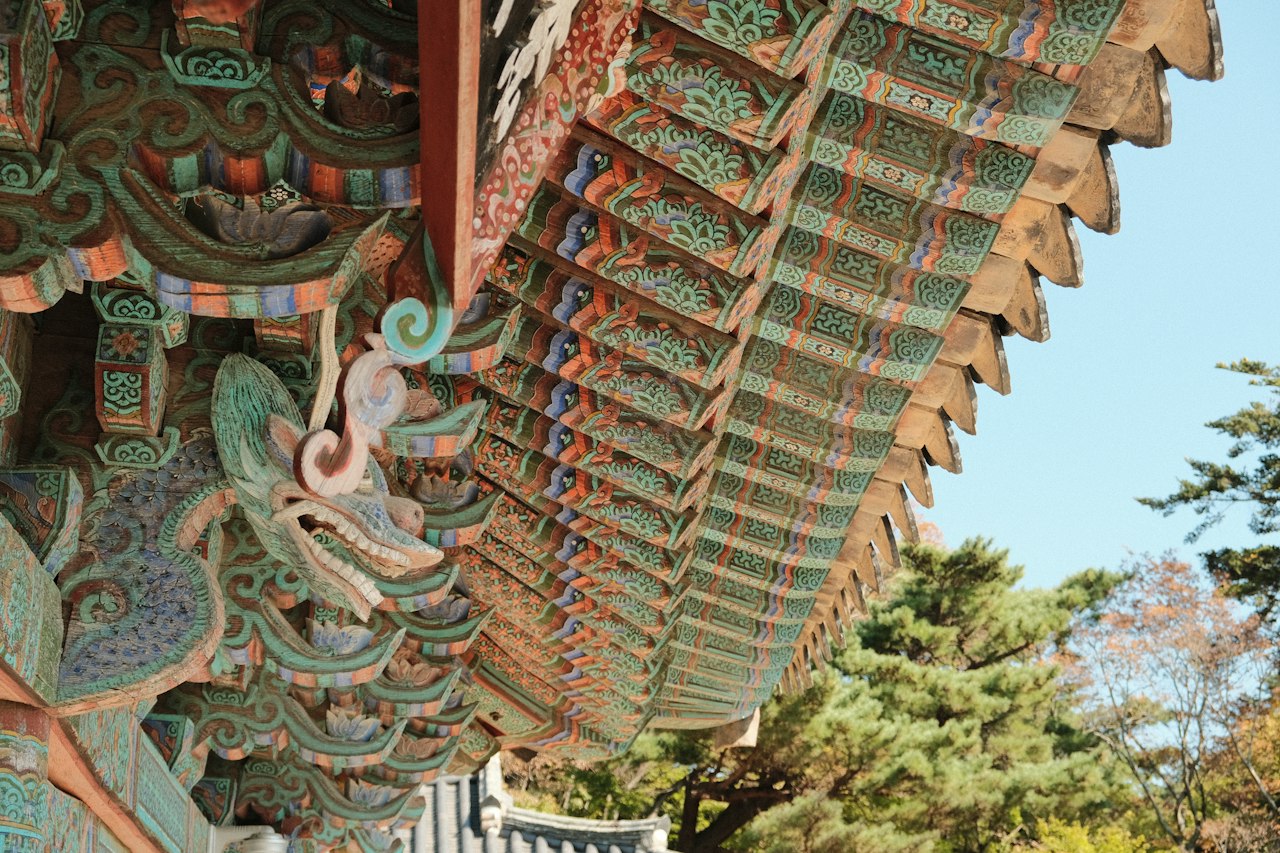
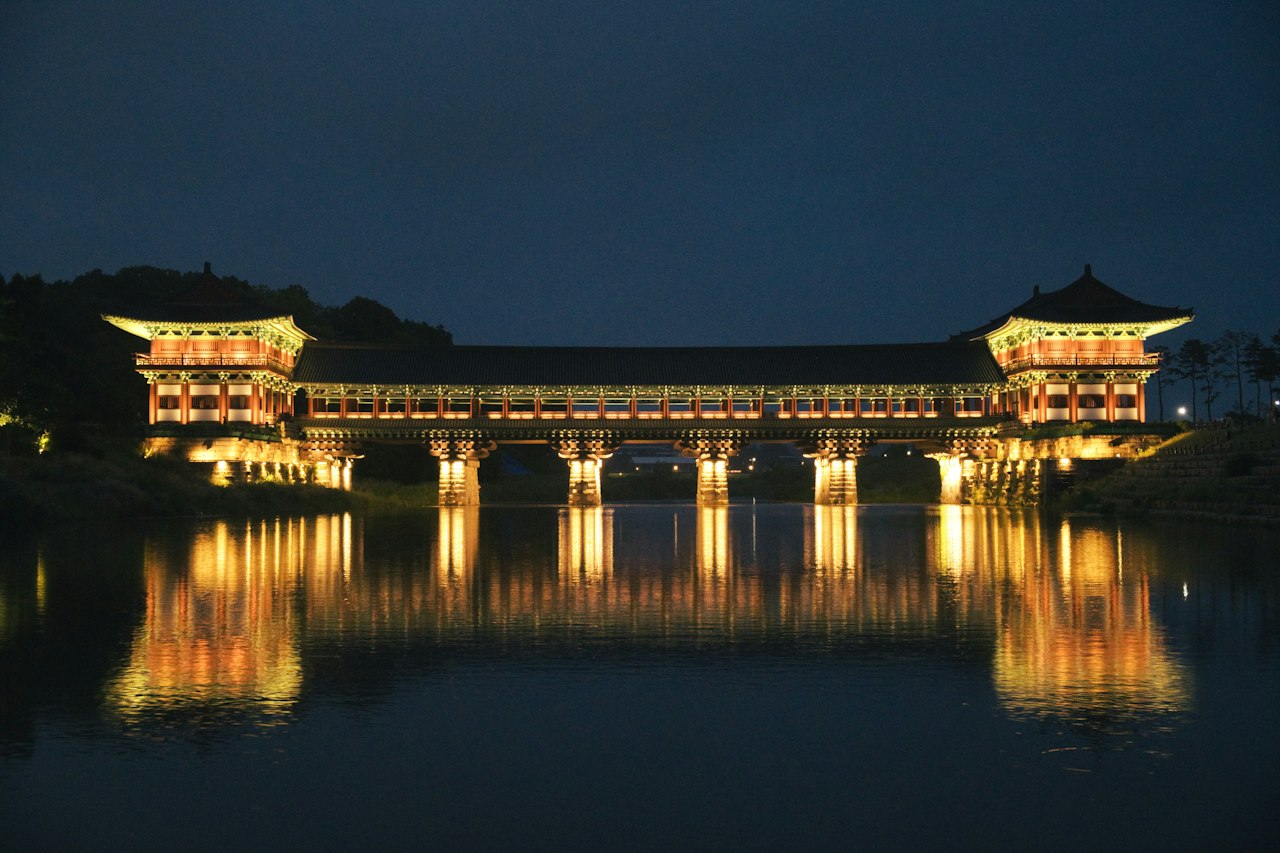
At Donggung Palace and Wolji Pond, the restored pavilions and the pond edge are the main thing to notice, especially the reflections when the light is low. The Gyeongju National Museum holds the context for what comes next, with Silla crowns, gilt-bronze figures, and tomb goods that make the burial mounds less abstract. Cheomseongdae is a short, quiet stop where the simple stone tower and its proportions stand out more than any surrounding display. Daereungwon is most memorable for the rounded grass-covered mounds; inside the park, the Tomb of King Naemul is one of the named royal burials that ties the site to a real ruler rather than an anonymous hill. Poseokjeong feels more fragmentary, but the low stone channel and pond trace the shape of elite leisure in Silla, while Bulguksa and Seokguram shift the route into stone terraces, pagodas, and the seated Buddha in its granite chamber. Gyochon Traditional Village and Woljeonggyo bring the day back into the city, with old lanes, hanok houses, and the bridge’s long wooden span over the stream.
The route
Plan on about 2 days, walking from Donggung Palace and Wolji Pond toward Woljeonggyo.
- Donggung Palace and Wolji Pond in Gyeongju (경주 동궁과 월지)
- Gyeongju National Museum (국립경주박물관)
- Cheomseongdae (첨성대)
- Daeruengwon (대릉원)
- Tomb of King Naemul, Gyeongju (경주 내물왕릉)
- Poseokjeong Pavilion Site (포석정)
- Bulguksa (불국사)
- Seokguram (석굴암)
- Gyeongju Gyochon Traditional Village (경주 교촌마을)
- Woljeonggyo Bridge (월정교)
Paste it into the agent chat in Votura and it will build the map and the audio guide.
Before you go
Starting in the morning works best, because the museum, tomb area, and the south-side temple sites can easily fill a full day once travel time is added. The route mixes easy flat walking in central Gyeongju with much more demanding movement at Bulguksa and especially Seokguram, where there is hillside access and a shuttle connection from the lower area. The busiest places are usually Bulguksa, Seokguram, and the central corridor around Daereungwon and Cheomseongdae; a few spots are atmospheric at dusk, but lighting and operating hours matter. Bring water, sun protection, and good shoes, and expect some stops to involve short waits, steep sections, or limited access rather than long uninterrupted walking.
Silla Capital on Foot: Gyeongju’s Royal Heart and Hidden Stories
This route is a two-day walk through the old center of Gyeongju, threading together the city’s royal sites, museum collections, temple grounds, and modern pedestrian streets. It runs from Cheomseongdae and the museum area through the former palace and tomb districts, then across the historic village lanes and on to Woljeonggyo, Hwangnidan-gil, and Bunhwangsa. The distance is best treated as a full day and a half or two shorter days, because the stops are spread across the downtown plain rather than clustered in one place. What makes it worth the time is how little traveling is needed to move between very different layers of Silla history.
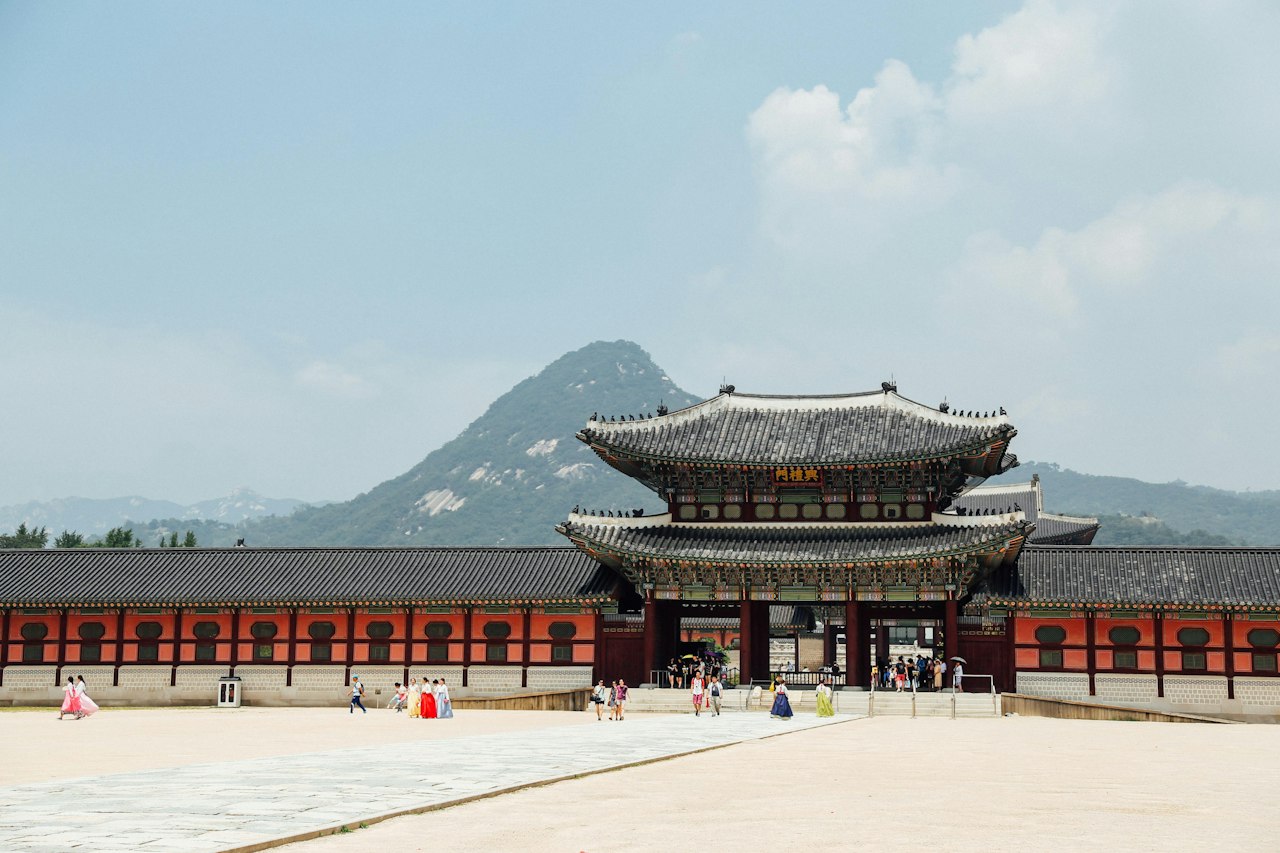
At Cheomseongdae, the stone tower’s simple cylindrical form stands in an open field, and the grass around it makes the old observatory feel isolated in the middle of the city. The Gyeongju National Museum gives the route its context, especially the gold crowns, incense burner, and other royal objects that make the tombs and palaces easier to read. Donggung Palace and Wolji Pond is most striking near the water, where the reconstructed buildings reflect in the pond and the site feels carefully arranged for evening light. Wolseong Palace Site is quieter, with low earthworks and broad open ground that let you sense the scale of the old palace enclosure, while Daereungwon and Cheonmachong turn the landscape back into burial mounds, with the narrow mound entrance at Cheonmachong showing how a tomb can sit inside a park. Tomb of King Naemul, Gyeongju, Gyochon Traditional Village, and Woljeonggyo shift the mood again: the king’s tomb is a more solitary mound, Gyochon has low hanok streets and schoolhouse traces, and Woljeonggyo’s wooden span and painted structure sit over the water in a way that looks especially distinct at dusk. Hwangnidan-gil brings the route into a busy street of cafés and shops, and Bunhwangsa ends it with brickwork and a pagoda that feels older and rougher than the polished park sites before it.
The route
About 2 days, best walked from Cheomseongdae toward Bunhwangsa.
- Cheomseongdae (첨성대)
- Gyeongju National Museum (국립경주박물관)
- Donggung Palace and Wolji Pond in Gyeongju (경주 동궁과 월지)
- Wolseong Palace Site (월성)
- Daeruengwon (대릉원)
- Cheonmachong (천마총)
- Tomb of King Naemul, Gyeongju (경주 내물왕릉)
- Gyeongju Gyochon Traditional Village (경주 교촌마을)
- Woljeonggyo Bridge (월정교)
- Hwangnidan-gil (함양집 황리단길)
- Bunhwangsa (분황사)
Paste it into the agent chat in Votura and it will build the map and the audio guide.
Before you go
Starting in the morning works best, because the museum, palace grounds, and tomb park all take more time than they first appear to. The walking itself is easy to moderate: the route is mostly flat, but the full sequence adds up and the stops encourage a lot of slow wandering. Woljeonggyo, Hwangnidan-gil, and the areas around Donggung Palace and Wolji Pond can be crowded later in the day, while the open sites feel calmer earlier or near sunset. Bring water, a charged phone or camera, and shoes that handle long stretches of pavement, gravel, and park paths.
Whispers of the Silla Court: A 5-Stop Car Tour through Gyeongju's Royal Ruins
This route strings together five places tied to Silla royal life, moving from the center of Gyeongju eastward and then south toward Namsan. It begins at Donggung Palace and Wolji Pond in Gyeongju, continues to the Gyeongju National Museum, then to the Tomb of King Naemul, Gyeongju, Poseokjeong Pavilion Site, and finally Bulguksa. Seen on foot with transit or taxi between some stops, it reads less like a single trail than a day of repeated starts and short walks around major royal sites. It earns the time because the sequence makes the city’s history feel layered rather than isolated: palace, artifacts, tomb, ritual site, temple.
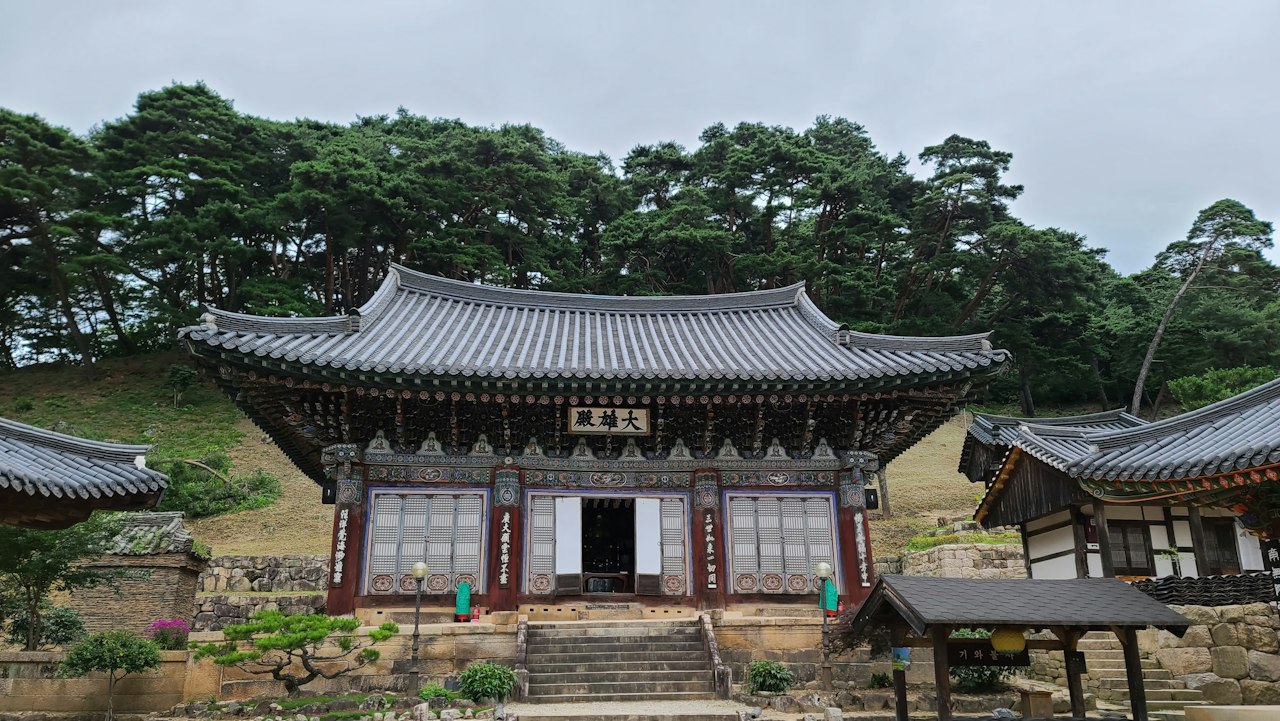
At Donggung Palace and Wolji Pond in Gyeongju, the water and rebuilt pavilions make the old palace grounds easy to picture, especially where the pond edge curves around the small islands and lights reflect at dusk. The Gyeongju National Museum is about objects as much as buildings; the gold crowns, Buddhist sculpture, and roof tiles matter because they connect the earlier ruins to named people and places. At the Tomb of King Naemul, Gyeongju, the interest is in the low grassy mound and the quiet pine setting, with the Royal Tombs trail around it giving a clearer sense of scale than the mound alone. Poseokjeong Pavilion Site is more fragmentary, but the curved stone water channel and the open lawn make the old banquet and ritual setting legible in a way straight ruins do not. Bulguksa closes the route with layered stone terraces, stairways, and pagoda bases that still show how carefully the temple was arranged against the slope.
The route
Allow a full day and walk it from Donggung Palace and Wolji Pond toward Bulguksa, in that order.
- Donggung Palace and Wolji Pond in Gyeongju (경주 동궁과 월지)
- Gyeongju National Museum (국립경주박물관)
- Tomb of King Naemul, Gyeongju (경주 내물왕릉)
- Poseokjeong Pavilion Site (포석정)
- Bulguksa (불국사)
Paste it into the agent chat in Votura and it will build the map and the audio guide.
Before you go
Start early enough that Donggung Palace and Wolji Pond can be seen in daylight and, if desired, again after dark; the light changes the place more than the walk does. The walking itself is moderate rather than difficult, but the full day involves several separate sites and some standing on uneven stone or grass. The busiest stretches are usually the museum and Bulguksa, while the tomb and Poseokjeong feel much quieter; some interior areas may close or limit access without much notice. Bring water, sun protection, and shoes that handle both paved paths and old stone surfaces.
Gyeongju Silla Legends: Temples, Tombs & Royal Reflections
This is a point-to-point walk through central Gyeongju that links Buddhist architecture, royal burial grounds, and the city center in one continuous line. It starts at 다보탑 near Bulguksa, passes 금령총 and the approach by 경주우체국(불국사 방면), and ends at Cheomseongdae (첨성대). The route earns its time because the places are close enough to read as one Silla landscape rather than separate stops, with old stonework, tomb mounds, and open streets changing gradually as you go. It is a long, steady day on foot, but the route feels coherent the whole way.
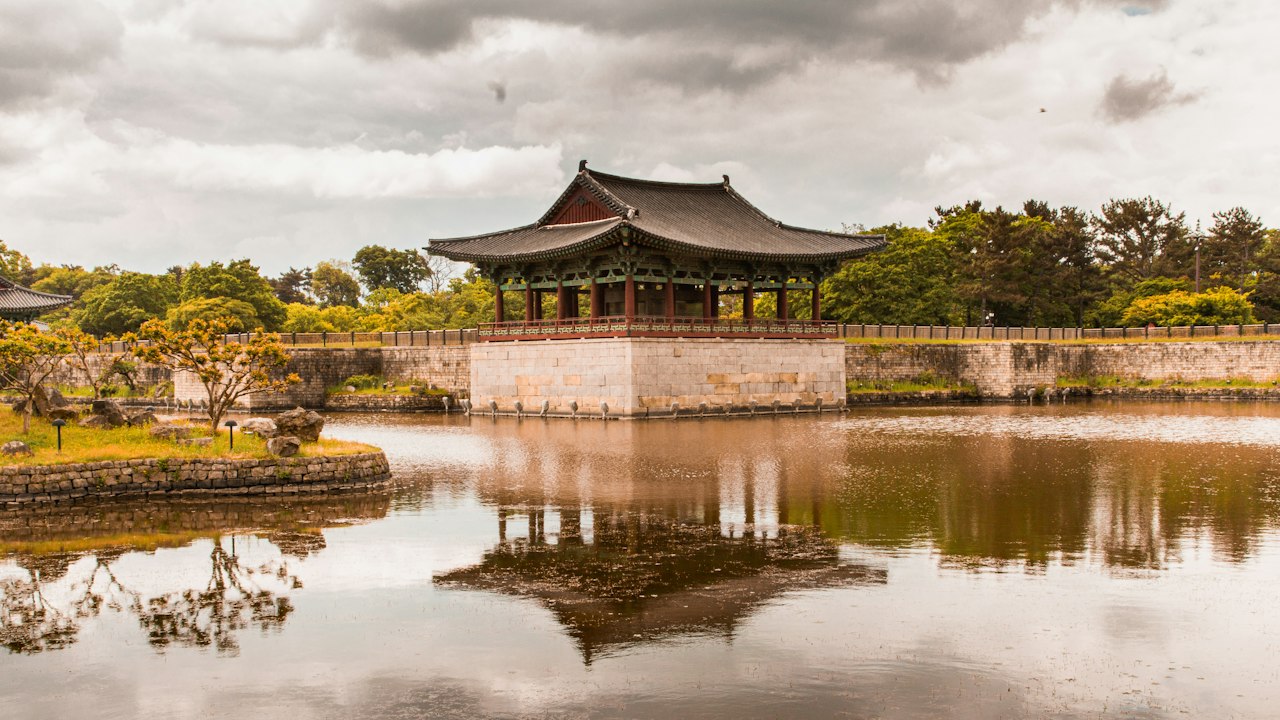
다보탑 is the most immediate landmark at the start, with its layered stone form and the contrast between delicate carving and heavy mass. From there, 금령총 adds a quieter archaeological note; the low mound and surrounding setting matter more than spectacle, especially after the temple stonework. The walk by 경주우체국(불국사 방면) is mostly about movement through the city edge, where the route transitions from the temple area toward the more urban center of Gyeongju. By the time you reach Cheomseongdae (첨성대), the open field around the observatory makes the final approach feel less like arriving at a monument and more like stepping into a broad historic landscape. What stands out there is the contrast between the compact stone tower and the wide, flat ground around it, especially if the light is low.
The route
About five hours on foot; walk from 다보탑 toward Cheomseongdae, ending in the city center.
- 다보탑
- 금령총
- 경주우체국(불국사 방면)
- Cheomseongdae (첨성대)
Paste it into the agent chat in Votura and it will build the map and the audio guide.
Before you go
An early start works best, because the walk is long and the first half is easier before the heat and day-trippers build up around the temple area. The walking itself is moderate rather than strenuous, but it adds up across temple grounds, streets, and the final stretch into the historic core. Bulguksa-area spaces and Cheomseongdae can both be busy, while some interiors or exhibition spaces may have separate hours even when the grounds remain open. Comfortable shoes, water, sun protection, and a small snack are useful, since the route is mostly straightforward but leaves little room to cut corners once you are underway.
Gyeongju’s Silhouette Storywalk: Bulguksu to Wolji’s Twilight
This walk links three of Gyeongju’s best-known historic areas on foot, moving from Bulguksa’s stone pagoda at 다보탑 through the old palace grounds of 반월성 and on to Cheomseongdae (첨성대). It is a long, mostly flat urban-and-park route that passes temple precincts, low streets, and open archaeological space rather than a single continuous trail. The appeal is in how the landscape changes from crowded temple courtyards to quiet grassy ruins and then to the open field around the observatory. It earns the time if you want a day that feels stitched together from several different layers of the city.
At 다보탑, the first thing that stays in memory is the pagoda’s unusually intricate stone structure, with its balanced, almost lace-like silhouette. Bulguksa’s courtyards around it are busy, but the stone steps, lanterns, and temple buildings frame the pagoda well. The walk toward 반월성 shifts into wider, flatter ground, and the old palace area reads more through space than through standing buildings. Around 반월성, the low earthworks and grassy expanse are what matter most, especially the sense of how little remains above ground compared with the scale of the site. Near Cheomseongdae (첨성대), the observatory stands alone in an open lawn, and the clean lines of the stone tower are easiest to read from a little distance. The surrounding park and fields let you notice the tower’s shape against the sky rather than against traffic or dense buildings.
The route
Plan on a long day and walk from Bulguksa toward Cheomseongdae, not the other way around.
- 다보탑
- 반월성
- Cheomseongdae (첨성대)
Paste it into the agent chat in Votura and it will build the map and the audio guide.
Before you go
Starting in the morning works best, because the route is long and the light is better for the temple stonework and the open historic grounds later on. The walking itself is easy in terms of elevation, but the distance adds up, so the day feels full even without any steep sections. Bulguksa can be crowded, especially around midday and on weekends, while the open areas near 반월성 and Cheomseongdae usually feel less compressed. Bring water, comfortable shoes, and some flexibility for time spent crossing streets and pausing inside the larger sites.
How to Start Your Gyeongju Tour with Votura
- Open Votura and tap Explore
- Search for Gyeongju or let the app detect your location
- Browse available tours or tap Generate to create a custom tour
- Hit Play and follow the audio guide stop by stop
All tours include audio narration, a route map, and estimated stop times. Download any tour for offline access before you travel.
Sources
- Gyeongju Historic Areas - UNESCO World Heritage Centrewhc.unesco.org
- Explore Gyeongju's most popular spots - VISITKOREAenglish.visitkorea.or.kr
- Golden City Gyeongju (English portal)gyeongju.go.kr
- Gyeongju National Museumgyeongju.museum.go.kr
Frequently Asked Questions
What are the best self-guided tours in Gyeongju for first-time visitors?
The post highlights a Silla Royal Heritage Drive that links many of Gyeongju’s key landmarks, including Donggung Palace and Wolji Pond, the Gyeongju National Museum, Cheomseongdae, Daereungwon, Bulguksa, and Seokguram. It is a strong option for first-time visitors because it shows how the city’s palace, tomb, and temple sites connect to one another.
How does Votura AI help with self-guided tours in Gyeongju?
Votura AI generates audio tours based on the traveler’s available time, transport preference, and chosen theme. The post says it can create routes that feel personalized and easy to follow, such as a short walking route, a bus-friendly history tour, or a royal heritage itinerary.
Where should I go to see Gyeongju’s Silla royal heritage?
The post recommends visiting Donggung Palace and Wolji Pond, the Gyeongju National Museum, Cheomseongdae, Daereungwon, the Tomb of King Naemul, Poseokjeong, Bulguksa, Seokguram, Gyochon Village, and Woljeonggyo. These sites together cover royal foundations, burial mounds, temple architecture, and waterworks from the Silla era.
How long should a self-guided tour in Gyeongju be?
The article says Votura AI can match tours to the traveler’s available time, which means routes can be short or more extensive depending on your schedule. It gives examples of a short walking route through central Gyeongju and a longer heritage drive that covers multiple districts.
Why is Gyeongju good for self-guided travel?
Gyeongju is described as ideal for self-guided exploration because its ancient Silla history is spread across temples, royal tombs, observatories, and quiet neighborhoods. Since many landmarks are clustered across different districts, an audio tour helps travelers move at their own pace while understanding the stories behind each site.
Hear this city out loud
Votura turns the places in this guide into a self-guided audio tour you can follow at your own pace.