A Weekend in San Sebastián: Self-Guided Audio Tour Itinerary
Got a weekend in San Sebastián? Votura's self-guided audio tours help you see more, stress less, and explore like a local.

A weekend in San Sebastián is all about making smart choices: tracing the old town on foot, lingering along La Concha, and saving time for a few unforgettable pintxos stops rather than trying to do everything. With just two days, a self-guided audio tour helps you move at an easy pace while still covering the city’s biggest highlights, from the Parte Vieja to the seafront viewpoints.
Your San Sebastián Weekend, Planned
This itinerary is designed for travellers who want the best of San Sebastián without feeling rushed, using short, well-timed stops that fit neatly between coffee breaks, meals, and coastal strolls. Votura AI generates audio tours matched to the traveller’s available time, transport preference, and chosen theme, so a quick weekend can feel focused, flexible, and fully tailored.
Tides, Harbors & Fishermen’s Heritage: A 2-Day San Sebastián Coastal Walk
This walk traces San Sebastián’s waterfront from the working edge of Donostiako Portua through the old town and out toward the city beaches and western headland. It follows the shoreline in sections, with short urban stretches linking harbors, museums, promenades, and open sea views. The route makes sense as a coastal story: fishing, trade, bathing culture, and the modern city all sit close together here. It earns the time because the scenery changes quickly without ever leaving the water.
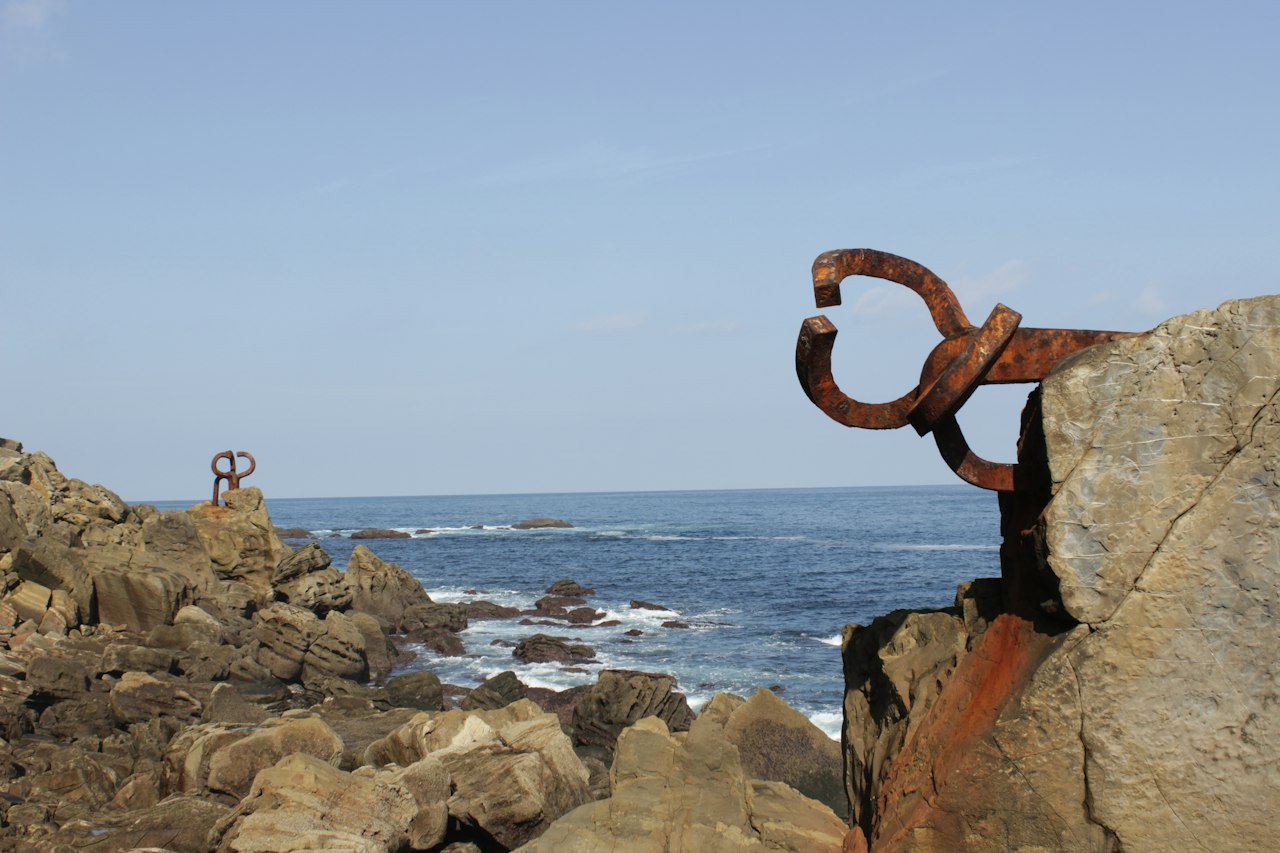
At Donostiako Portua, the boats, masts, and working quays set the tone before the route reaches Aquarium, where the harbor-facing building and its setting at the mouth of the bay are the first clear signs of the city’s maritime life. Paseo Nuevo / Berria is all about the stone wall, the spray on rough days, and the sweep back toward the harbor and out to sea. San Telmo Museoa brings the walk into the old town; the building’s stone façade and its position below Urgull connect the route to Basque history, not just the coast. At Zurriola Beach, the view opens to surfers, the long line of sand, and the bridge crossing toward Gros, while La Concha Beach shifts the mood again with its curved bay, railings, and the steady line of the promenade. Miramar Jauregia partzuergoa gives a formal pause above the water, with gardens and terraces looking across the bay, and Peine del Viento ends the route at the wind-beaten sculpture, where the rocks and sea are the whole point.
The route
Best walked from Donostiako Portua to Peine del Viento over a long day, following the coast westward.
- Donostiako Portua
- Aquarium
- Paseo Nuevo / Berria
- San Telmo Museoa
- Zurriola Beach (Playa de La Zurriola)
- La Concha Beach (Playa de La Concha)
- Miramar Jauregia partzuergoa
- Peine del Viento
Paste it into the agent chat in Votura and it will build the map and the audio guide.
Before you go
Starting early helps, especially for the sections near Paseo Nuevo / Berria and La Concha, which can feel crowded later in the day and are best seen before the promenades fill up. The walk is mostly easy on pavement and boardwalks, with a few longer stretches and some exposed coastal sections where wind and spray are common. San Telmo Museoa, Aquarium, and parts of the route can be busier than the open shoreline, and museum or attraction opening days should be checked separately if you plan to go inside. Bring water, a light layer for wind, and shoes that can handle uneven stone and damp paving.
San Sebastián Food Festival Footsteps: Markets, Pintxos & Stories
This route is a long walk through San Sebastián’s food culture, moving from the museum edge of the old town into market halls, pintxos bars, and finally the culinary school on the city’s western side. It threads San Telmo Museoa, Bar Nestor, Txepetxa, Casa Urola, Parte Vieja, Gandarias, Monte Urgull, Mercado de la Bretxa, La Bodega Donostiarra, Mercado San Martín, and the Basque Culinary Center in that order. The pace is shaped by stops rather than distance, and it works because each place adds a different layer: history, daily shopping, casual eating, and then the city’s more formal food conversation. By the end, the route feels less like a tasting crawl and more like reading San Sebastián through its tables and streets.
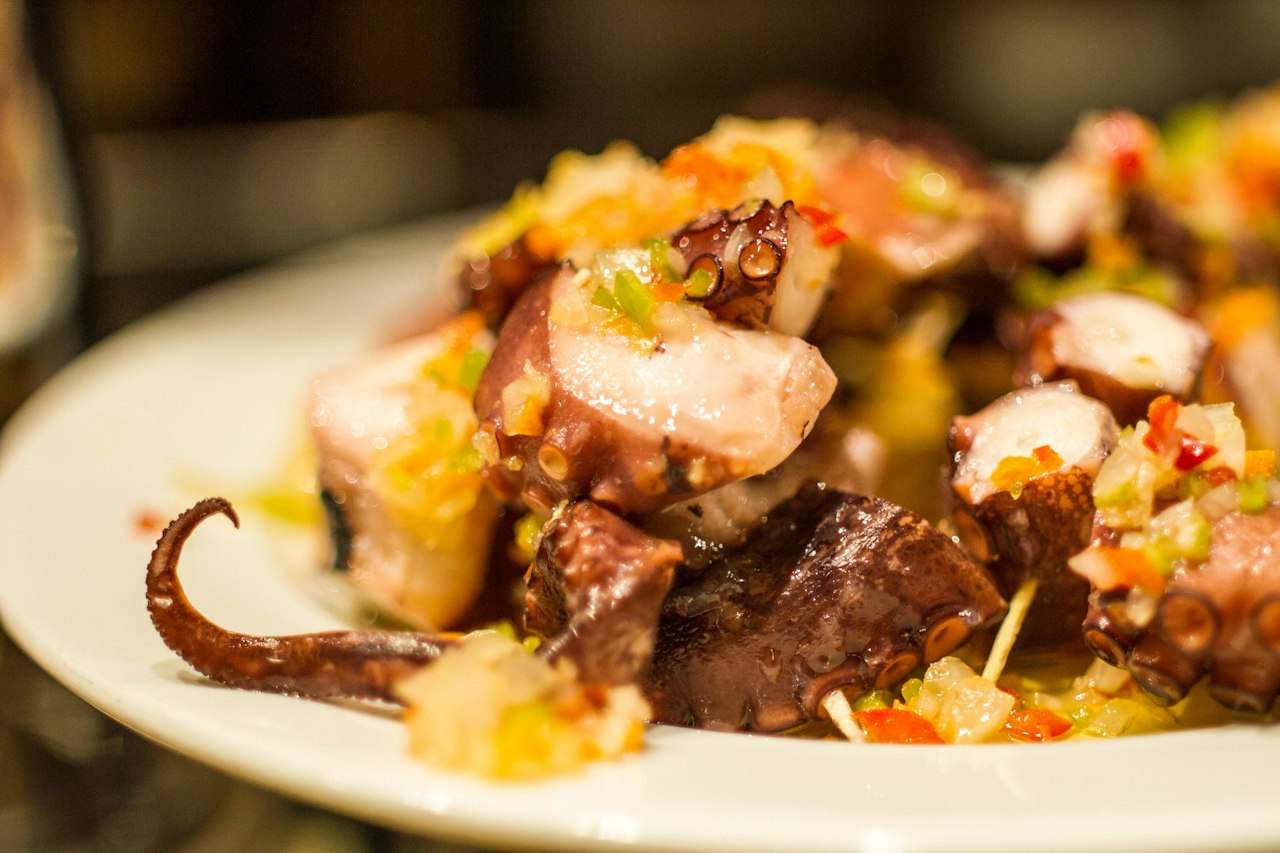
San Telmo Museoa sets the tone immediately, with the old convent walls anchoring the start at the foot of Monte Urgull. Bar Nestor is all about its compact, often crowded front room and the sense that people come for the same small set of dishes rather than a large menu. At Txepetxa, the detail to notice is the concentrated bar top and the anchovy specialties that make the place feel finely tuned rather than broad. Casa Urola and then Gandarias both sit in the heartbeat of the Parte Vieja, where the narrow streets fill with pintxos boards, stacked glasses, and quick exchanges at the counter. Monte Urgull changes the tempo completely, with the climb opening out to stone paths, fortifications, and views back over the bay and roofs. Mercado de la Bretxa and later Mercado San Martín show the city in shopping mode, while La Bodega Donostiarra bridges the market atmosphere and the bar counter before the route ends at the Basque Culinary Center, where the focus shifts from eating to learning and experimentation.
The route
Allow a long day; walk it from San Telmo Museoa toward the Basque Culinary Center.
- San Telmo Museoa
- Bar Nestor
- Txepetxa
- Casa Urola
- Parte Vieja
- Gandarias
- Monte Urgull
- Mercado de la Bretxa
- La Bodega Donostiarra
- Mercado San Martín
- Basque Culinary Center
Paste it into the agent chat in Votura and it will build the map and the audio guide.
Before you go
Starting in the morning helps because several of the food stops are busiest later in the day, and the route also works better before the old town crowds settle in. The walking itself is moderate, but it adds up: there are short urban stretches, standing time in bars, and one steeper section up Monte Urgull. Some places along the way may close between lunch and dinner or be limited to specific service times, so timing affects what is actually open when you arrive. A bottle of water, comfortable shoes, and room for a slow pace matter more than anything else, since this is as much about lingering as moving.
Taste & Tales of San Sebastián: A 2-Day Food Festival Walk
This route links the food core of San Sebastián with a short stretch into the old town and down toward the rail station side of the city. It begins at Mercado de la Bretxa and ends at Tabakalera, passing through pintxos bars, a museum, and a few streets where the city’s daily life still sets the pace. It earns its time because the walk is short enough to keep the focus on stopping, eating, and noticing how closely food, history, and the street plan sit together here. By the end, the route has moved from market counters to late-day bars and then into a more contemporary cultural building.
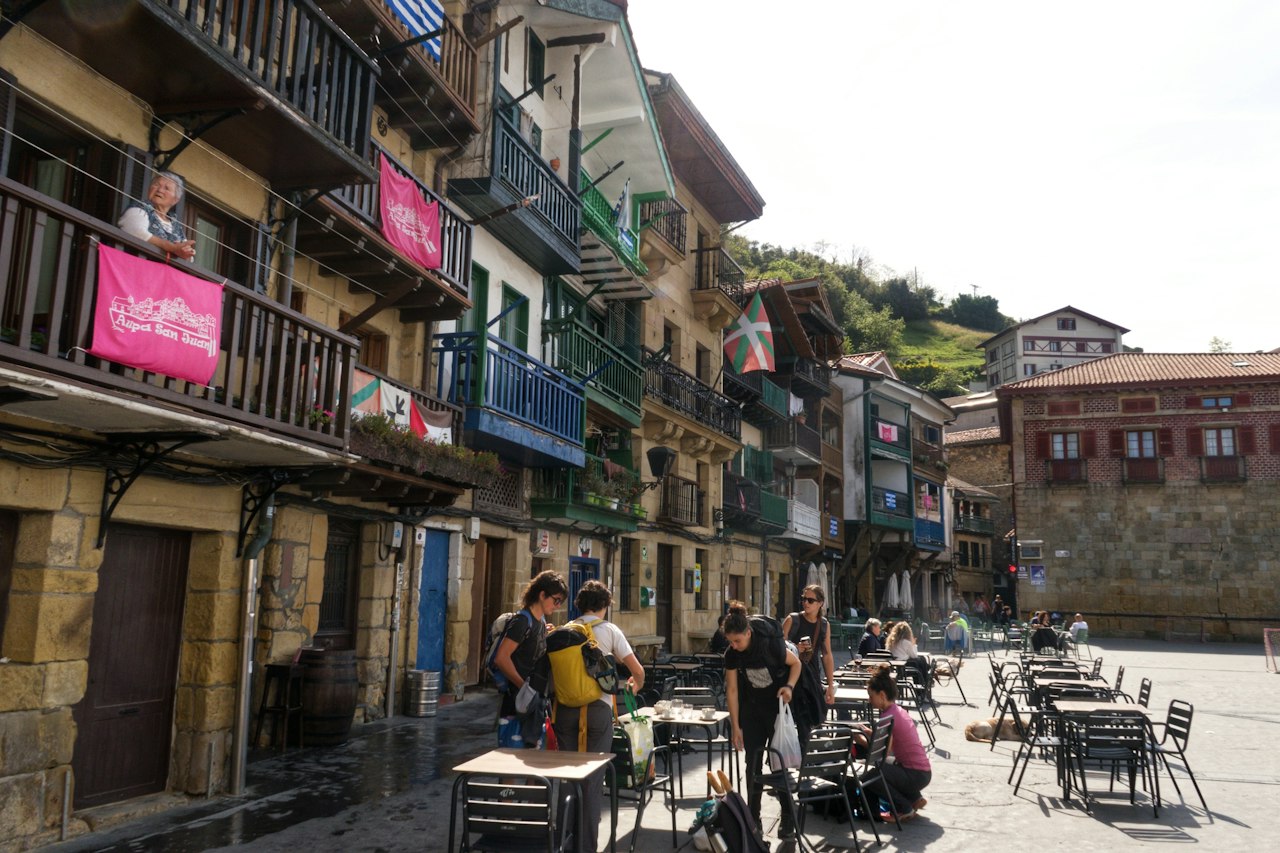
Mercado de la Bretxa is the starting point, and the thing to notice is the market’s working rhythm rather than just its stalls: people coming and going early, and the sense that this area still feeds the city. At Bodegón Alejandro, the old-town setting matters as much as the plate, with a more formal dining room feel tucked into narrow streets. Goiz Argi and Bar Nestor are both about the counter and the queue, and what stands out is how compact the spaces are compared with the amount of attention they get. La Viña is worth a pause for its busy front room and the easy drift of people in and out of the doorway. San Telmo Museoa changes the tone completely, with the hillside facade and cloister spaces giving the walk a quieter pause before the route turns back toward food at Gandarias and then the darker, more playful room at A Fuego Negro. Dry San Sebastian and Tabakalera finish the walk in a more modern register, with the contrast between a drinks-focused stop and the large former industrial building at Tabakalera being the main thing to notice.
The route
About a long day on foot, best walked from Mercado de la Bretxa toward Tabakalera.
- Mercado de la Bretxa
- Bodegón Alejandro
- Goiz Argi
- Bar Nestor
- La Viña
- San Telmo Museoa
- Gandarias
- A Fuego Negro
- Dry San Sebastian
- Tabakalera
Paste it into the agent chat in Votura and it will build the map and the audio guide.
Before you go
Starting in the morning works best because the market feels most active then and the later bars can be crowded at lunch and early evening. The walking itself is easy rather than long, with short connections and most of the effort coming from standing at busy counters. Some of the food stops are much busier at peak meal times, and the museum and Tabakalera fit better if they are not left until late in the day. A small bag, comfortable shoes, and some flexibility for queues make the route smoother.
Tides & Traditions: Sea Fishermen Festival Walk Through San Sebastián
This is a two-day walk through San Sebastián that ties together the riverfront, the old town edge, the fishing and festival traditions around the port, and the long stretch of coast east and west of the center. It starts by the Urumea at Puente de María Cristina, crosses into the commercial and old-market streets around GU San Sebastián and Bretxa Plaza, then climbs into the history around San Telmo Museoa and Monte Urgull. The second day shifts to the surf side at Zurriola, then follows the shoreline west past Peine del Viento to Monte Igueldo before ending across the bay at Pasaia. It earns the time because the walk keeps changing character without leaving the city’s maritime story behind.
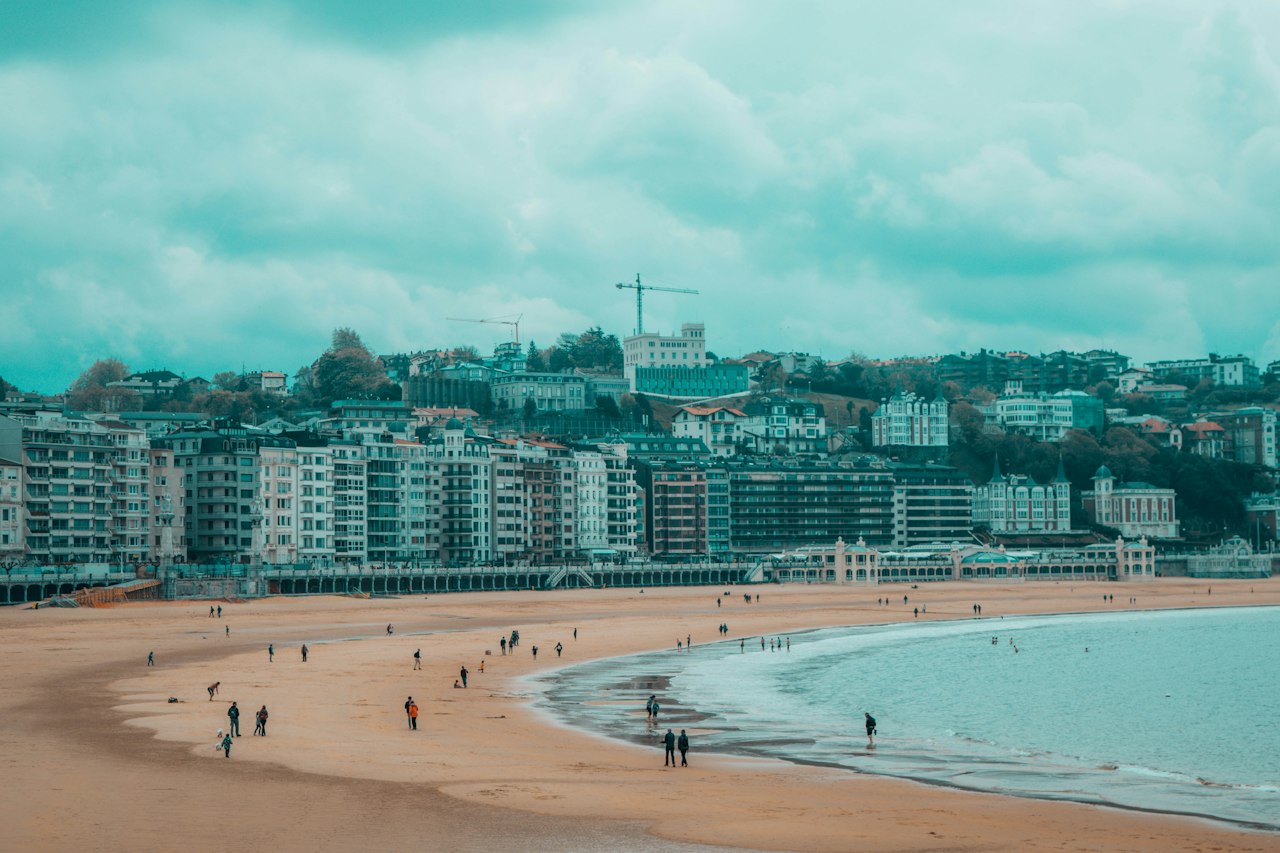
At Puente de María Cristina, the river, the stonework, and the view back toward the center set up the walk’s waterline theme. GU San Sebastián and Bretxa Plaza are where the route feels most lived-in, with market traffic, café tables, and the everyday pace of the city around the old quarter. San Telmo Museoa sits against the slope of Monte Urgull, and the building’s plain facade and cloistered spaces contrast with the steep climb that follows. Corazon De Jesus Del Monte Urgull appears above the city as a white figure that can be seen from far below, and Castillo de la Mota gives the clearest sense of the old defensive landscape, with walls, cannon positions, and long views over the bay. Zurriola Beach changes the mood sharply: the wide sand, the surf, and the bridge-lined edge of the Gros side feel more open than the old town. Peine del Viento and Monte Igueldo finish the coastal section with wind, iron sculpture, cliffside paths, and a broad look back over La Concha before the route turns toward Pasaia Musika Eskola, where the harbor setting and neighborhood scale bring it back to a quieter human note.
The route
About 2 days, best walked from the city center toward the coast and on to Pasaia.
- Puente de María Cristina
- GU San Sebastián
- Bretxa Plaza
- San Telmo Museoa
- Corazon De Jesus Del Monte Urgull
- Castillo de la Mota
- Zurriola Beach (Playa de La Zurriola)
- Peine del Viento
- Monte Igueldo
- Pasaia Musika Eskola
Paste it into the agent chat in Votura and it will build the map and the audio guide.
Before you go
The best start is early, especially for the first day, so the climb into Urgull and the seafront sections happen before the crowds build and before the sun gets strong. The walking is moderate to strenuous because of the hills on and around Urgull and Monte Igueldo, plus the distance between the western coast and Pasaia. The busiest and slowest parts are usually around Bretxa Plaza, the old town edges, Zurriola Beach, and the promenade by Peine del Viento, while some museum or fortress interiors may have separate closing times. Good shoes, water, and a layer for wind matter more than anything else, since the coast and the hilltops can feel much cooler than the streets below.
How to Start Your San Sebastián Tour with Votura
- Open Votura and tap Explore
- Search for San Sebastián or let the app detect your location
- Browse available tours or tap Generate to create a custom tour
- Hit Play and follow the audio guide stop by stop
All tours include audio narration, a route map, and estimated stop times. Download any tour for offline access before you travel.
Sources
- San Sebastián Turismo — official tourism homepagesansebastianturismoa.eus
- Donostia.eus — Concha Promenadedonostia.eus
Frequently Asked Questions
What is the best way to see San Sebastián in a weekend?
The post recommends focusing on a few smart choices rather than trying to do everything. A self-guided audio tour lets you move at an easy pace while still covering the old town, La Concha, and key coastal highlights.
Where does the San Sebastián coastal walk start and end?
The walk begins at Donostiako Portua, the working harbor area. It ends at Peine del Viento, the wind-beaten sculpture at the edge of the coast.
How long does this San Sebastián itinerary take?
It is designed as a 2-day weekend itinerary. The route is structured with short, well-timed stops so it fits between coffee breaks, meals, and coastal strolls.
What places are included in the self-guided audio tour?
The route includes Donostiako Portua, Aquarium, Paseo Nuevo / Berria, San Telmo Museoa, Zurriola Beach, La Concha Beach, Miramar Jauregia partzuergoa, and Peine del Viento. Together, these stops trace the city’s waterfront, old town, and major seaside viewpoints.
Why does the post suggest starting early?
Starting early helps, especially for the sections near the coast. The article says it helps you make the most of the route without feeling rushed.
Hear this city out loud
Votura turns the places in this guide into a self-guided audio tour you can follow at your own pace.